
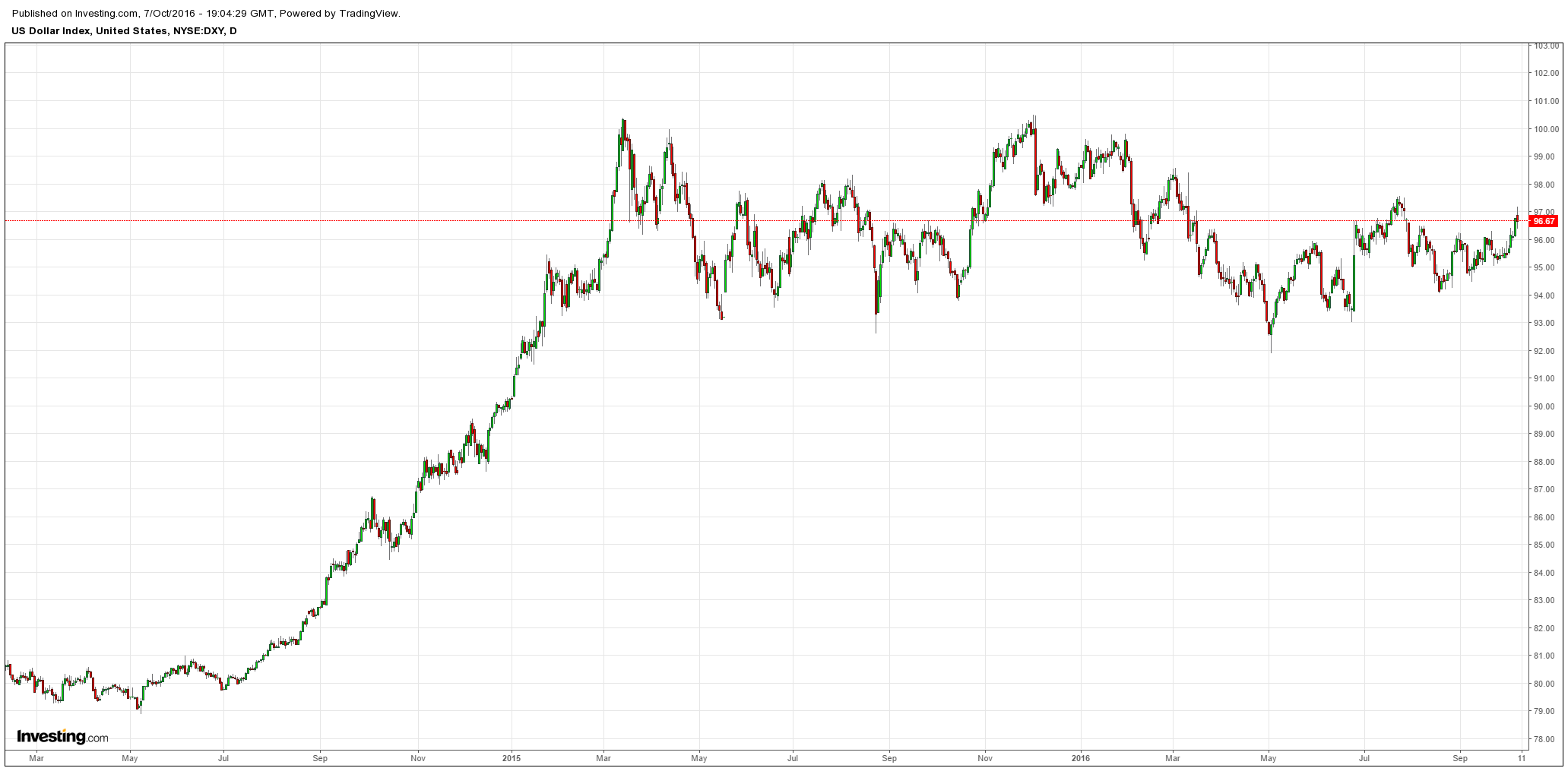
So, Friday night US jobs missed expectations. The US dollar fell back:
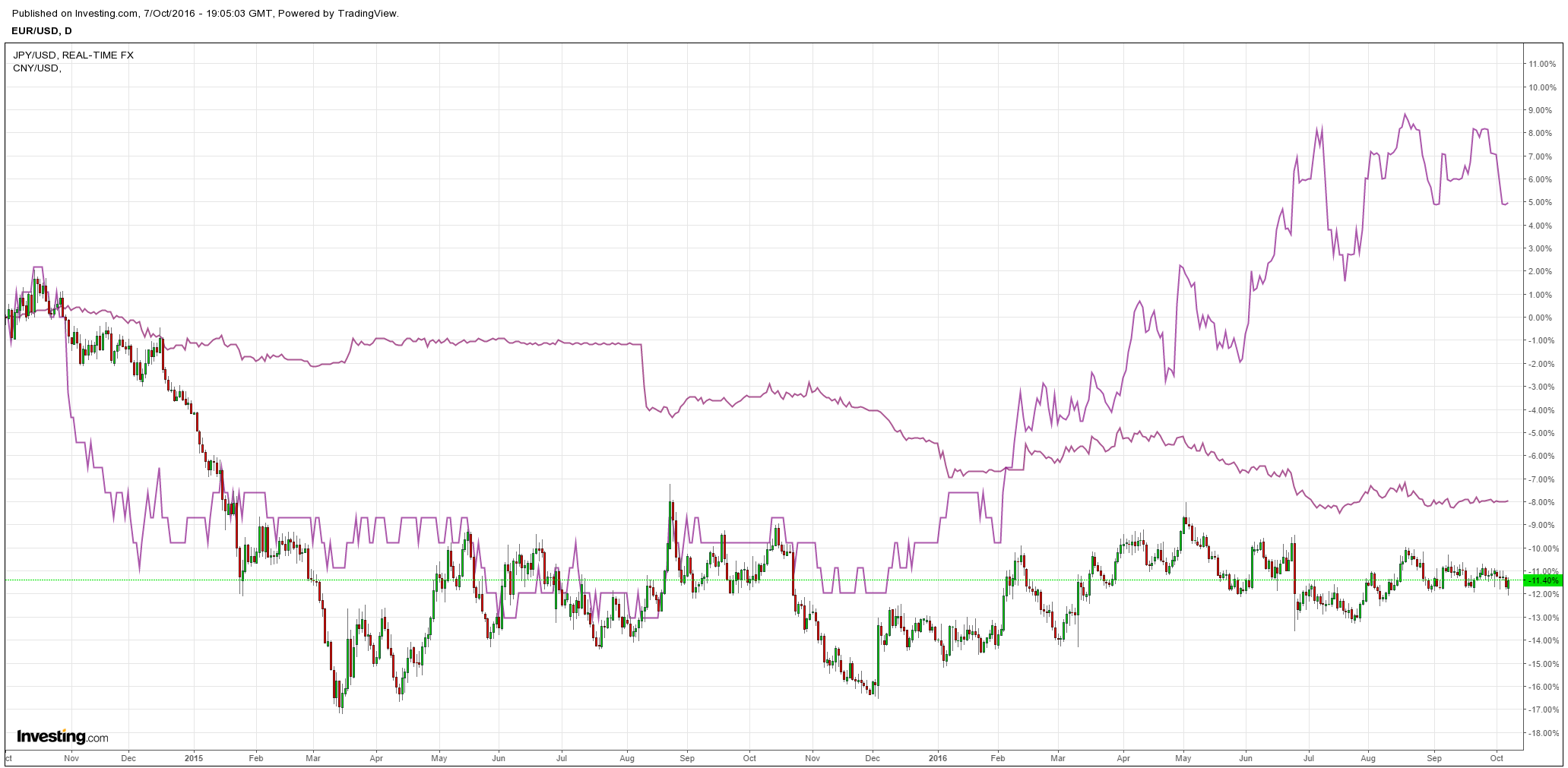
Other majors bounced a little:
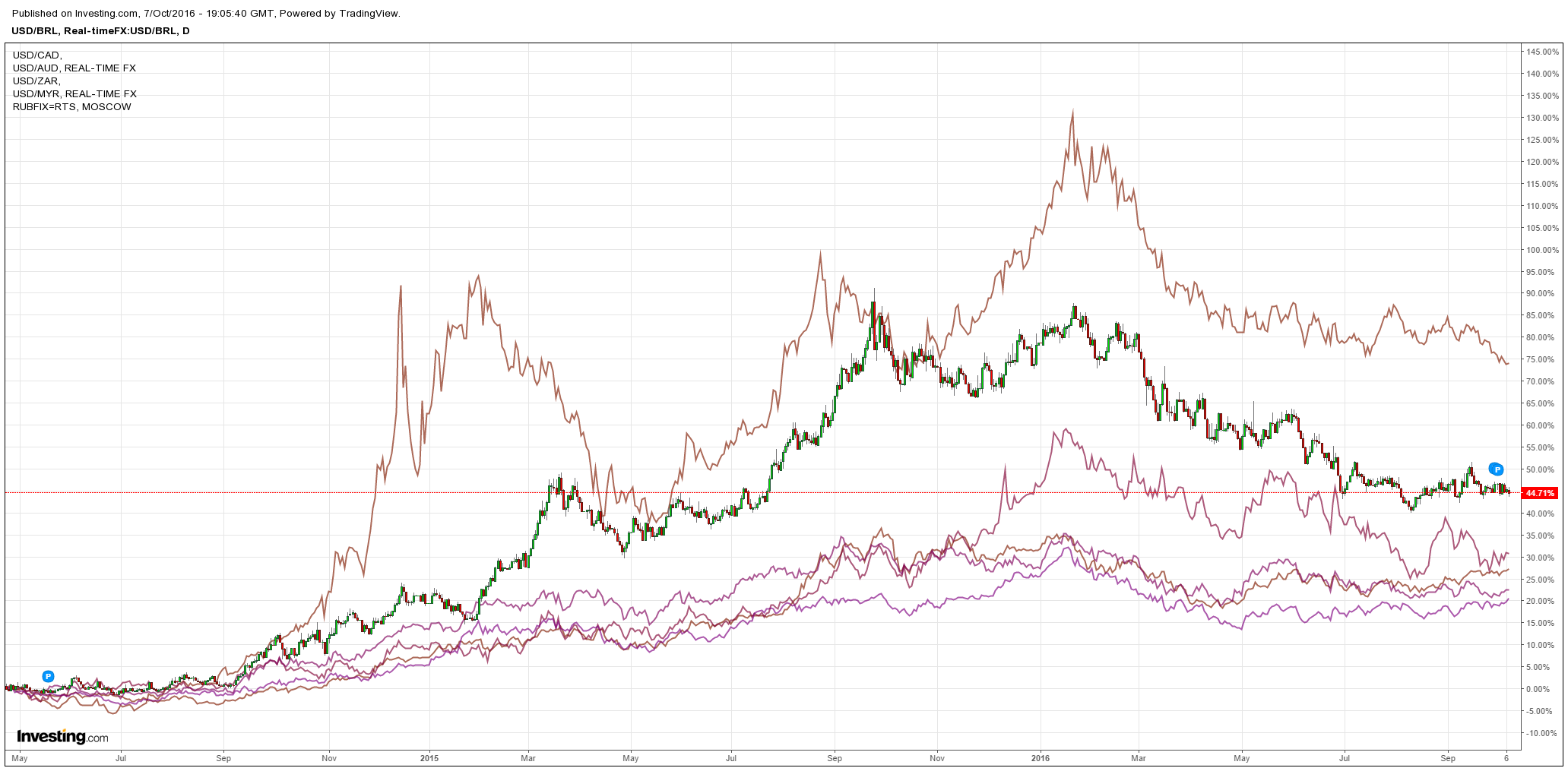
Commodity currencies were mostly weak anyway:
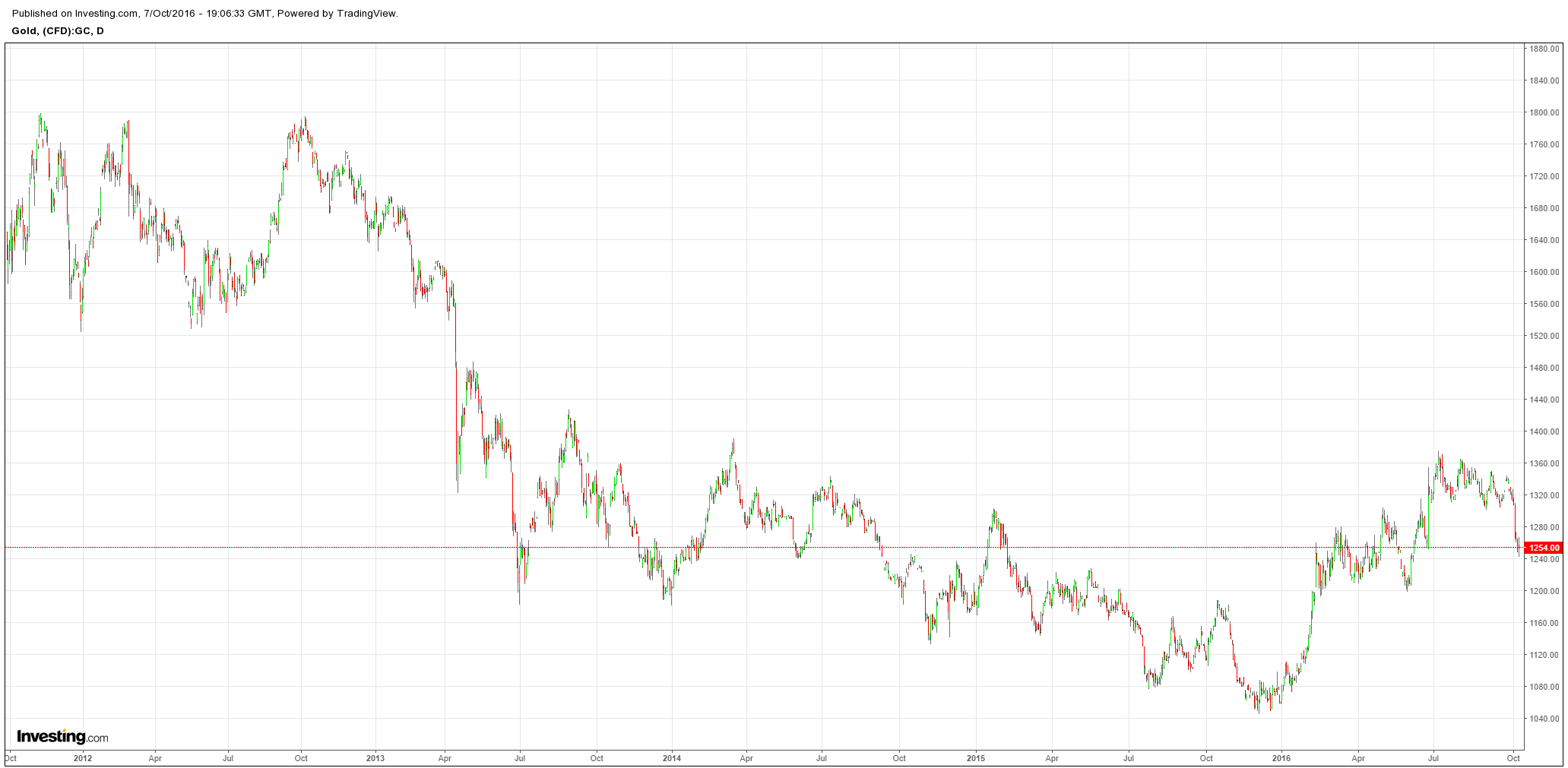
Gold firmed:
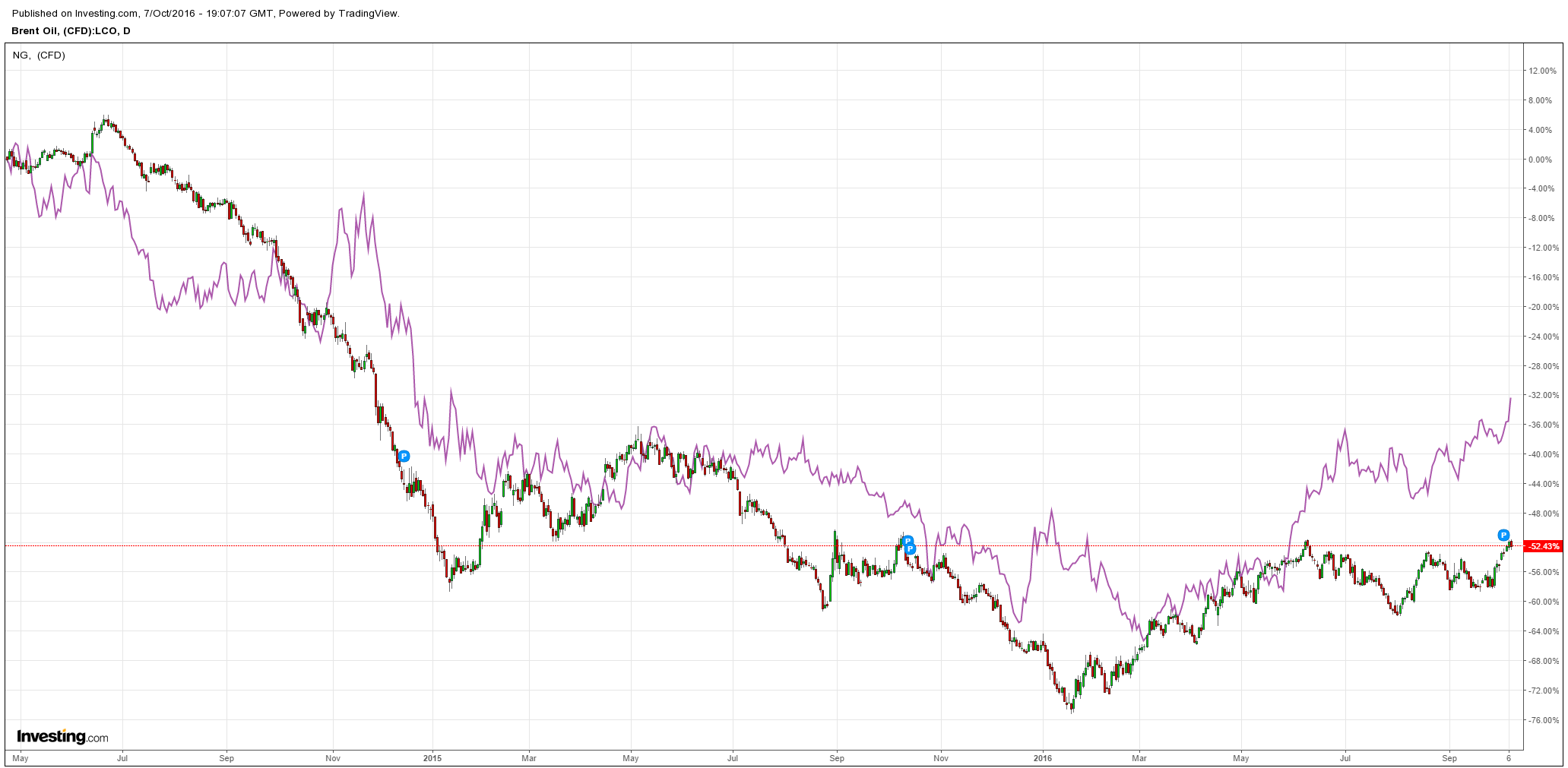
Brent dumped but gas is flying:
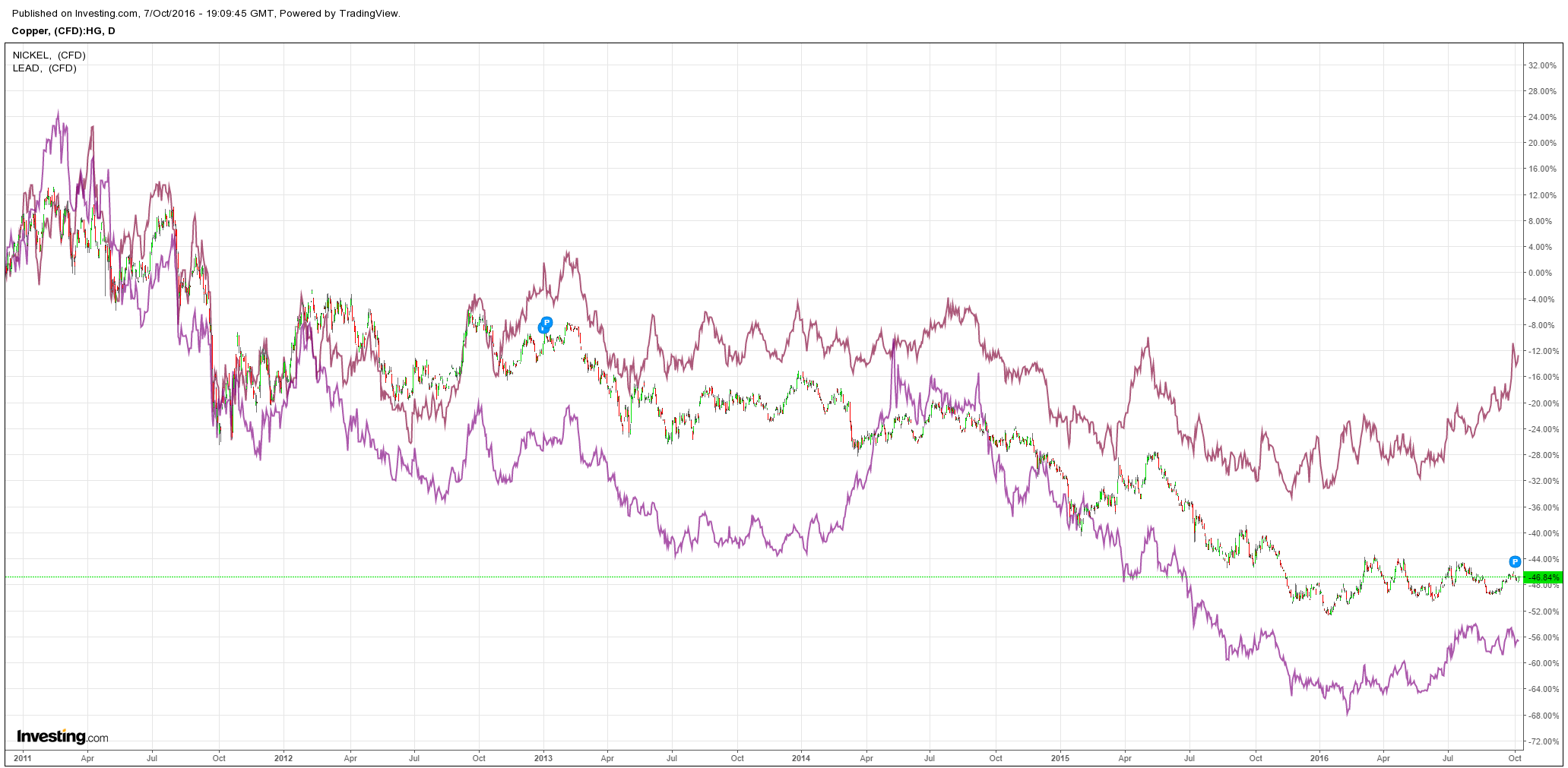
Base metals firmed:
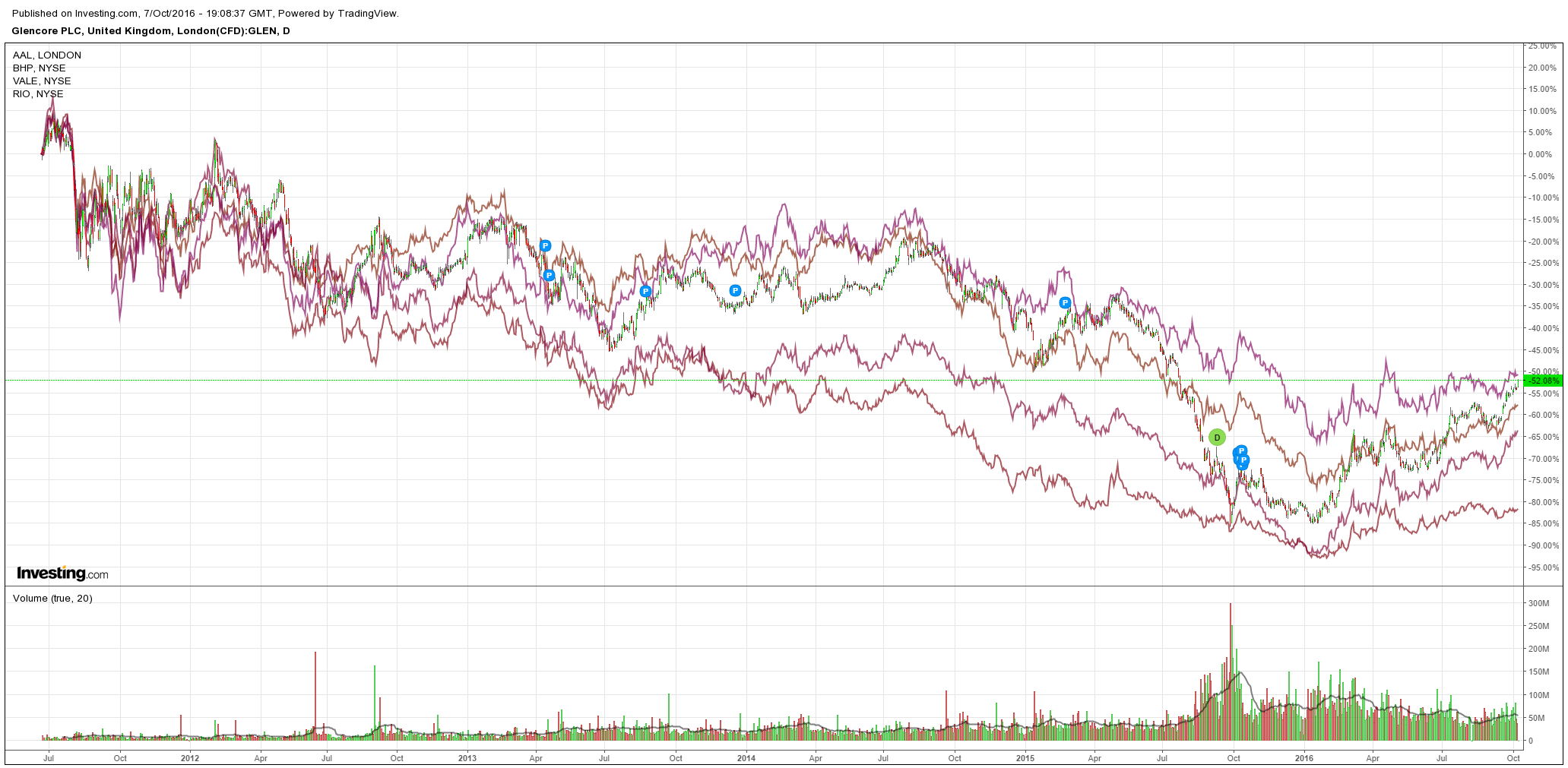
Big miners too:
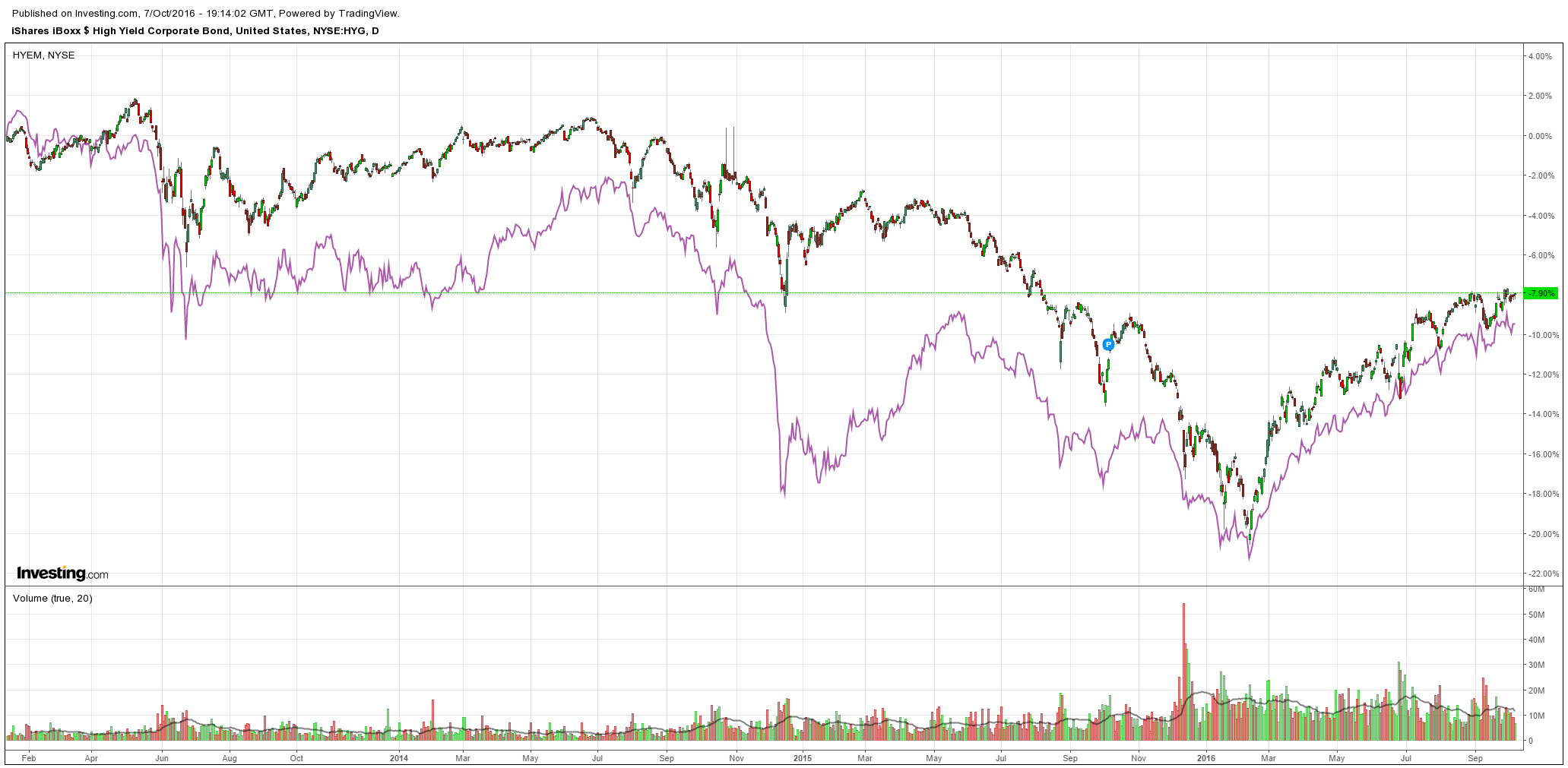
US and EM high yield remains stalled:
US bonds caught a bid:
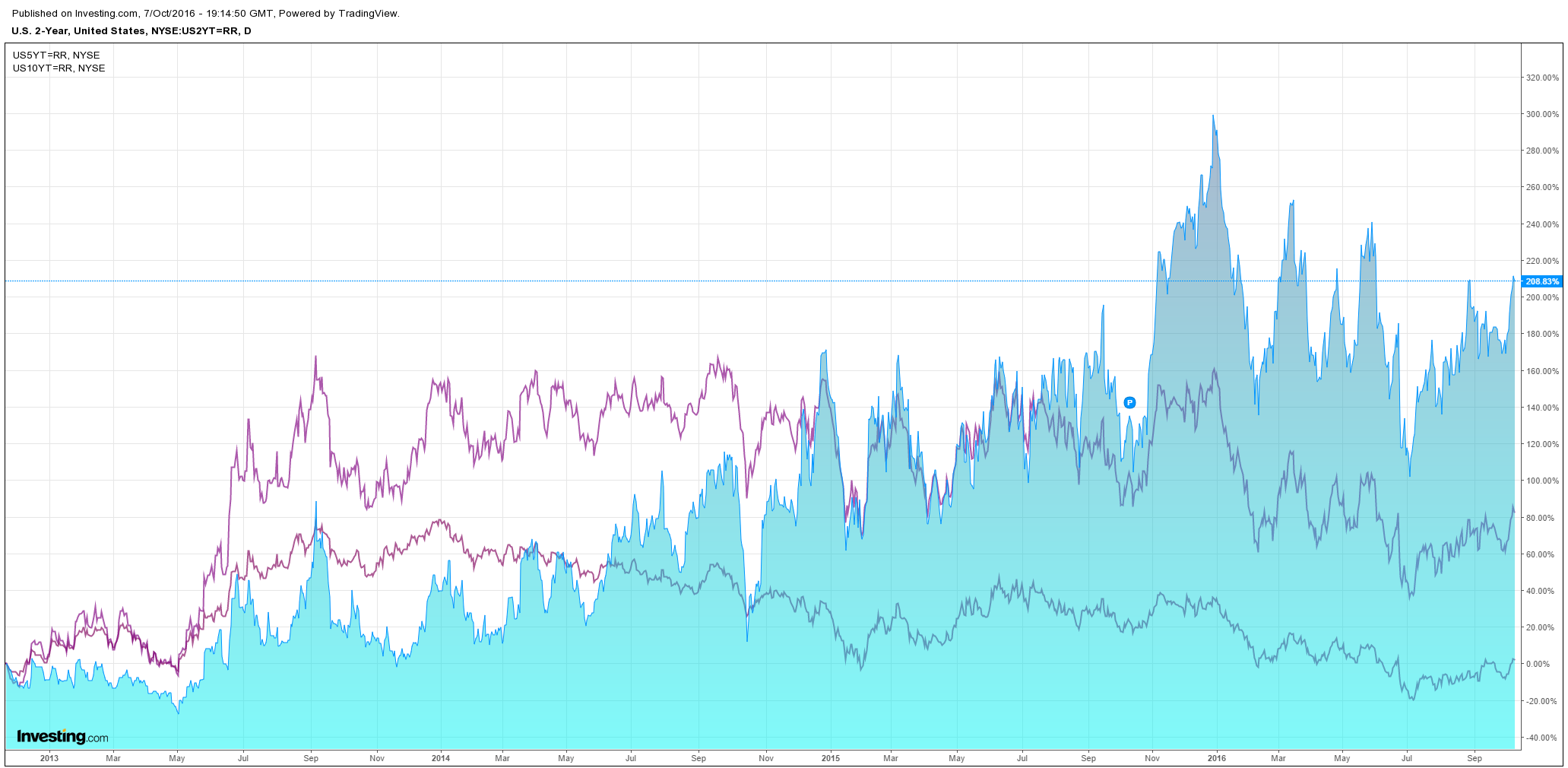
And stocks fell some:
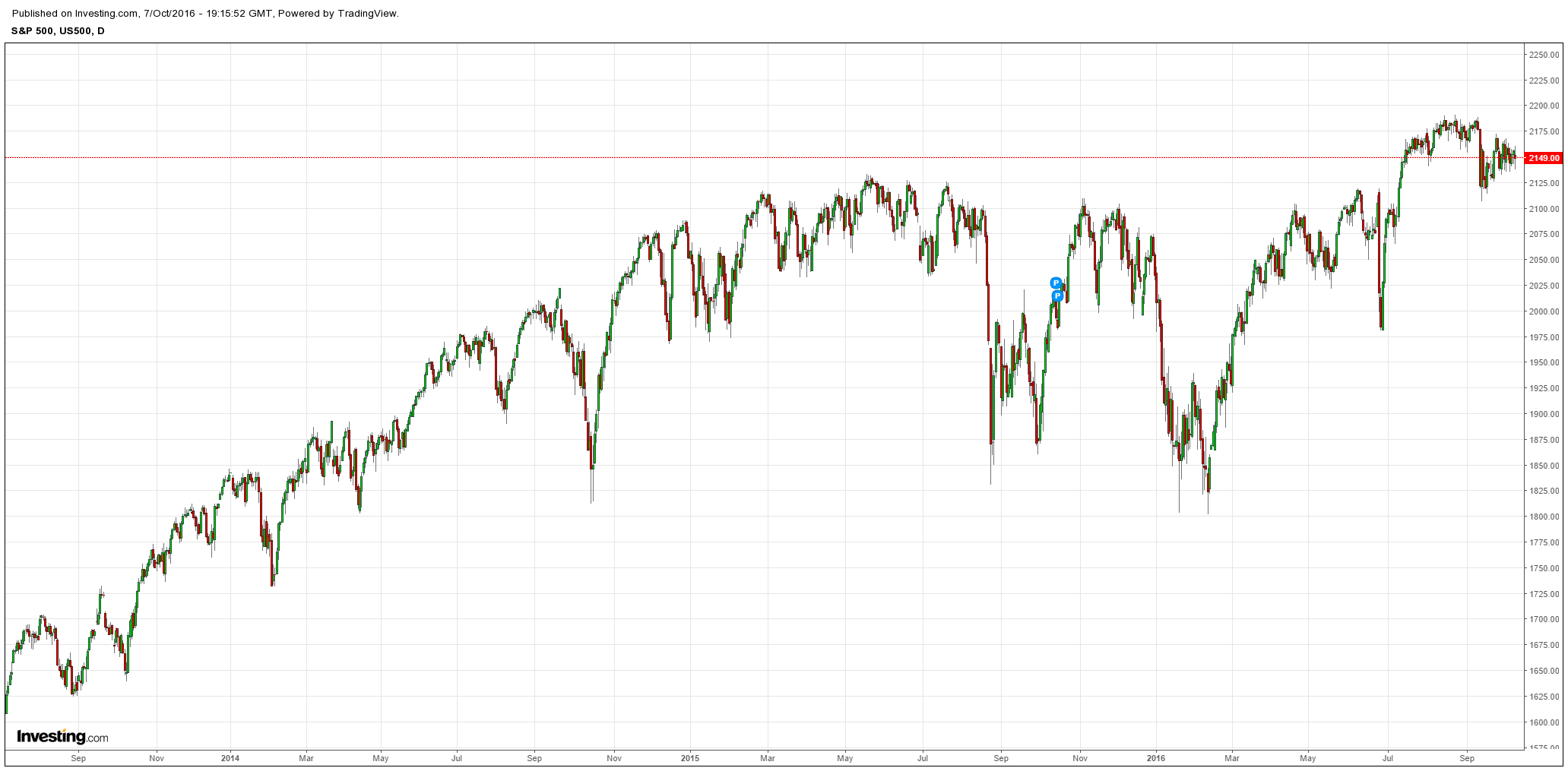
An interesting mix given US jobs disappointed, from the BLS:
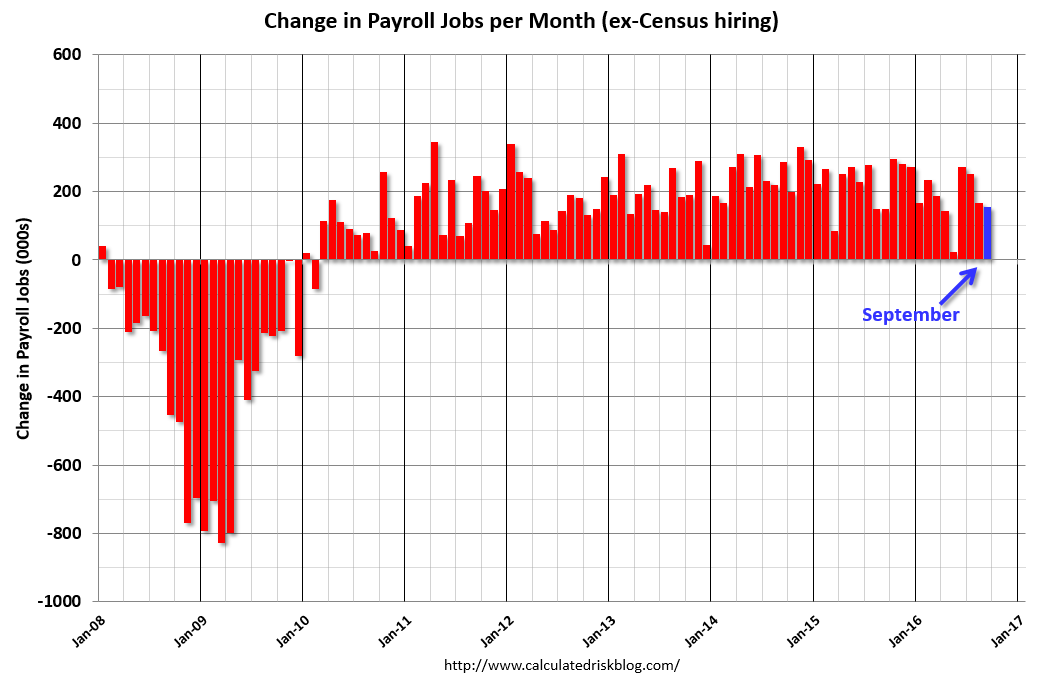
Total nonfarm payroll employment increased by 156,000 in September, and the unemployment rate was little changed at 5.0 percent, the U.S. Bureau of Labor Statistics reported today. Employment gains occurred in professional and business services and in health care.
… The change in total nonfarm payroll employment for July was revised down from +275,000 to +252,000, and the change for August was revised up from +151,000 to +167,000. With these revisions, employment gains in July and August combined were 7,000 less than previously reported. Over the past 3 months, job gains have averaged 192,000 per month.
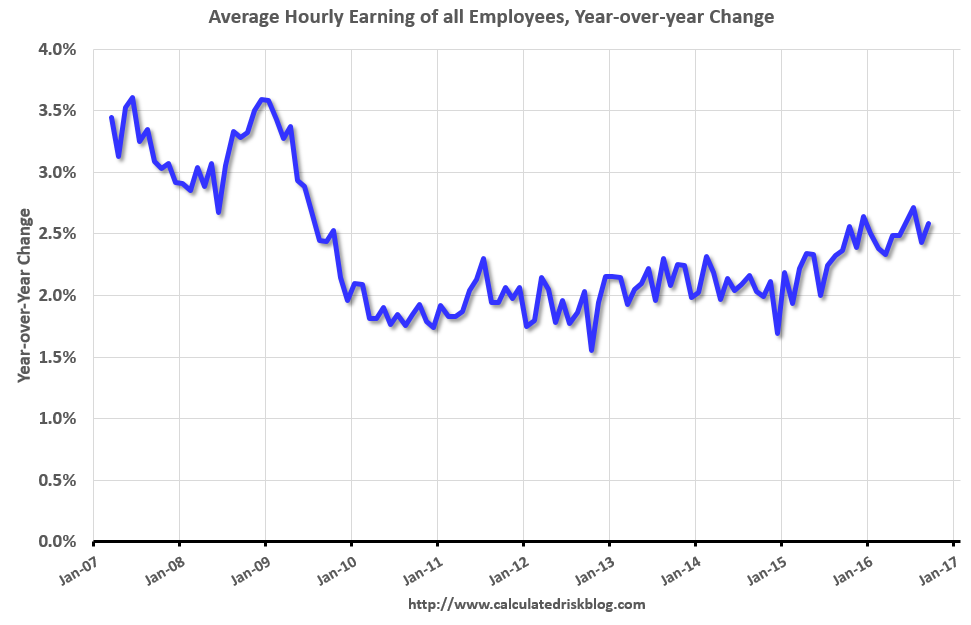
…In September, average hourly earnings for all employees on private nonfarm payrolls rose by 6 cents to $25.79. Over the year, average hourly earnings have risen by 2.6 percent.
And charts from Calculated Risk:
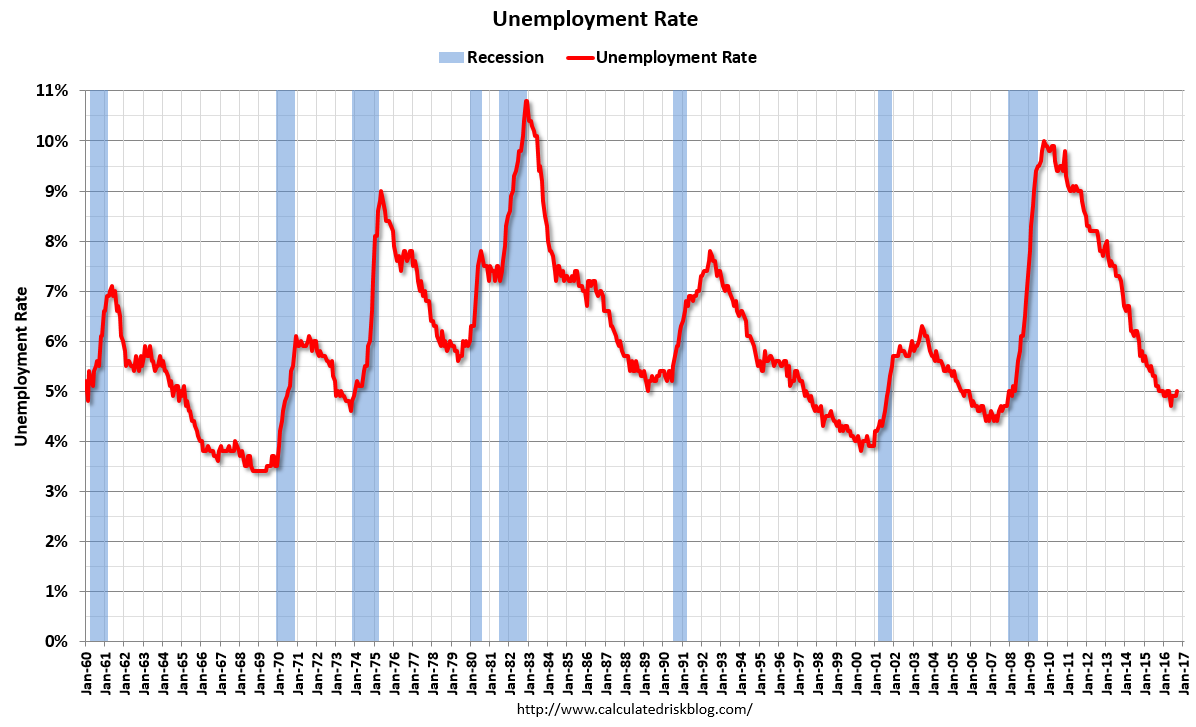
Unemployment rate lifted a little to 5%:
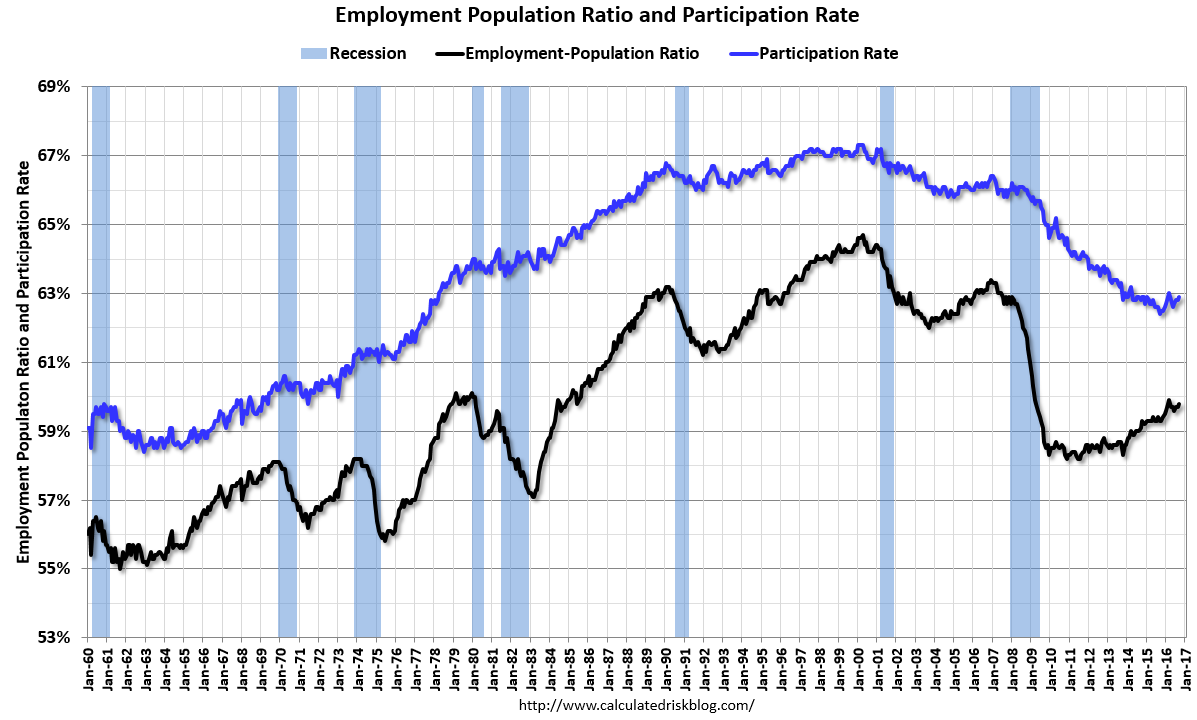
As the participation rate bottoms out:
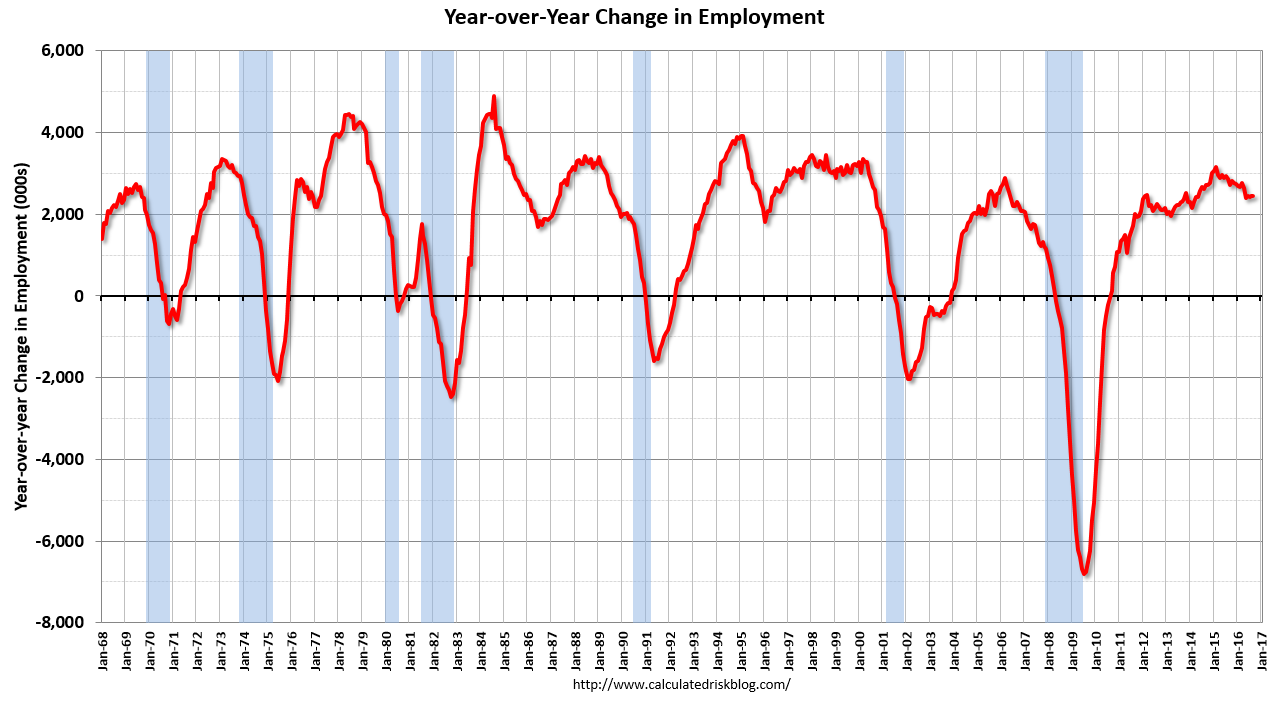
Year on year jobs growth is solid:
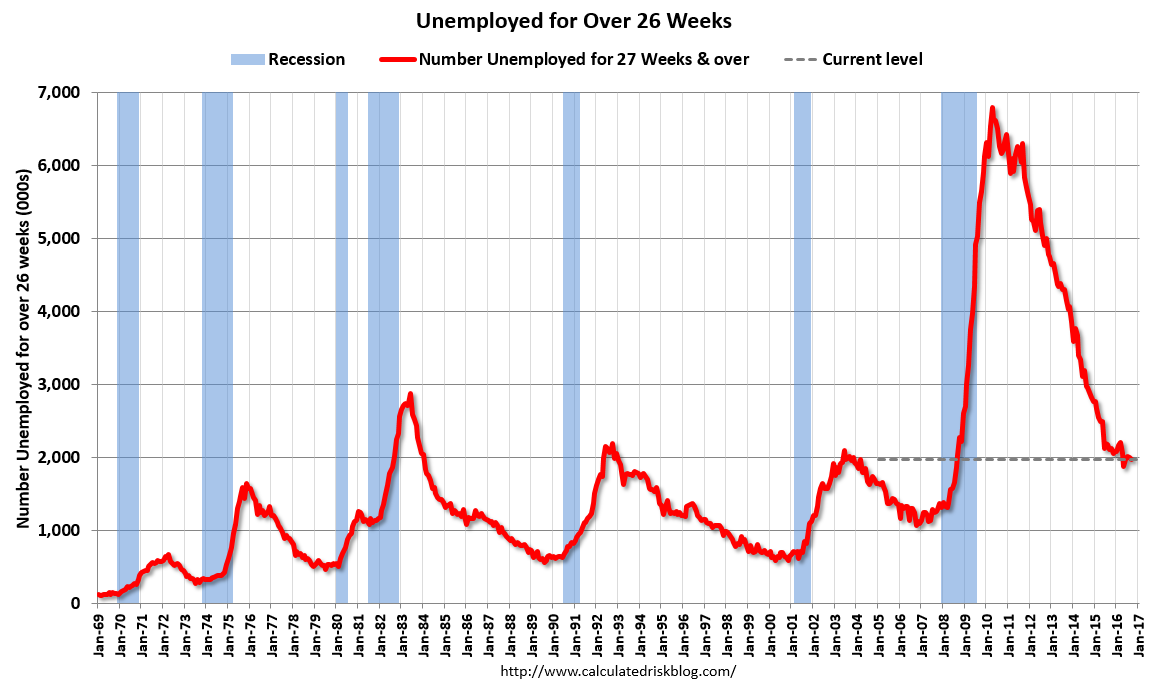
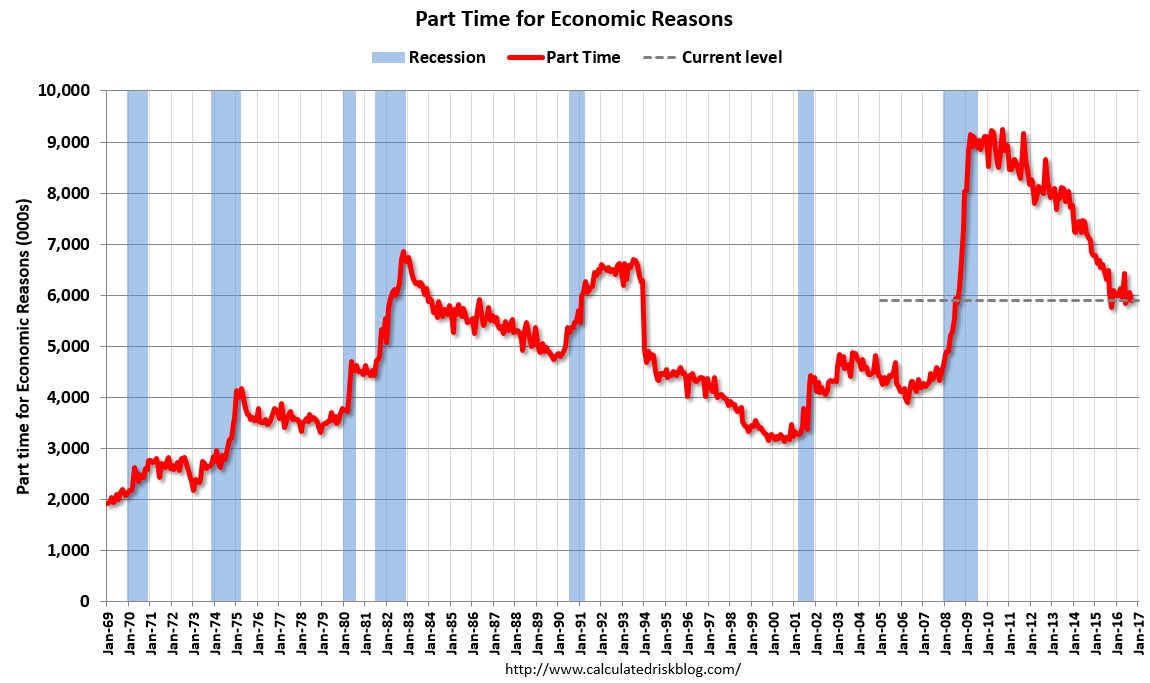
Shadow slack remains high:
And income growth grinding upwards:
A solid report, especially the lifting participation rate but absolutely no reason to hike interest rates! From Hilsenrath:
The subdued September jobs report ensures the Federal Reserve won’t be raising short-term interest rates at its November policy meeting, a week before the U.S. presidential election, and creates a new thread of uncertainty about its action in mid-December.
The report—marked by a slight uptick in the unemployment rate to 5%—largely fit the narrative Fed Chairwoman Janet Yellen laid out for the labor market after the central bank’s September policy meeting.
People are rejoining the labor force in search of work. Many of them are finding jobs, but not all. The number of employed people, as measured by the Labor Department’s survey of households, rose a robust 354,000 in September from the month before, while the number of unemployed rose 90,000. (A separate survey of business establishments showed employers added a modest 156,000 jobs last month.)
The rise in the number of unemployed created by the return of individuals searching for jobs is putting some upward pressure on the unemployment rate. It ticked up from 4.9% in August and has effectively stopped falling this year.
Ms. Yellen sees the return of workers to the job search process as a healthy sign. The labor-force participation rate had been falling for much of the expansion as discouraged individuals and aging Americans stopped searching for jobs. That has reversed. The labor-force participation rate was up a half percentage point in September from a year earlier to 62.9%, an apparent sign of optimism among prospective workers that jobs worth seeking are out there.
The growing pool of labor is also a sign the job market isn’t yet near overheating. This underscores Ms. Yellen’s plan to move slowly toward raising short-term interest rates.
“The economy has a little more room to run than might have been previously thought,” she said at her September press conference. “That’s good news.”
The Fed next meets Nov. 1-2, before the Nov. 8 presidential election. Given this “room to run,” confirmed by the latest jobs data, a rate increase at that November meeting is almost certainly off the table. A December rate increase is still the most likely scenario for the Fed, but it isn’t a sure thing. If the jobless rate keeps rising, Fed officials might decide to forestall rate increases until next year.
The central bank will have two more jobs reports to observe before it has to make a decision at its mid-December meeting. So there will be plenty of time for deciding.
If the Fed is going to hike it will be despite the labour market not because of it. The driver will have to be inflation or financial stability. It won’t be growth, either, as GDPNow collapses again:
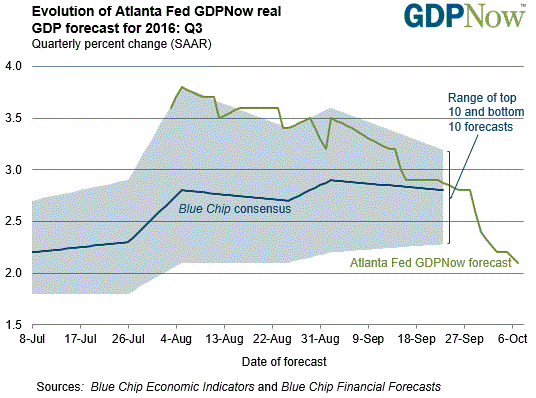
Markets kind of froze on the spot. November hike odds tumbled but December is still firm at 64%.
However, the eruption of ‘sexismgate’ around Donald Trump on the weekend has surely ended the Presidential race. Hillary had already extended her polling lead to 5 points beforehand:
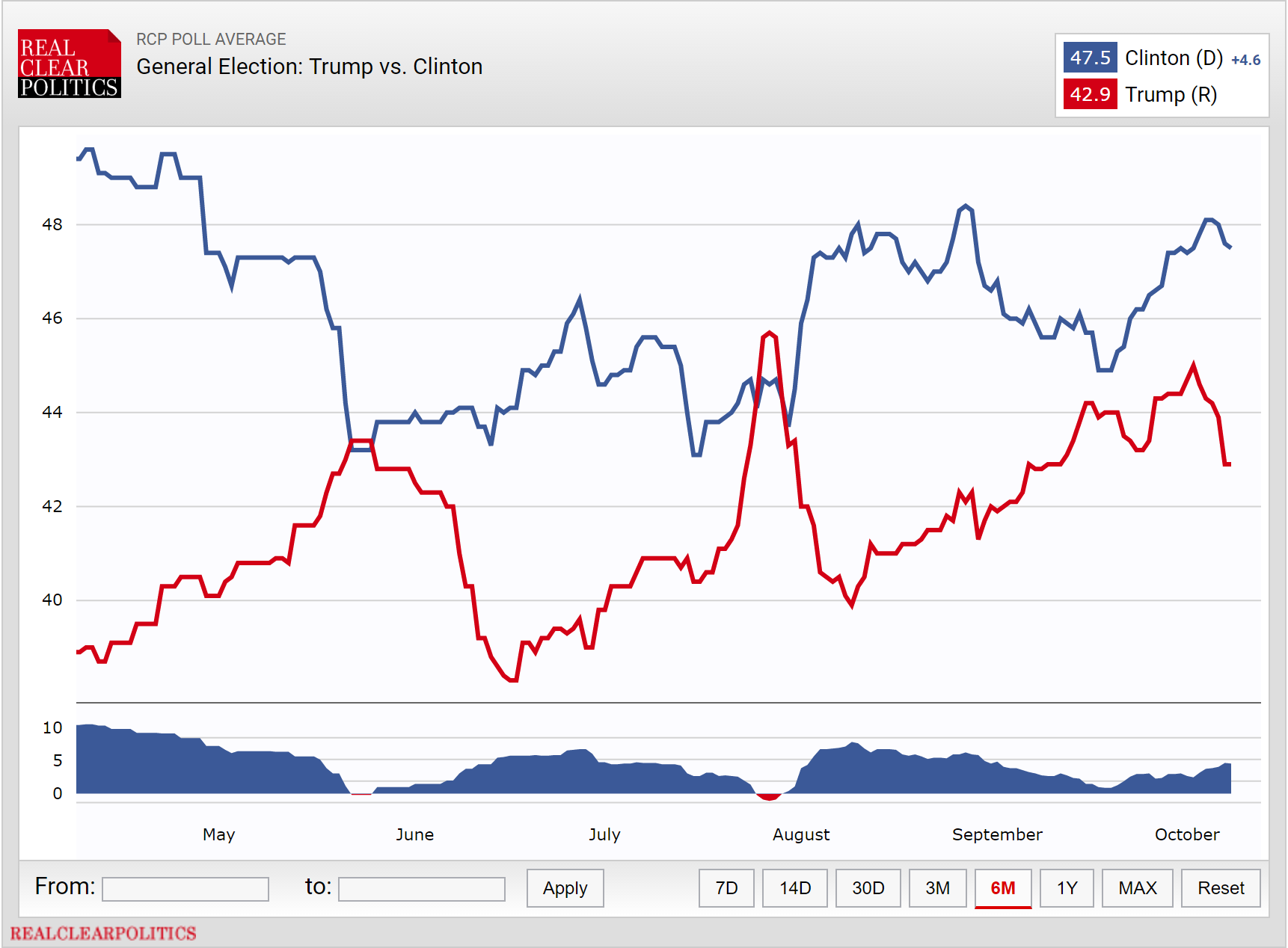
Monday markets can celebrate a Hillary Clinton presidency. Though any relief rally will be tempered by the fear that a Hillary win increases the prospect of action by the Fed.
Also weighing will be European news. All was quiet on the Italian referendum but Deutsche rumours was served notice, from Bloomie:
Deutsche Bank AG Chief Executive Officer John Cryan failed to reach an agreement with the U.S. Justice Department to resolve a years-long investigation into its mortgage-bond dealings during a meeting in Washington Friday, Germany’s Bild newspaper reported.
The meeting was meant to negotiate the multi-billion-dollar settlement the bank will have to pay to resolve alleged misconduct arising from its dealings in residential-mortgage backed securities that led to the 2008 financial crisis, according to a Bild am Sonntag report.
That won’t impress anyone. Brexit is heating up too, from the FT:
Britain must suffer the consequences of leaving the EU in order to save the institution from an existential crisis, François Hollande said on Thursday.
Speaking in Paris at a dinner attended by Jean-Claude Juncker, EU commission president, and Michel Barnier, the EU’s top Brexit negotiator, the French president urged the bloc to lead tough negotiations with the UK to avoid contagion and protect the fundamental principles of the single market.
“The UK has decided to do a Brexit, I believe even a hard Brexit. Well, then we must go all the way through the UK’s willingness to leave the EU. We have to have this firmness,” President Hollande told 150 guests at the 20th anniversary of Notre Europe, the pro-EU think-tank founded by Jacques Delors, the former EU commission chief.
“If not, we would jeopardise the fundamental principles of the EU. Other countries would want to leave the EU to get the supposed advantages without the obligations.”
Not playing nice.
In summary, the Q4 risk gauntlet was contained Friday night on decent US jobs and even more by sexismgate. But it ain’t pretty in Europe and I still can’t see equities getting very far.
