
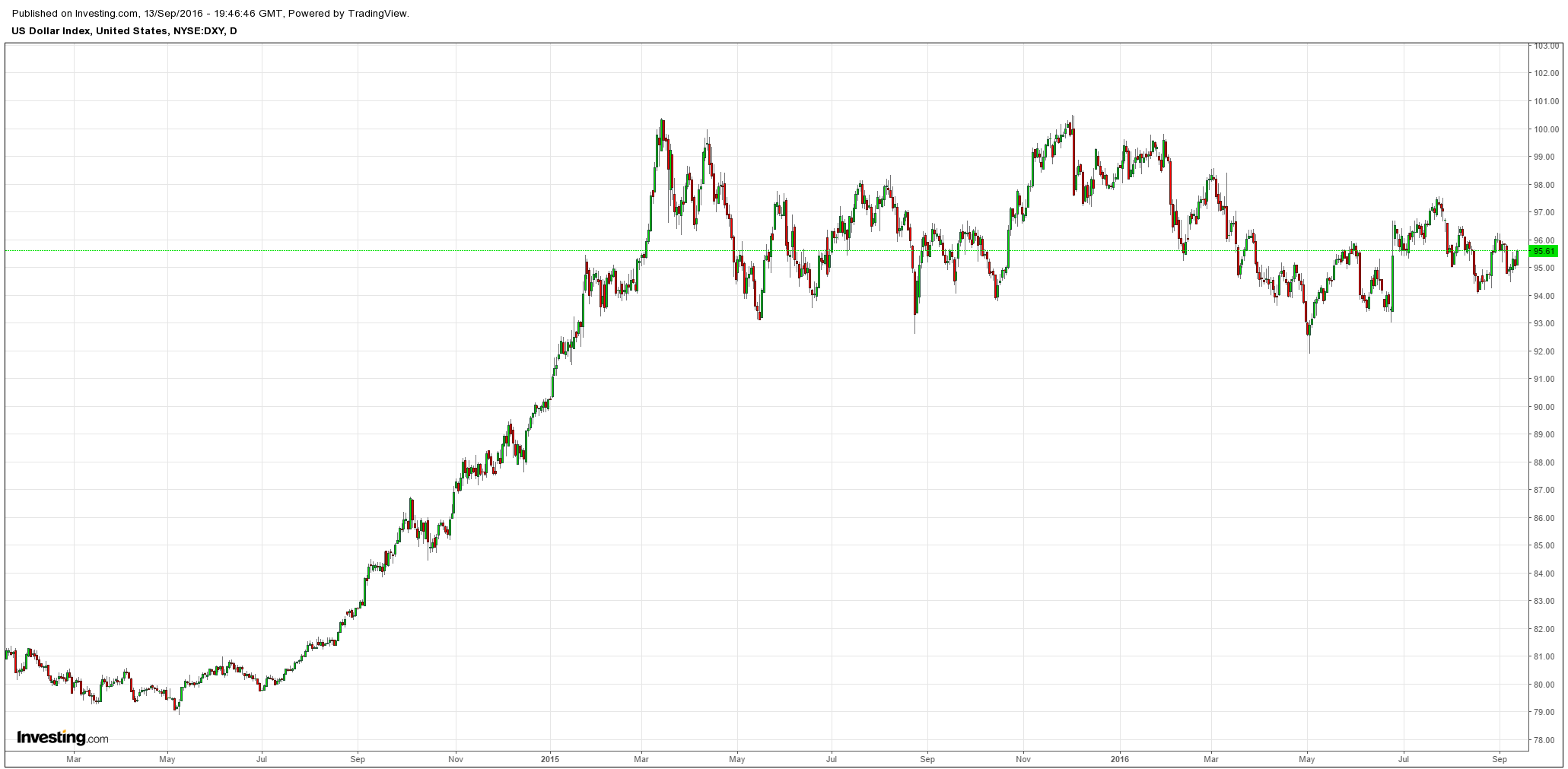
It’s back and it’s angry. The US dollar was strong:
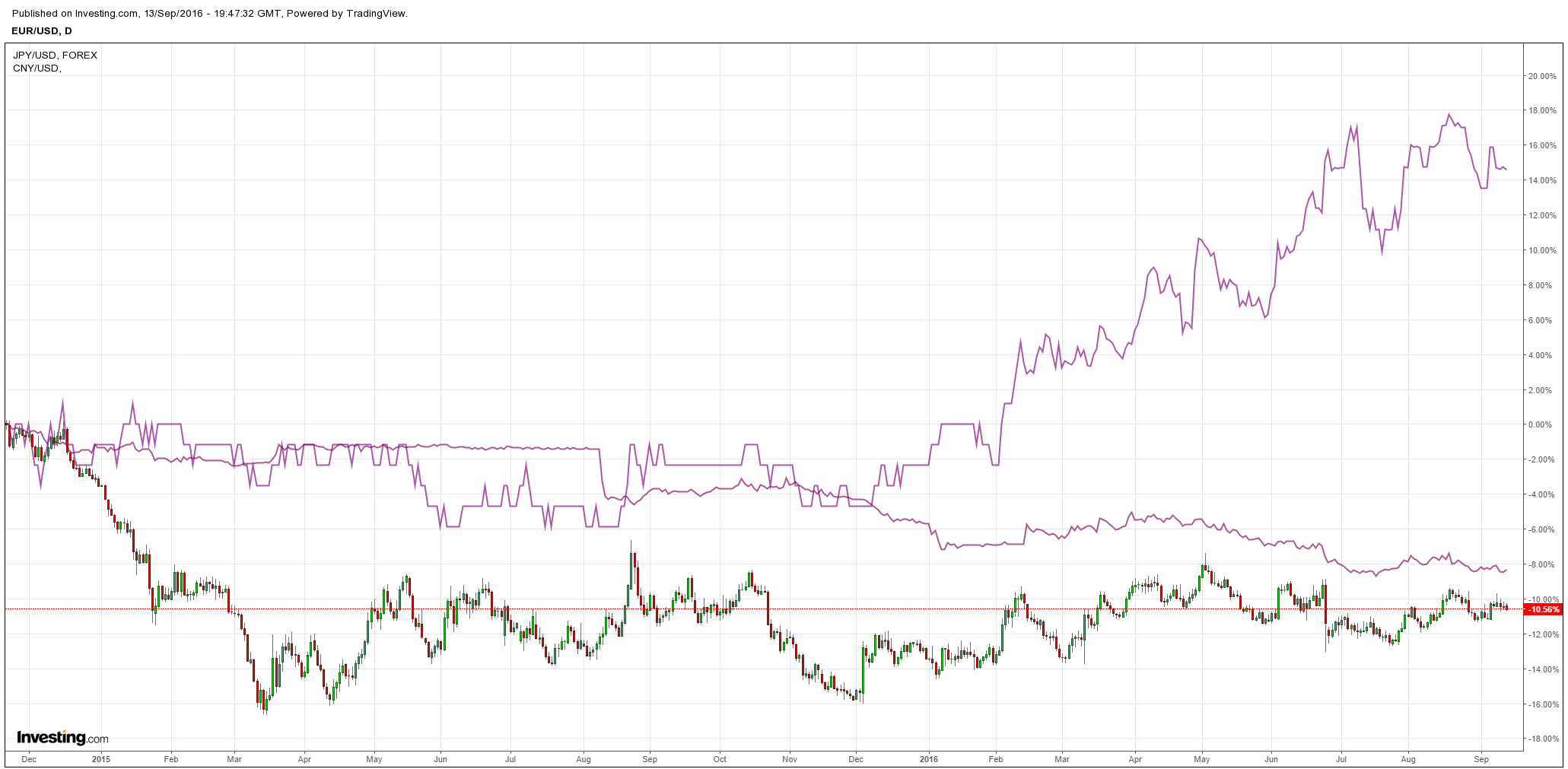
Other majors mixed:
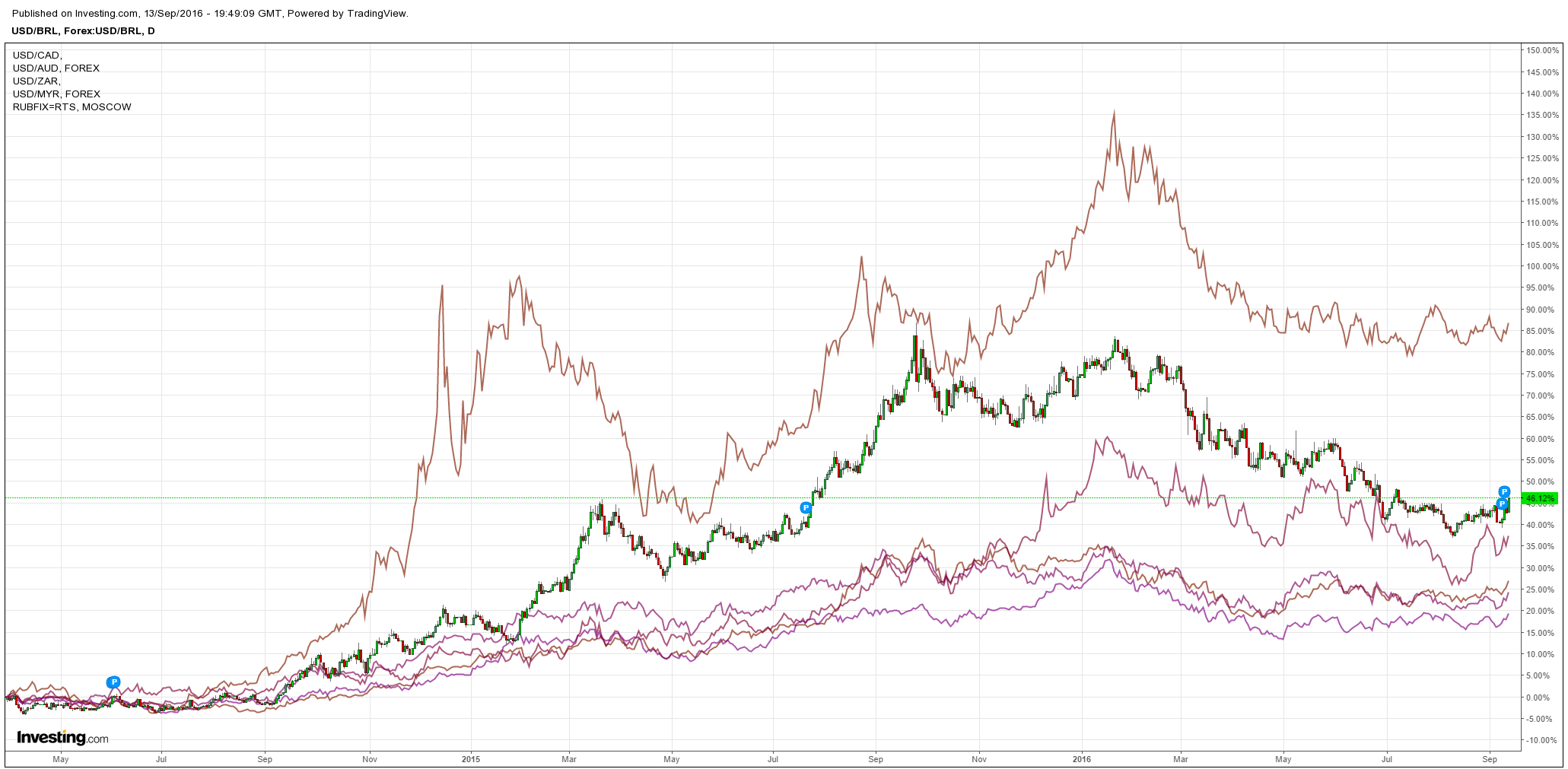
Commodity currencies were thumped:
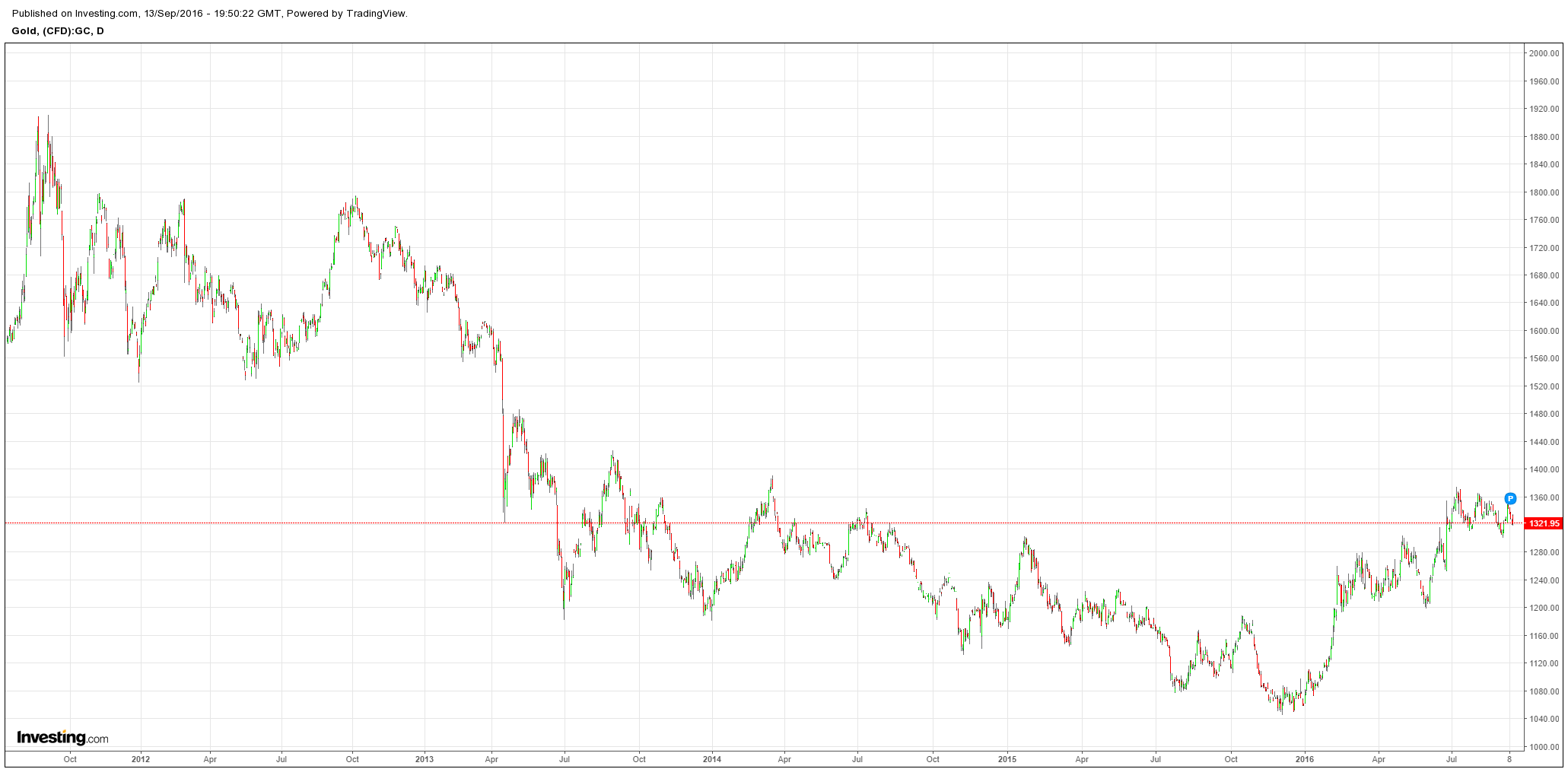
Gold soft:
Oil weak:
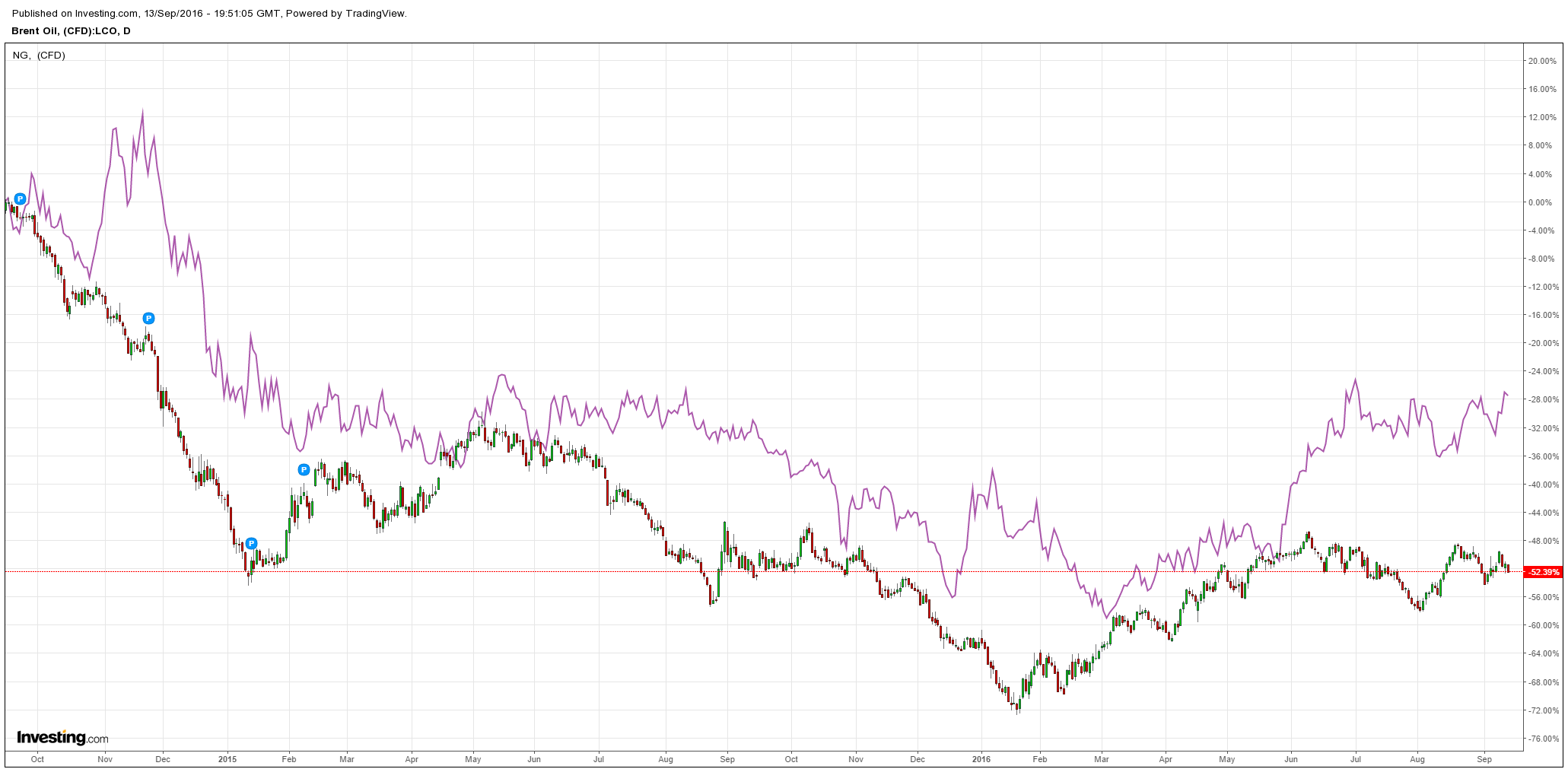
Base metals yawned:
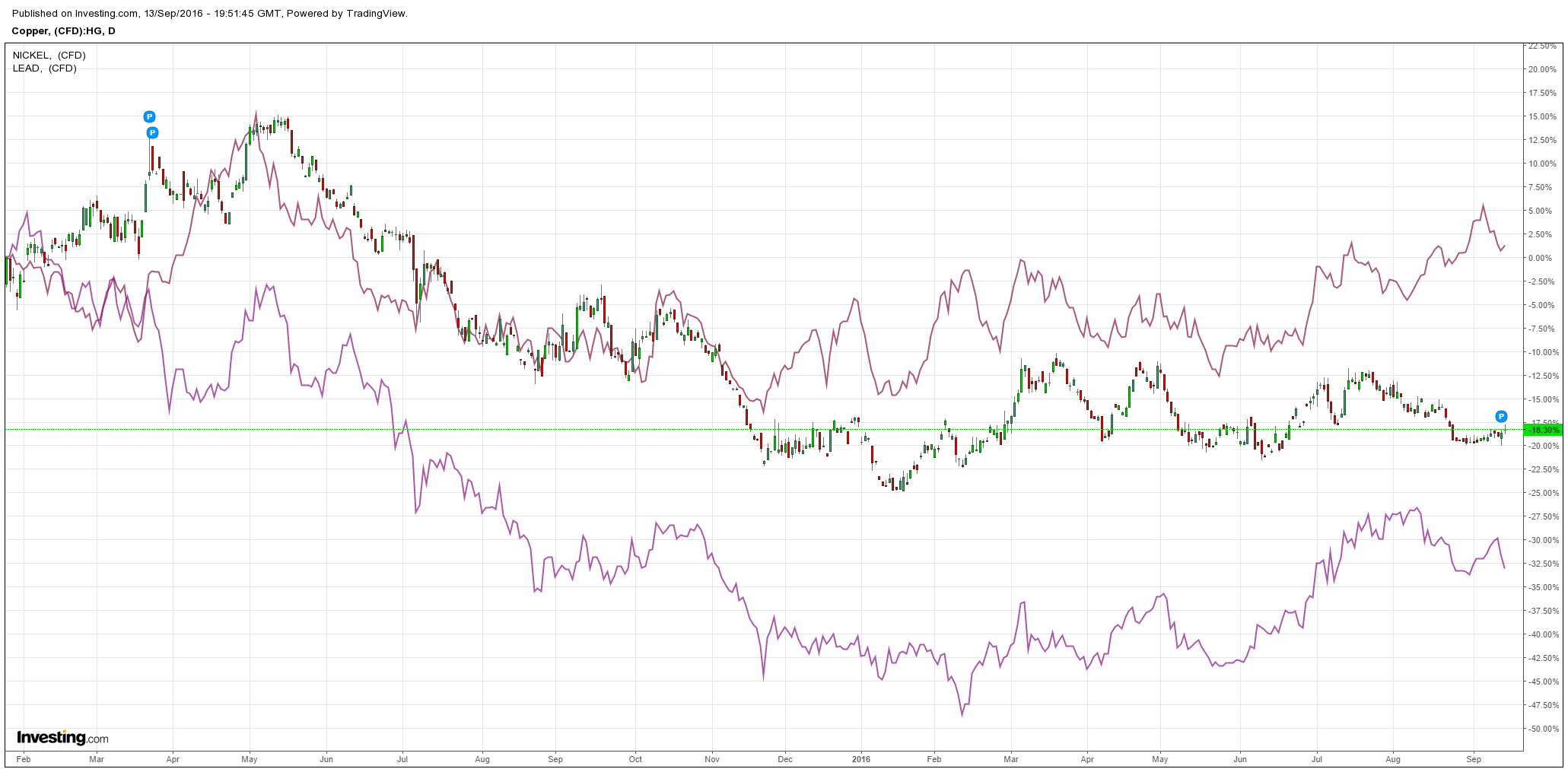
Big miners were crushed, BHP -5%, RIO -4.3%:
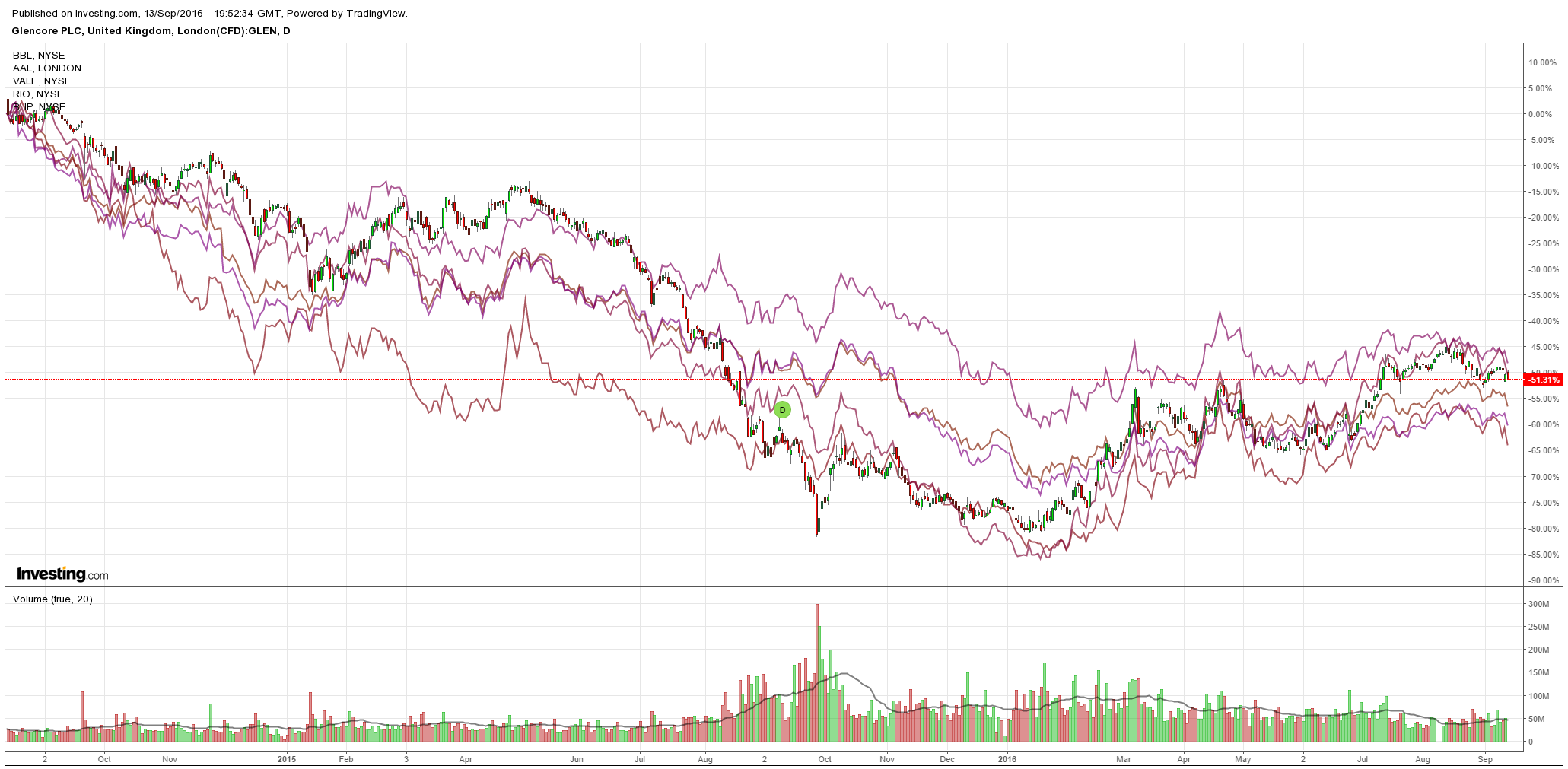
US and EM high yield was flogged. It’s not a breakdown yet but if (when) oil keeps falling it will be:
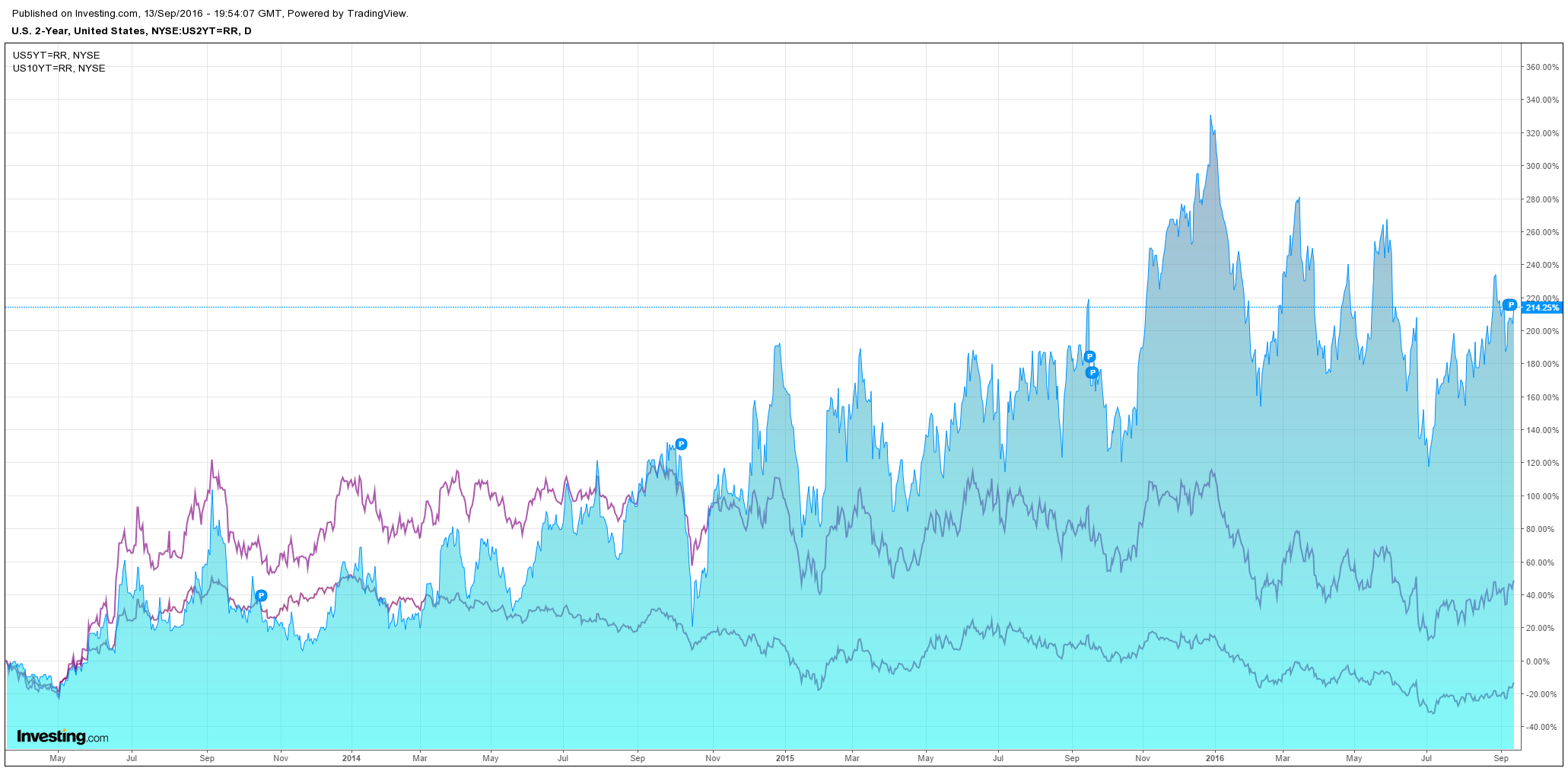
US bonds were trashed:
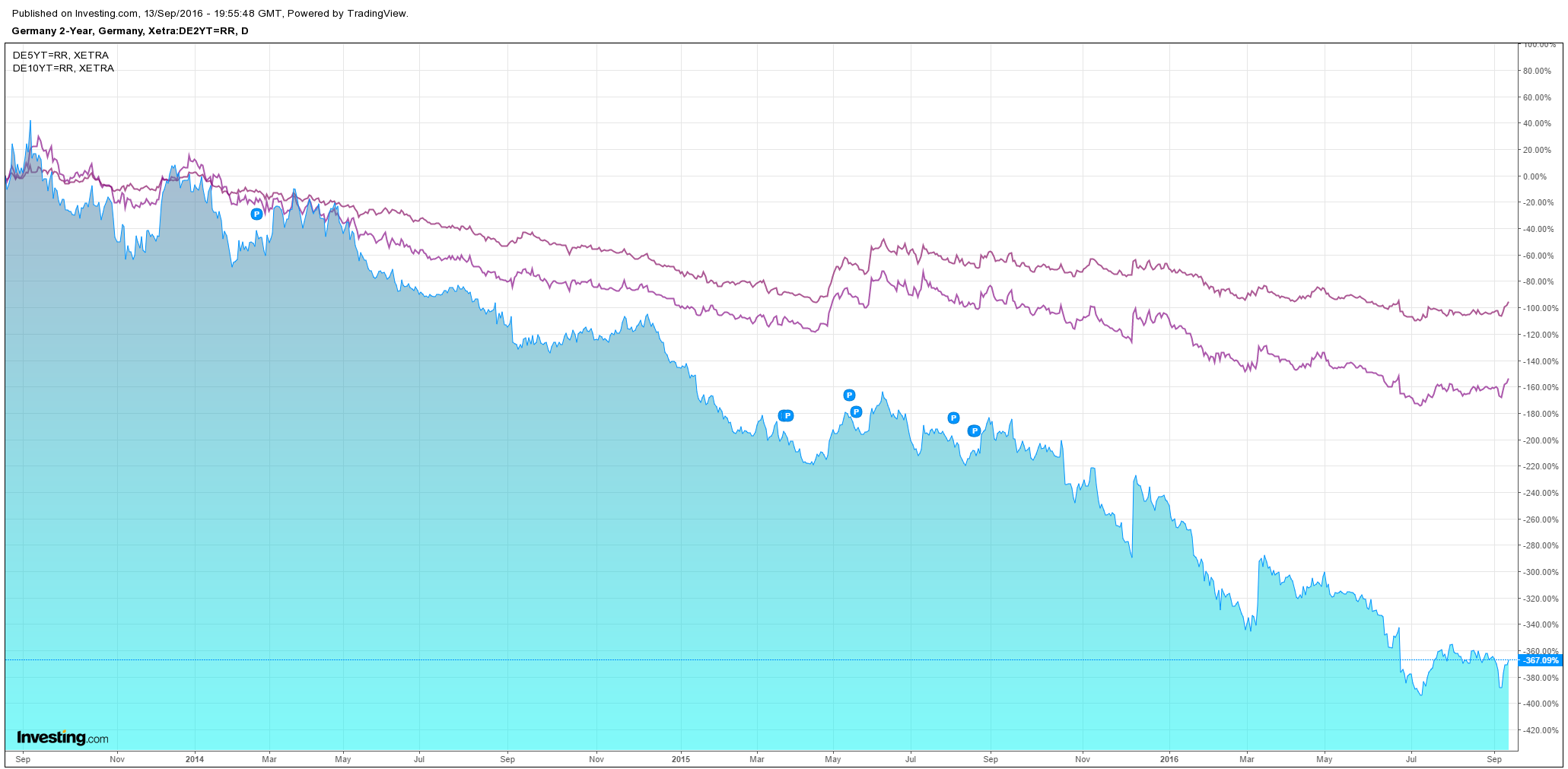
German too:
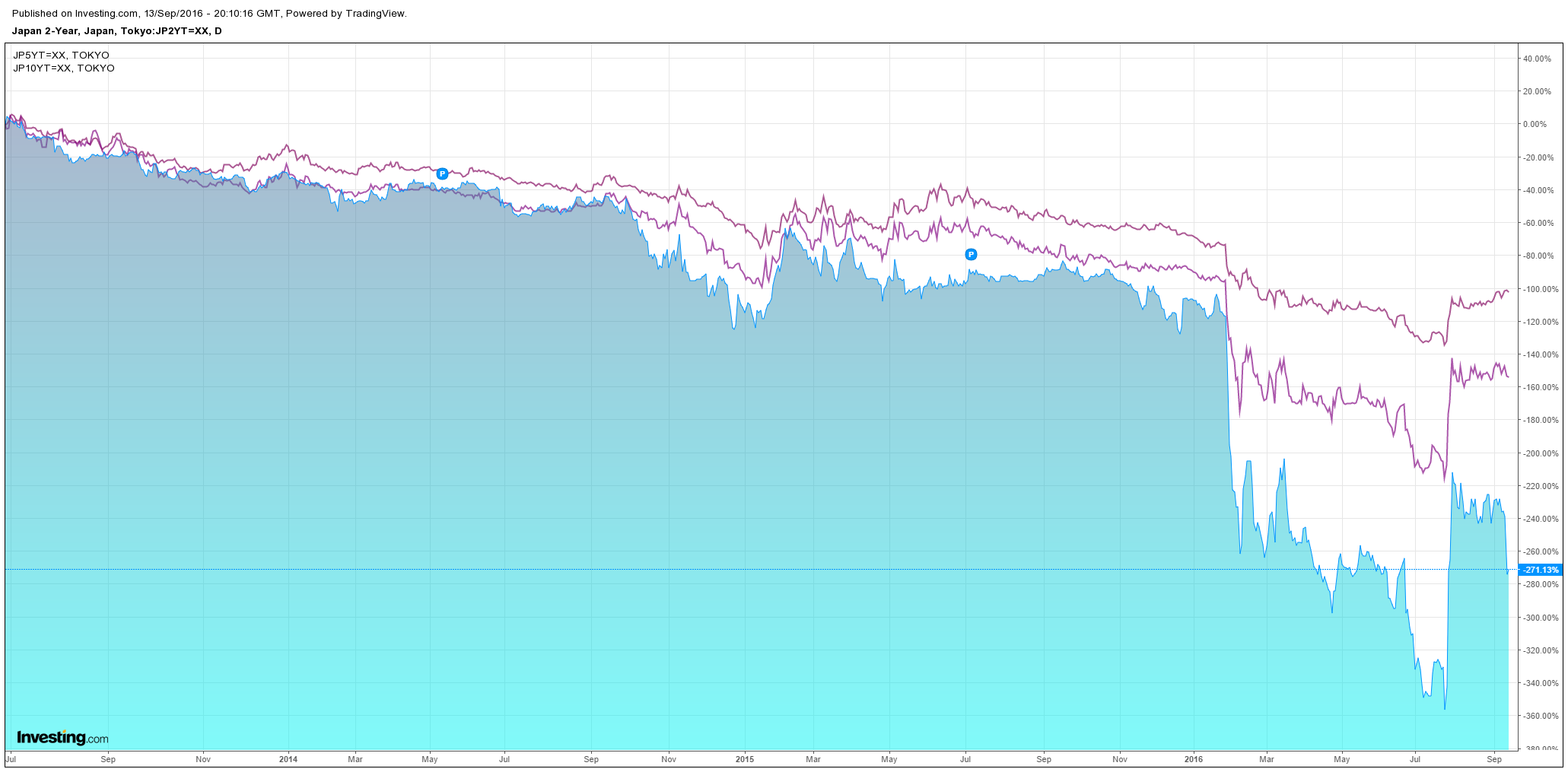
Japan as well but less so:
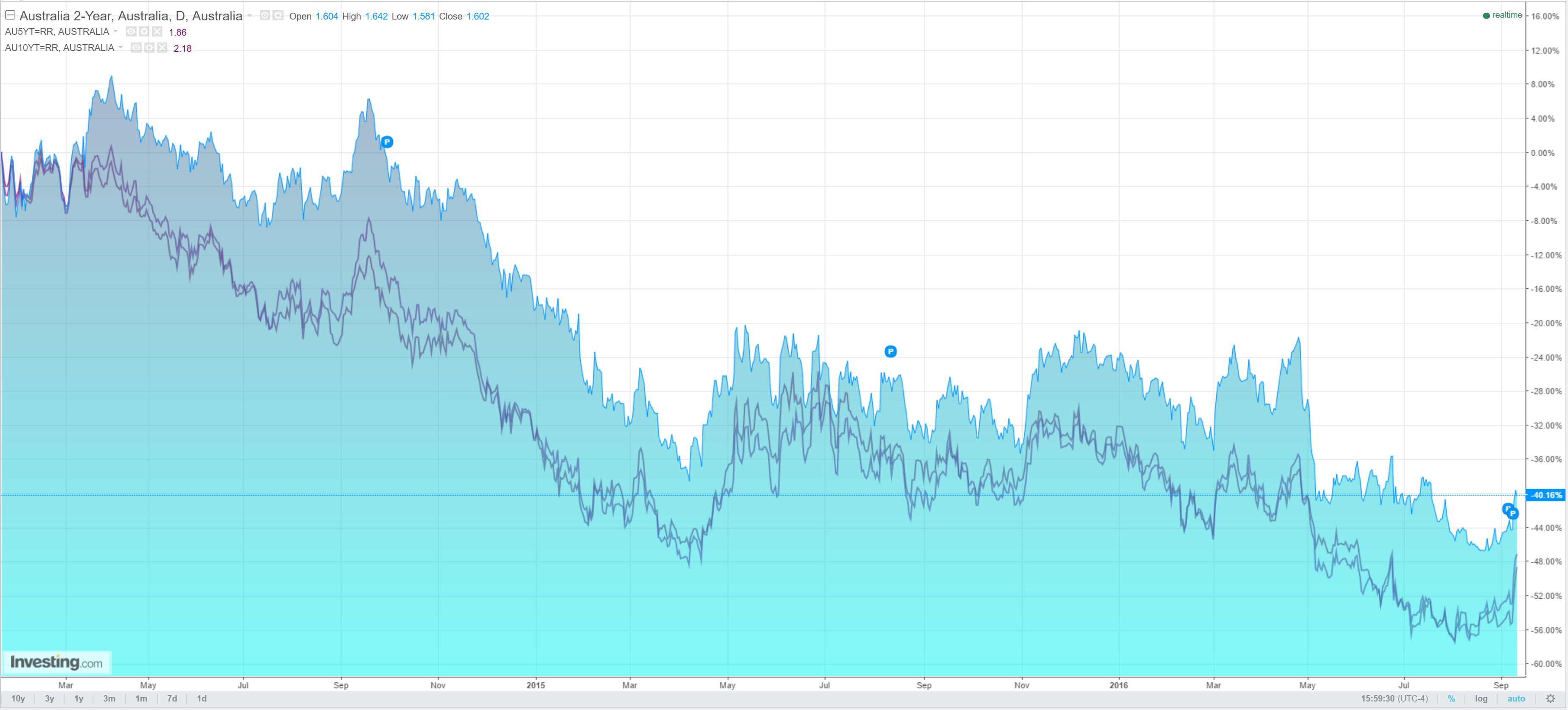
And Strayan:
Stocks ran for the hills:
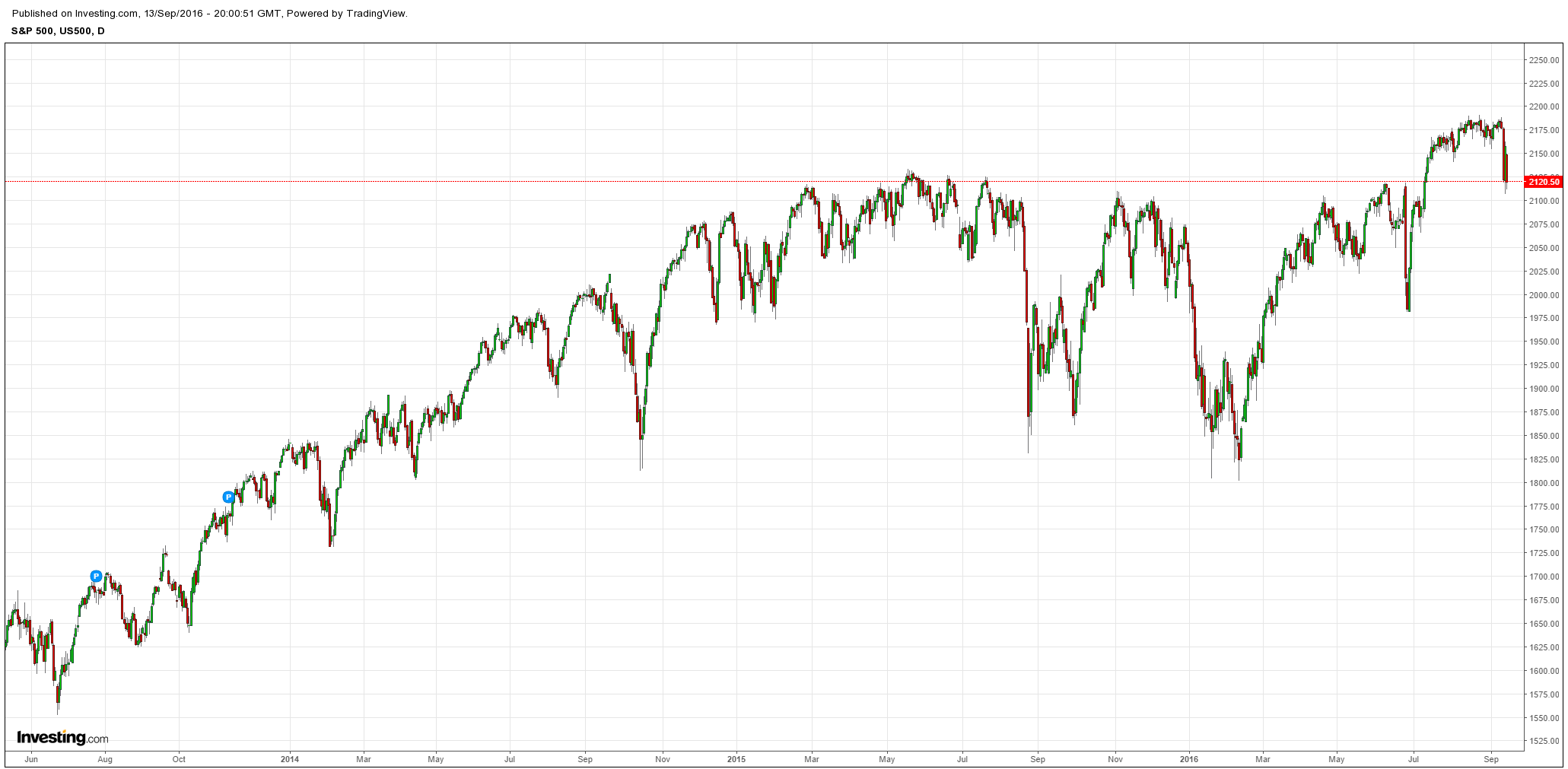
The Fed maybe all over the place but it’s not the only one and that is freaking out markets. The AFR had some great material yesterday from James Aitken:
“Markets often signal their turning points in advance,” says London based financial markets expert James Aitken.
“It’s just that most investors are not listening and we have a classic example of that under way.”
…For one, interest rate derivative market pricing, in particular on “swaptions” contracts, has been “orthogonal to the consensus narrative on interest rates”.
…Then there was the prevailing sentiment among investors that “there was no alternative” other than to chase yield at all costs.
…And last week ever riskier structures for European junk bond sales emerged while two safe investment grade companies sold bonds at negative rates – a sign of froth in the credit markets.
…But the most important hints have come from the two central banks that more than any other, have fuelled the extraordinary rally in bond markets as long-term yields have descended deeper into negative territory. They may be telling us we have reached peak NIRP.
There has been “a structural shift in thinking at the European Central Bank and the Bank of Japan about negative interest rate policy,” Aitken tells The Australian Financial Review.
“It has been under way for months and has accelerated over the past two months. The wheels of policymaking turn slowly.”
In the case of the Bank of Japan, staff have been working extensively over many months to assess the effectiveness of negative interest rates and the costs imposed on the financial sector.
The late July statement was evidence of a shift in thinking. And recent comments by deputy governor Hiroshi Nakaso who described the view that the BOJ “might disregard the intermediary function performed by the financial sector” as “totally unfounded”, reinforced the view of a shift in thinking.
“It’s not that they are going to abandon negative rates cold turkey. But slowly and surely the BOJ has been reflecting on the spillover effects of monetary policy.”
What is likely to result is a change in the “mix of tools” with less emphasis on negative interest rates and more emphasis on a “steeper yield curve”. In other words, long-term bond rates are set to rise. Next month’s Bank of Japan meeting becomes crucial with investors already speculating as to whether they’ll abandon NIRP or begin to phase it out.
But the shifting policy mix, Aitken says, has been brewing for months, and the European Central Bank is thinking along the same lines.
…”We are probably in a front edge of a more difficult period for markets. It does not make me outright bearish on risk assets but it does mean there are lots of crowded positions out there that need to be shaken down.”
If it is the end of NIRP (and it should be given it doesn’t work) then the fallout will be widespread as it:
- begins a “bear steepening” of the yield curve;
- shares will get monstered;
- the yen will reverse downwards as the short end remains anchored, unless panic really takes hold;
- zombieuro is likely to remain under pressure;
- the US dollar will, if anything, get stronger;
- it will be a headwind for gold;
- the Aussie dollar will fall along with local bonds, though the long end will be much harder hit.
This is potentially a deeper reversal than a post-Brexit unwind and all of it tips into the Mining GFC.
