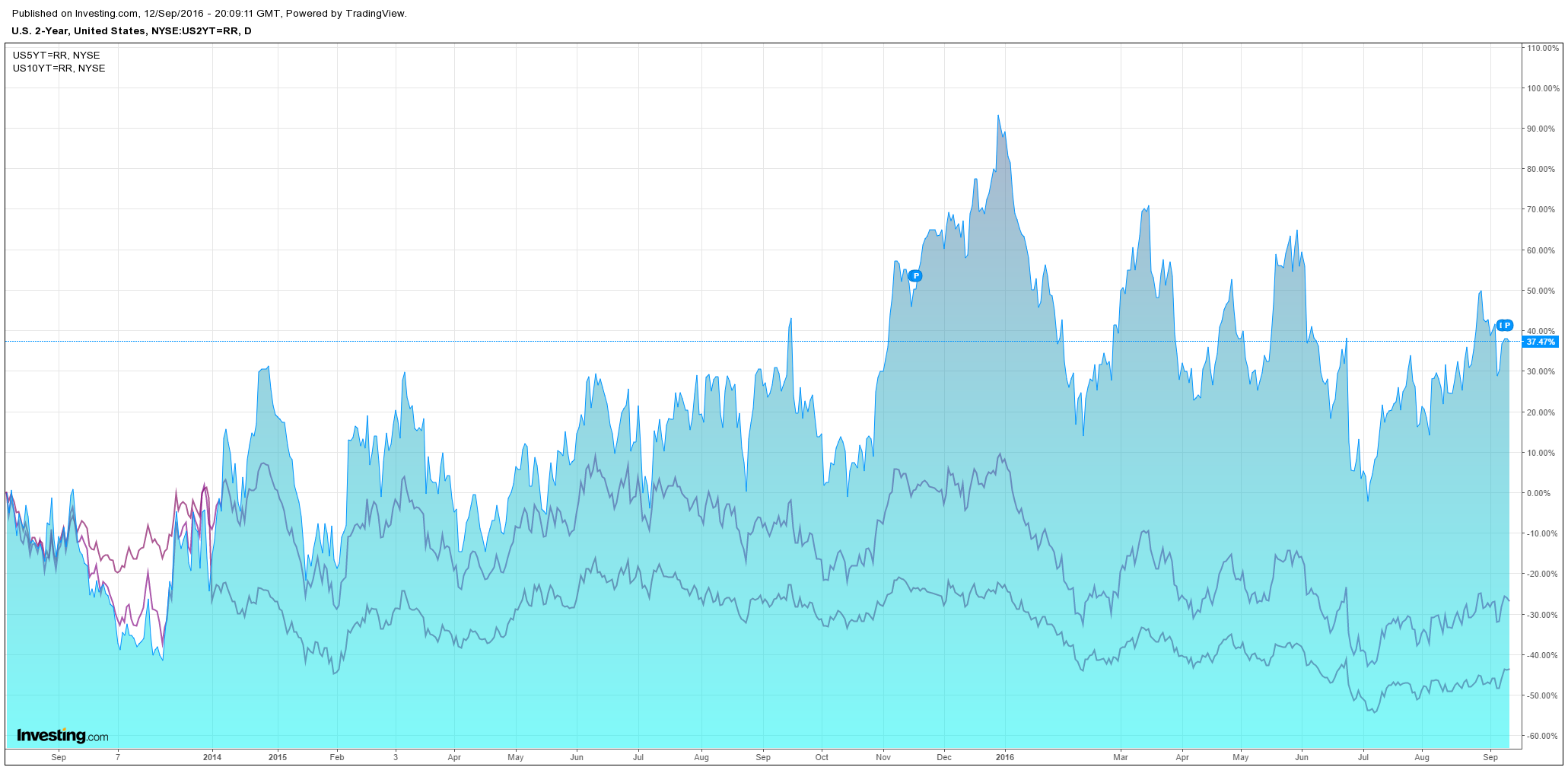
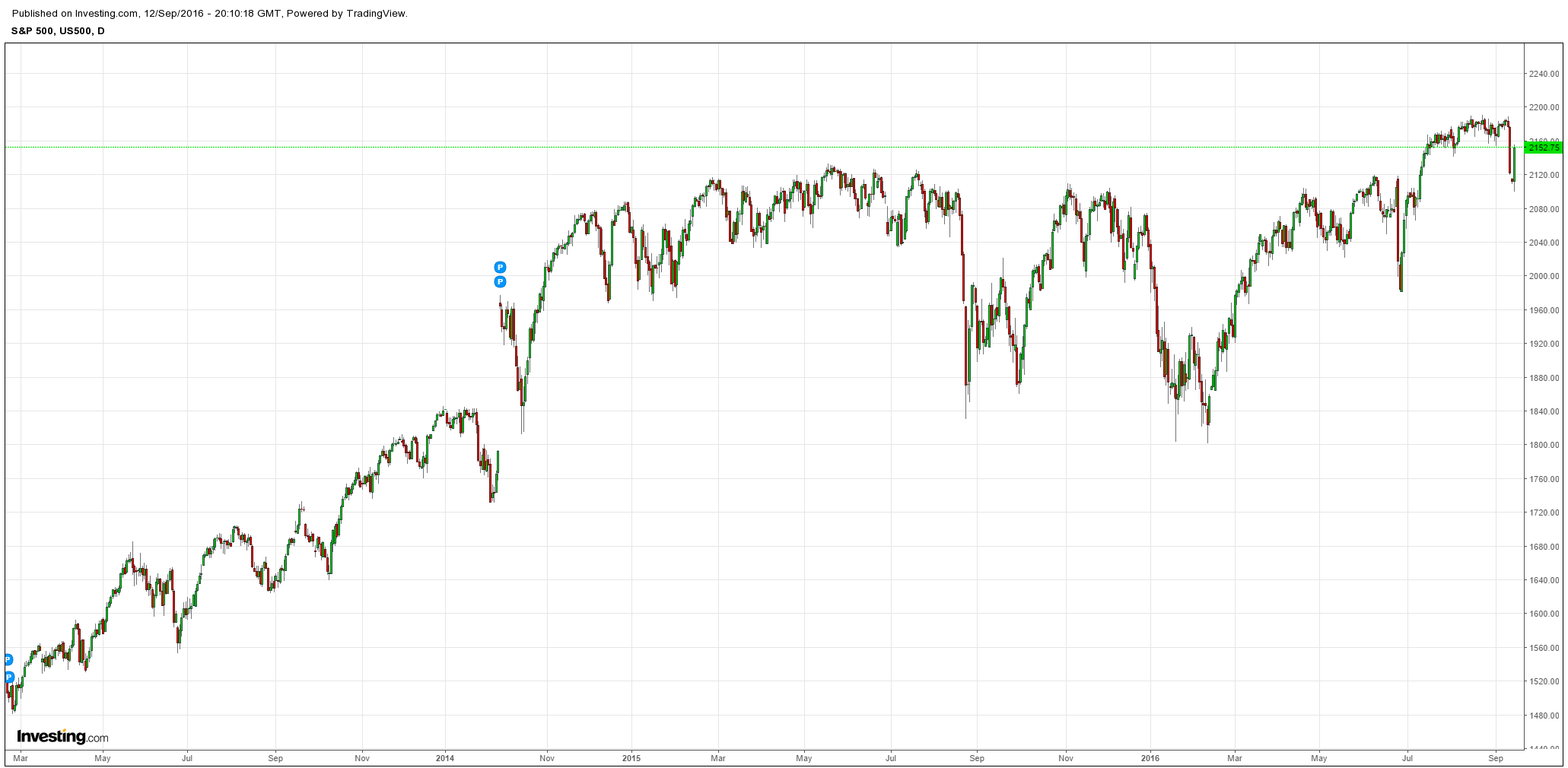
Fed governor Lael Brainard delivered the good news last night:
In today’s new normal, the costs to the economy of greater-than-expected strength in demand are likely to be lower than the costs of significant unexpected weakness. In the case of unexpected strength, we have well-tried and tested tools and ample policy space in which to react. Moreover, because of Phillips curve flattening, the possibility of remaining labor market slack, the likely substantial response of the exchange rate and its depressing effect on inflation, the low neutral rate, and the fact that inflation expectations are well anchored to the upside, the response of inflation to unexpected strength in demand will likely be modest and gradual, requiring a correspondingly moderate policy response and implying relatively slight costs to the economy. In the face of an adverse shock, however, our conventional policy toolkit is more limited, and thus the risk of being unable to adequately respond to unexpected weakness is greater. The experience of the Japanese and euro-area economies suggest that prolonged weakness in demand is very difficult to correct, leading to economic costs that can be considerable.
This asymmetry in risk management in today’s new normal counsels prudence in the removal of policy accommodation. I believe this approach has served us well in recent months, helping to support continued gains in employment and progress on inflation. I look forward to assessing the evolution of the data in the months ahead for signs of further progress toward our goals, bearing in mind these considerations.
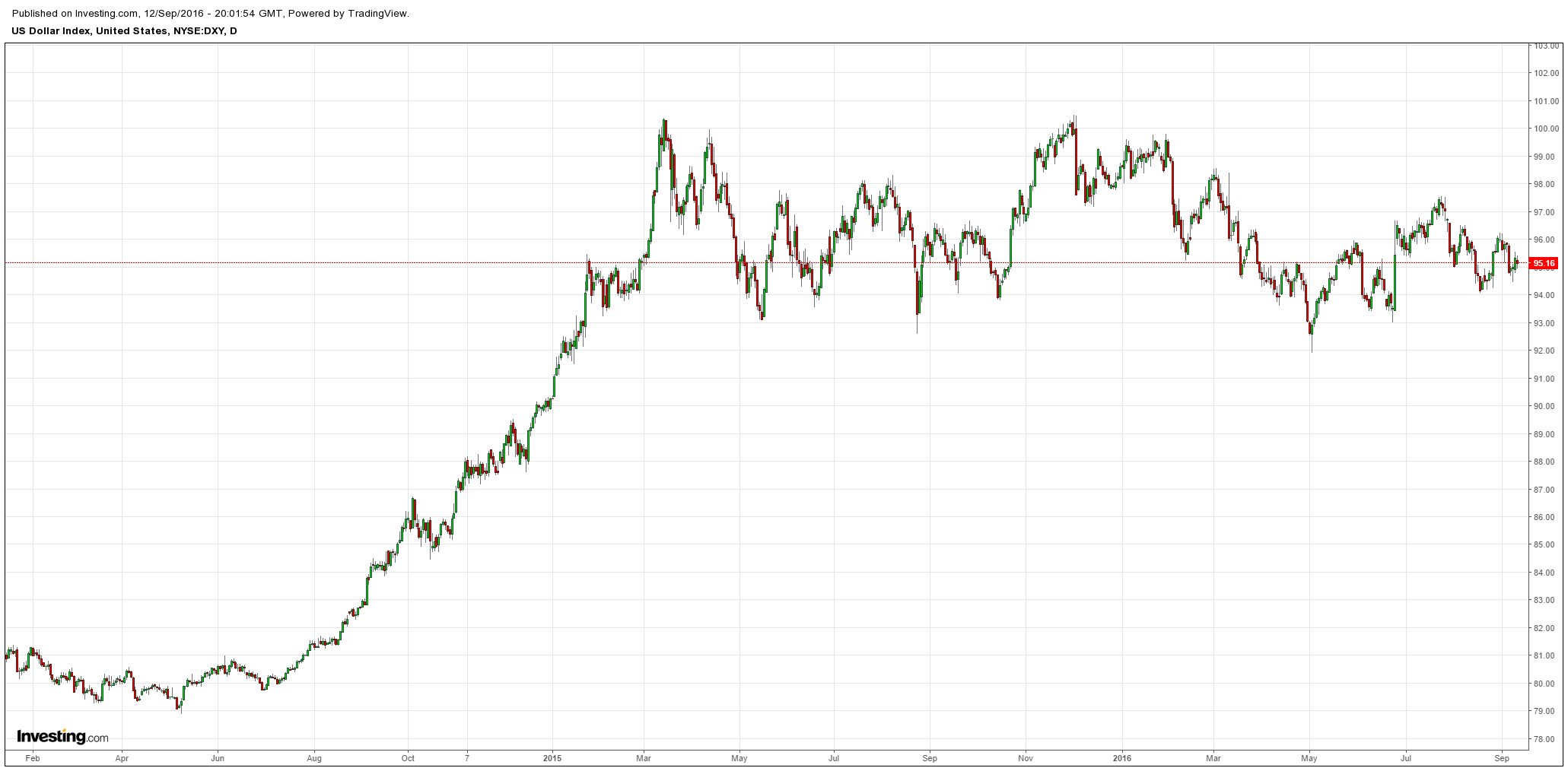
Pavlovian risk duly salivated. The US dollar slumped:
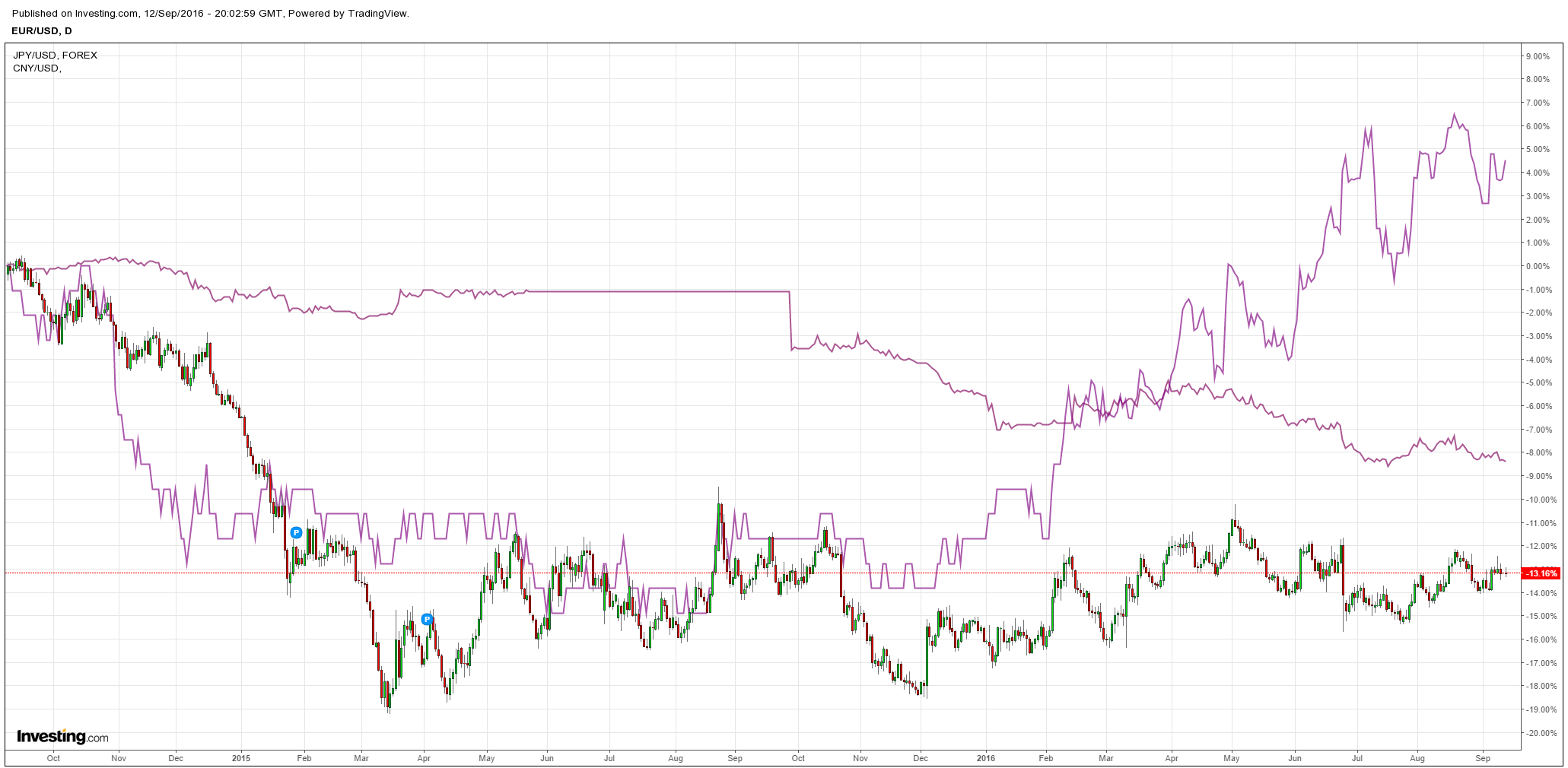
Other majors were mixed:
Advertisement
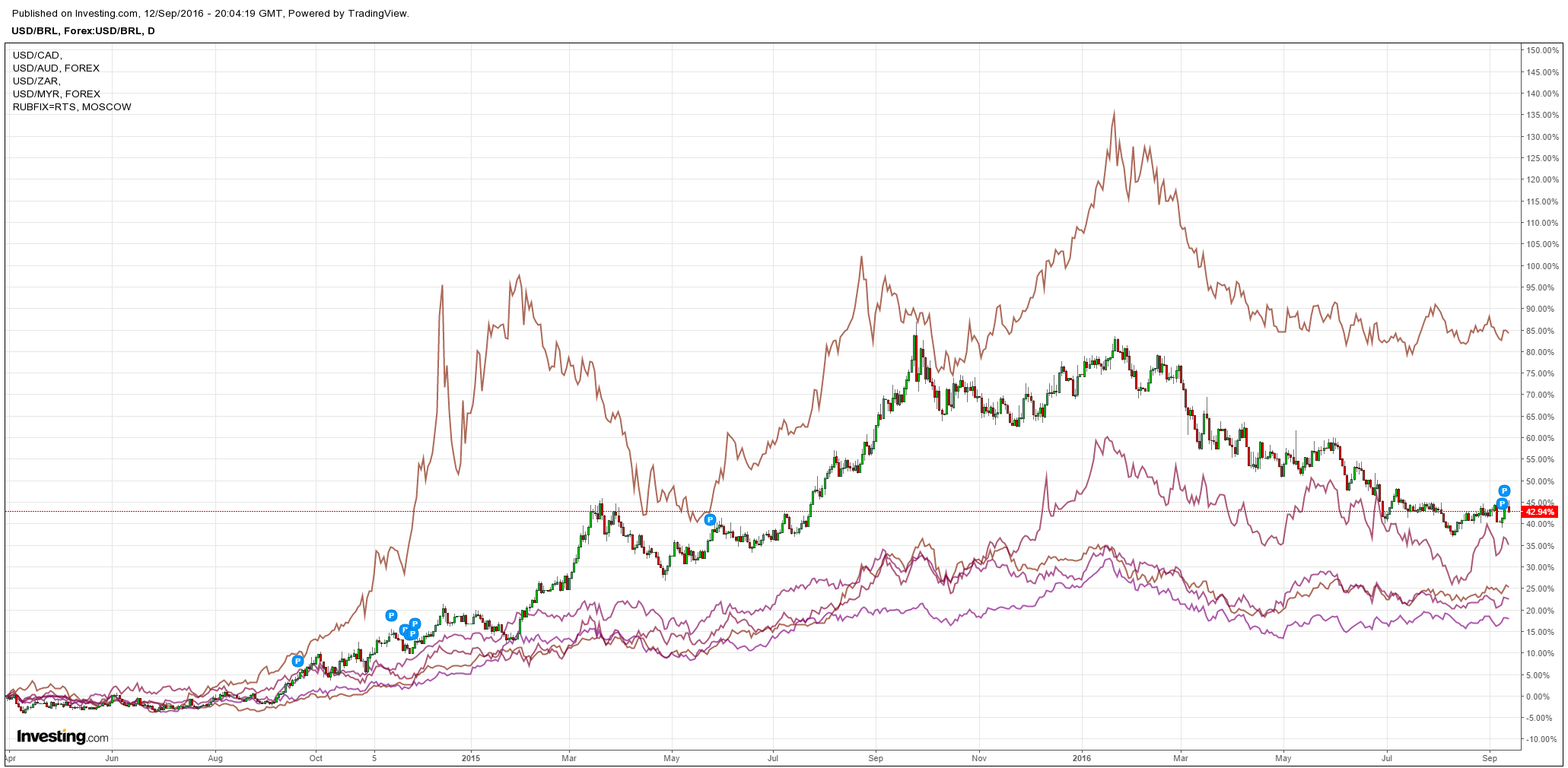
Commodity currencies jumped:
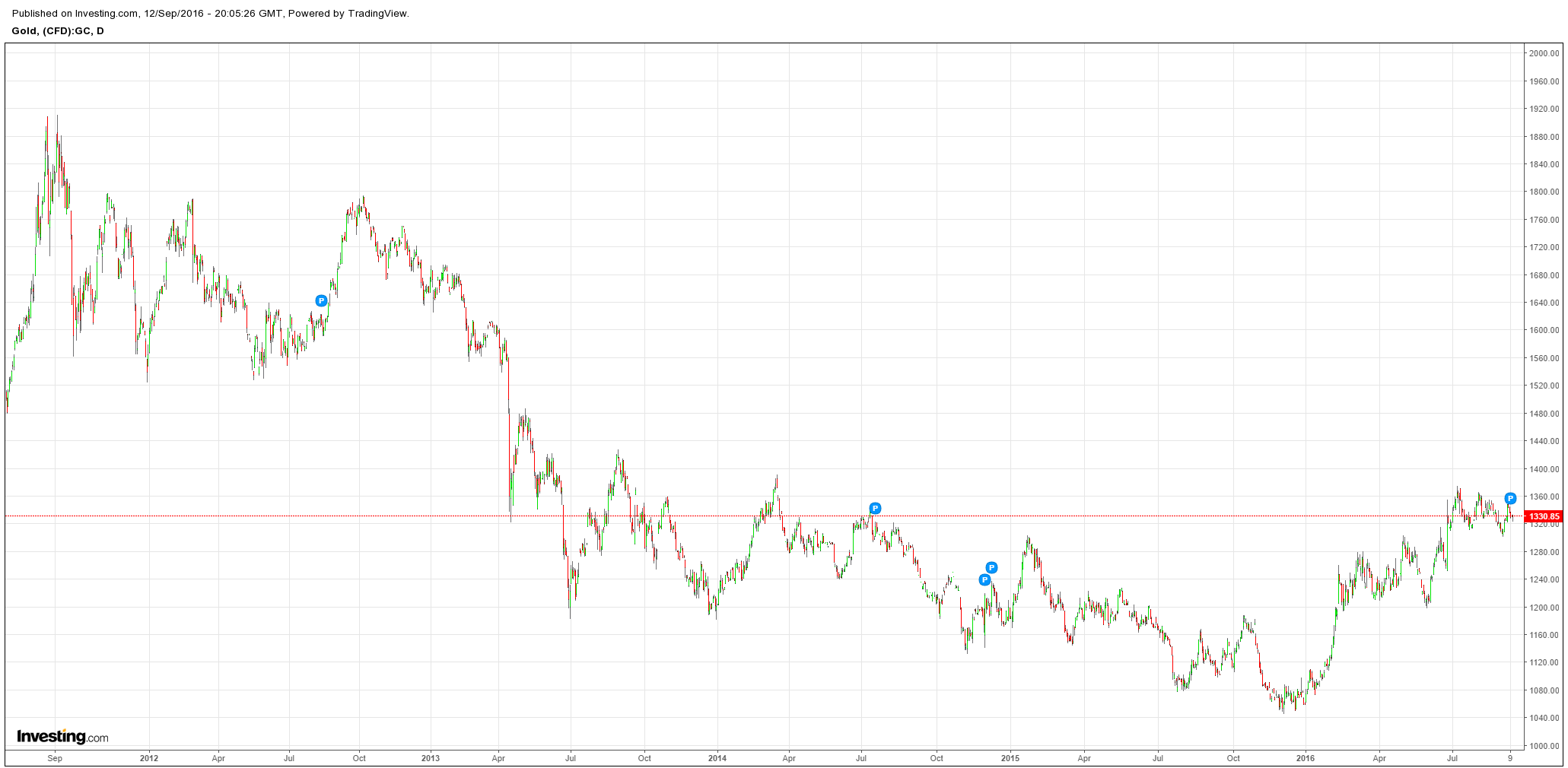
Though gold sold a little:
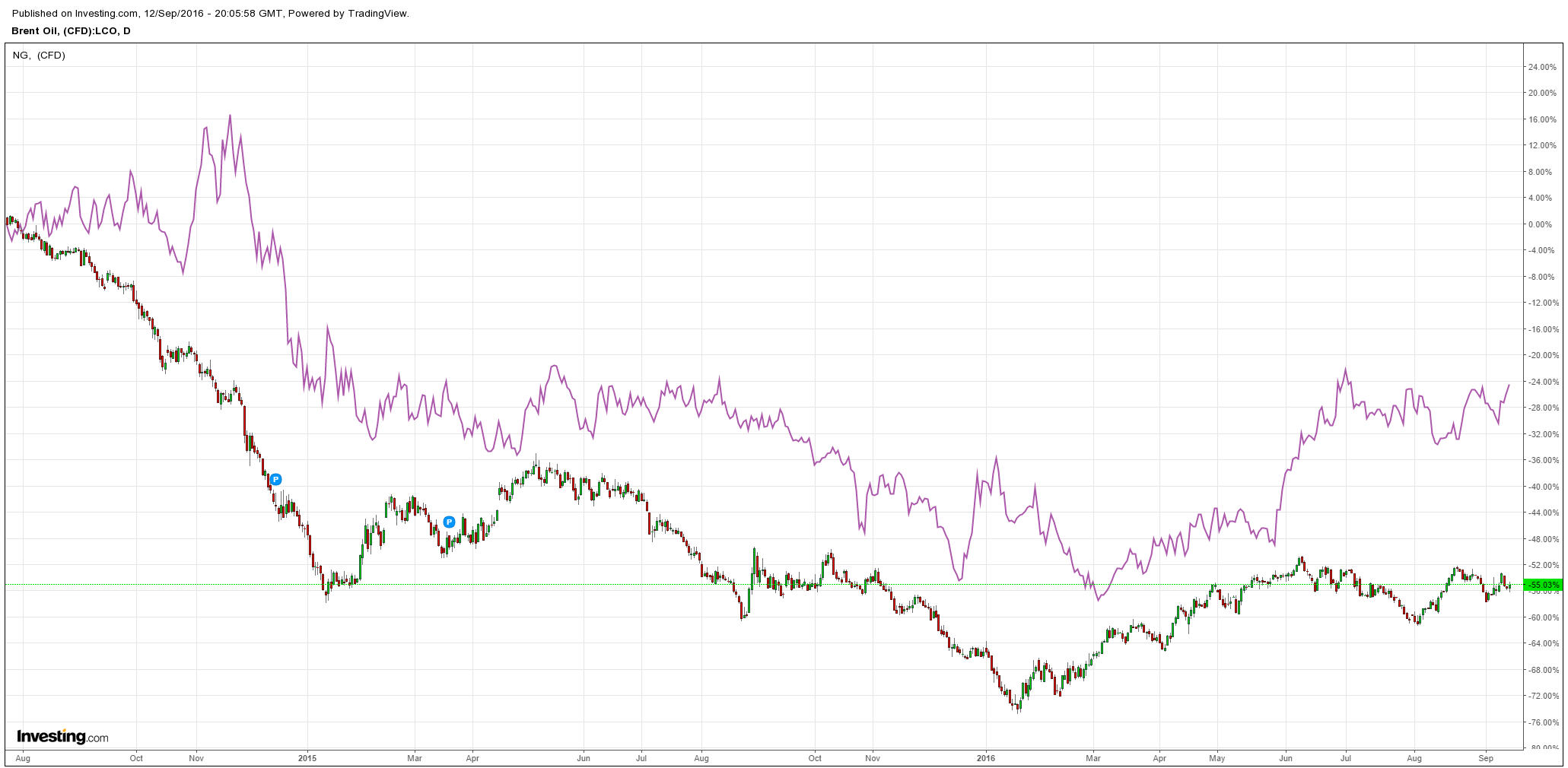
Oil jumped:
Advertisement
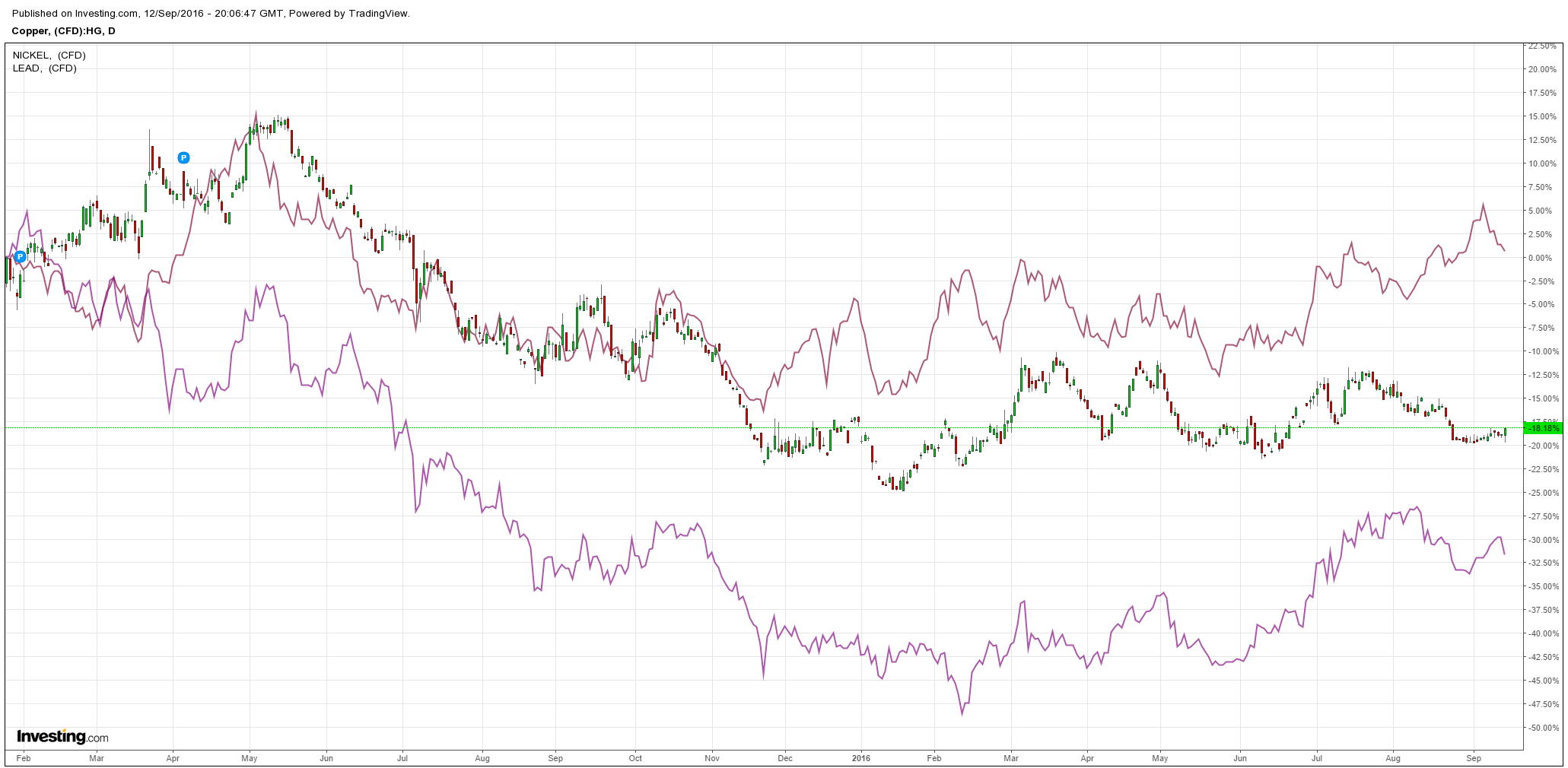
Base metals yawned:
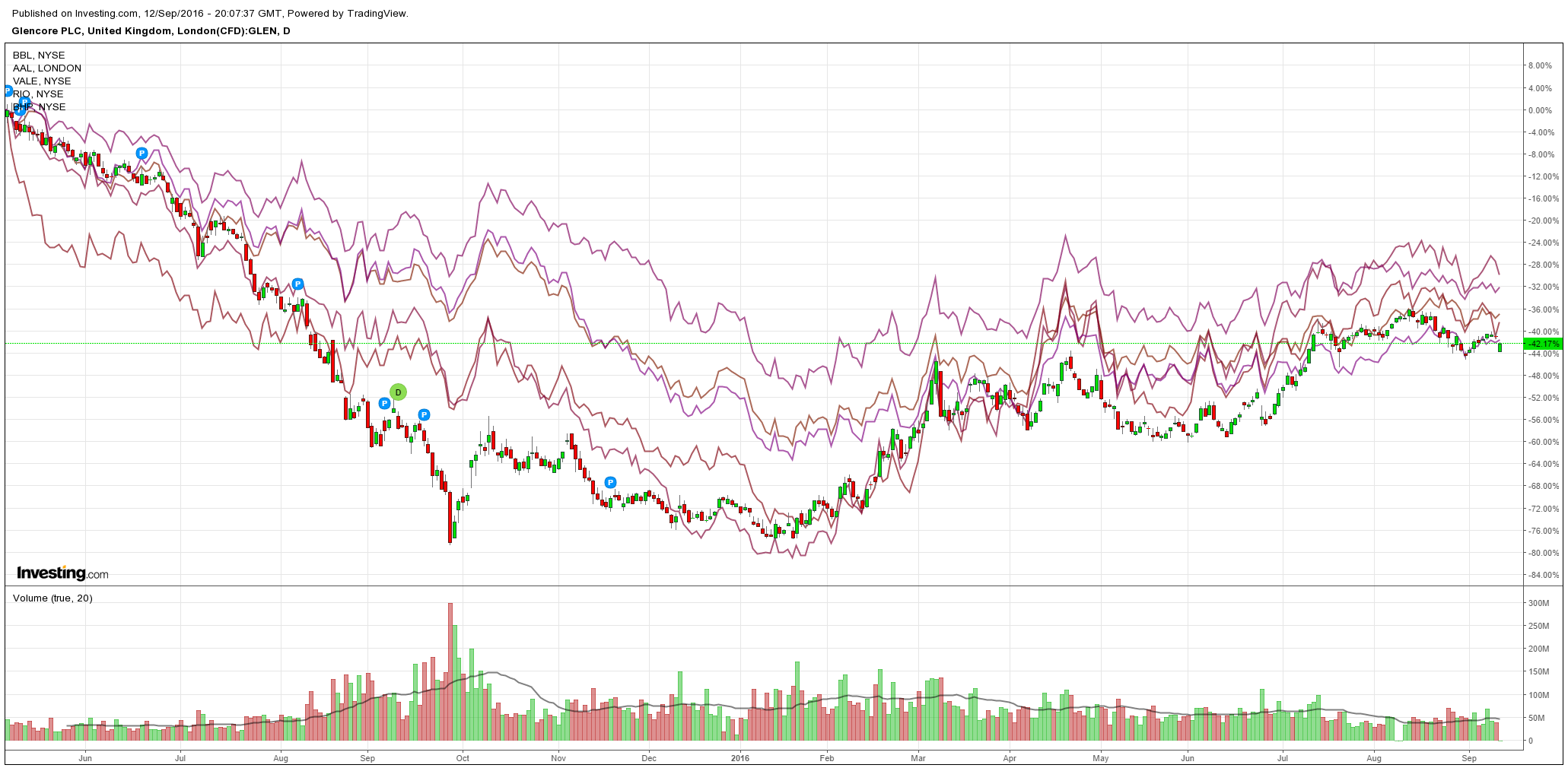
Big miners mostly rebounded:
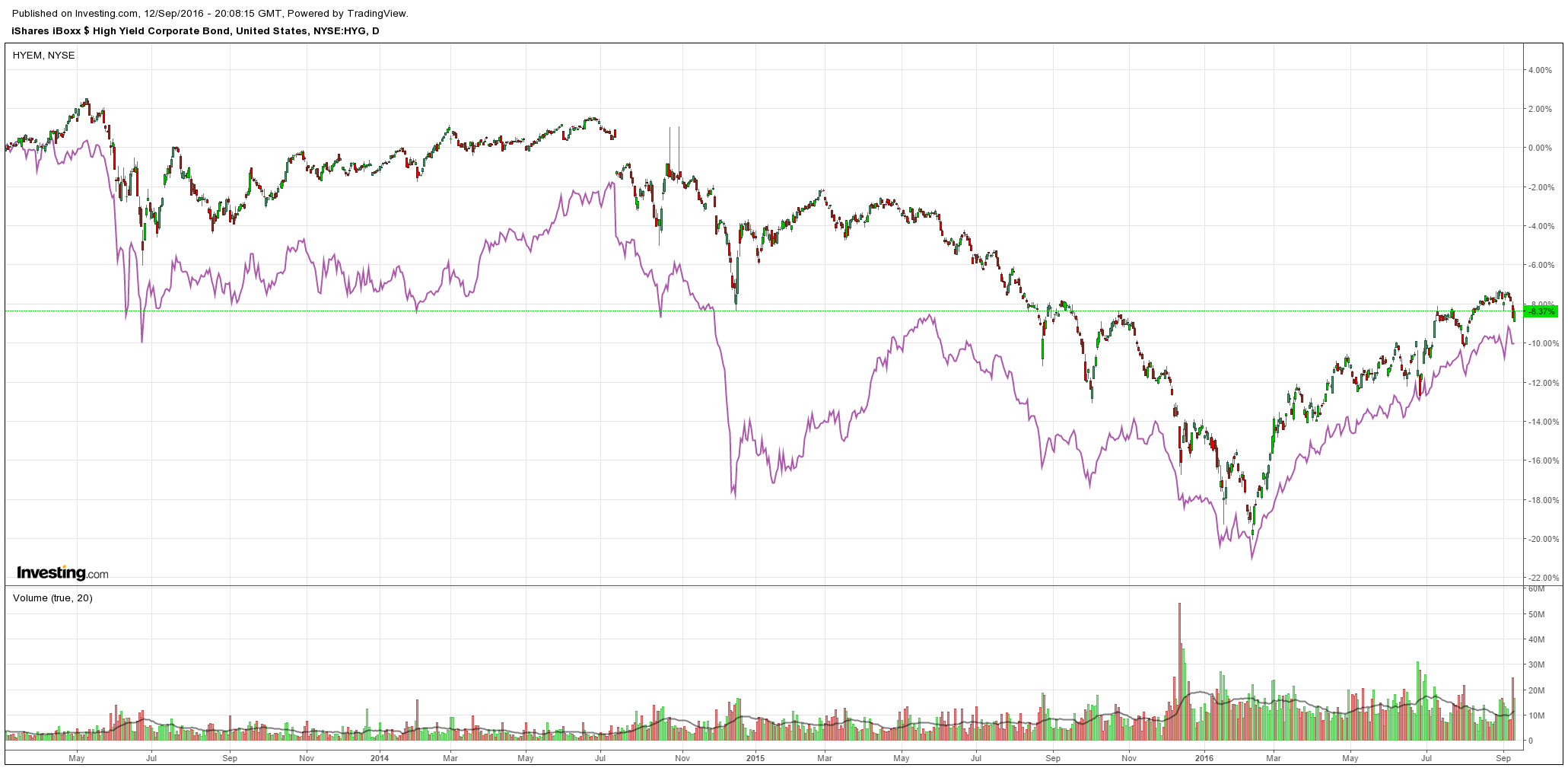
High yield slumped then jumped:
Advertisement
US bonds rallied:
Stocks partied:
Who knows whether the Fed just changed course? Brainard is a dove, always has been. Goldman still thinks bonds will back up from here:
Advertisement
(i). Bond valuations are still stretched.
Even allowing for a slowdown in the pace of activity growth during the third quarter (as our Global Leading Indicator attests), the deterioration in rolling year-ahead macroeconomic expectations has not been enough to justify the sharp drop in bond yields seen post ‘Brexit’. Over coming quarters, we expect economic activity in the advanced economies to expand at around trend levels, headline CPI inflation to receive a boost from base effects in energy prices, and the Fed to raise policy rates – an outcome we believe the market under-prices even for the remainder of this year. With this set of assumptions, our Bond Sudoku framework says that 10-year Treasuries should at least trade in the 2.00-2.25% area.
(ii). The influence of QE on the term premium is reversing.
Our empirical researchshows that a sharp decline in the term premium across all major bond markets (and the associated fall in long-run break-even inflation) can be for a good part related to the large-scale purchases of bonds by central banks in Japan and Europe, particularly at the very long-end of the yield curve.
Both the BoJ and the ECB have now put their QE operations under review in order to assess how to improve the transmission of expansionary monetary policy. There are various reasons why such an assessment is necessary at this juncture. One of them is that the sharp fall in ultra-long dated yields has resulted in costs and distortions counterbalancing the economic benefits of lower real rates. Consider that pension and life insurance companies in Europe and Japan have large stocks of defined liabilities and asset allocations skewed towards fixed income products.
When long-term rates decline, these financial institutions tend to manage down their risk exposure, rather than increase it. Similarly, the share price of commercial banks in these two regions has been positively related to the direction of long-dated yields.
Our baseline case is that low/negative rate policies and QE will continue into 2017 in Japan, the Euro area and the UK as inflation remains below target. That said, shifts between real short-term rates and the quantity of money as a policy instrument, as well as in the distribution of the deterministic central bank purchases along the term structure, can have material effects on how the yield curve is priced.
Exhibit 2 below represents the cumulative bullish or bearish impulses each of the four bond markets is independently generating, once the contemporaneous and lagged correlation structure is accounted for. As can be seen, last week’s sell-off would appear to have been mostly led by the UK and Japan. Once again, German yields are being pushed around by global factors, according to these estimates.
In Japan, our Economics team forecasts the BoJ to remain on hold at the upcoming policy meeting on 21 September and to guide markets to expect a shortening of the maturity of bond purchases. This would continue to drive a steepening bias to the yield sovereign curve.
In the Euro area, we expect the ECB to likely announce on 08 December, a shift in its self-imposed QE parameters. There is a wide range of expectations among investors over how these parameters may change which reflect both economic and legal considerations. As can be seen in the table below, our calculations suggest that the most effective and arguably politically less sensitive way for the ECB to extend their purchase program beyond March 2017 is to start buying government bonds yielding below the deposit rate, as the BoJ currently does. Such a shift would clearly steepen the German yield curve. By comparison, a shift to a market capitalization-based allocation of QE would buy less time (crucially, our calculations are based on the strong assumption that the yield curve does not move).
(iii). A bigger role for fiscal policy is creeping into expectations.
Expectations that Treasuries will adopt more reflationary policies have increased since the summer. Central bank interventions aimed at depressing yields along the term structure have enabled governments to lower their interest bill and reduce roll-over risk. This has been accompanied by an increase of primary fiscal deficits in both Europe and Japan. In the US, discussions on the possibility of an easier fiscal policy are linked to the outcome of the Presidential election. But the market appears increasingly responsive to such moves, as it considers them more effective in supporting final domestic demand when interest rates are close to their effective lower nominal bound.
Meh. None of that cuts it for me. We all know bonds are overvalued and removing stimulus will kill it. The key to any bond back-up is improving growth and inflation expectations. Fiscal is way too contained yet to do it with any purpose.
The Fed will hike or it won’t depending upon what it had for breakfast. I can only repeat that its window is short given incipient slowing in China.
David Llewellyn-Smith is Chief Strategist at the MB Fund and MB Super. David is the founding publisher and editor of MacroBusiness and was the founding publisher and global economy editor of The Diplomat, the Asia Pacific's leading geo-politics and economics portal.
He is also a former gold trader and economic commentator at The Sydney Morning Herald, The Age, the ABC and Business Spectator. He is the co-author of The Great Crash of 2008 with Ross Garnaut and was the editor of the second Garnaut Climate Change Review.