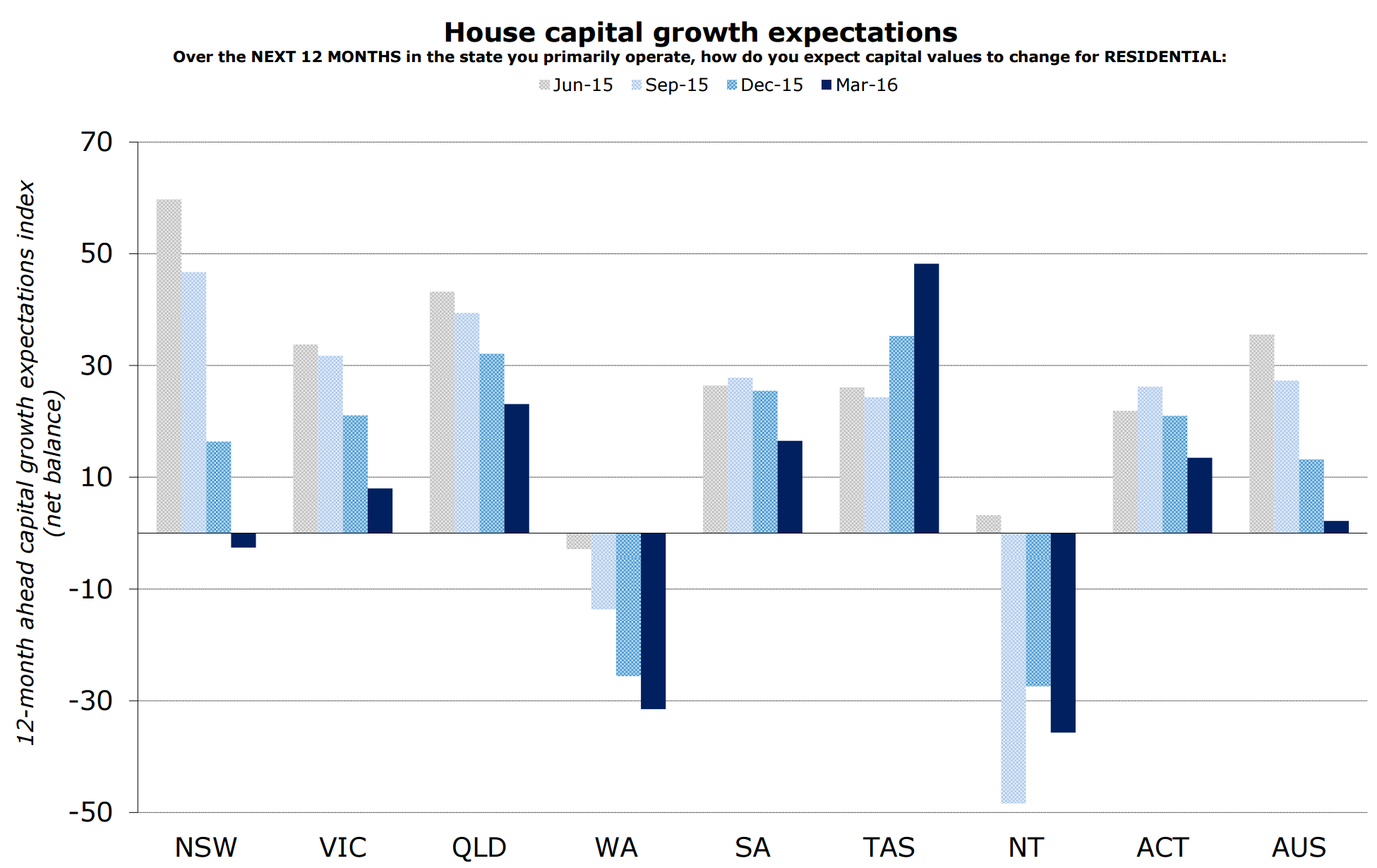
Australia’s economic outlook remains patchy, and difficult to read. On the one hand, GDP growth improved in the September quarter, with annual growth increasing to 2.5% – soft, but not too far off potential. In addition, more timely indicators of economic activity are revealing improved economic momentum; employment growth has picked up sharply and surveys of business and consumer confidence have been strengthening. Mineral exports have also provided an (admittedly volatile) boost to growth as large projects reach the production phase.
On the other hand, business investment continues to fall away sharply, a fiscally constrained public sector is adding little to growth and household spending is likely to face the significant near-term headwinds of weak income growth and much slower wealth gains, in particular through weaker home price growth. So the key question is: What does the net impact of these forces mean for Australian economic growth in 2016?
The full text of this article is available to MacroBusiness subscribers