From Rob Burgess of BS today:
As Senate numbers tighten, it is becoming clearer that Abbott’s plan to repeal the ‘carbon tax’ faces an unmovable roadblock.
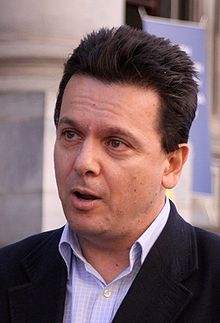
That roadblock is Nick Xenophon, who has confirmed he will be digging in his heels on Direct Action, which he has called “clunky and inefficient”. He told Business Spectator on Sunday: “I will not support the repeal [of Labor’s carbon tax legislation] unless there is a Frontier-style scheme on the table.”
Xenophon is referring to a plan worked out by Frontier Economics in 2009 as an alternative to the eventually doomed Carbon Pollution Reduction Scheme legislation that brought opposition leader Malcolm Turnbull undone, and was the beginning of the end for Kevin Rudd version 1.0.
…The Frontier scheme involves carbon trading, but cuts out the government as the broker of permits. It required companies who increase their emissions intensity to buy permits off those that manage to reduce them.
…What appeals to Xenophon about the Frontier model is that the government is largely kept out of the process, with carbon trading taking place between market participants to meet the regulations set by the government.
And Xenophon will insist on such a scheme before backing a carbon tax repeal.
I can’t see how PM Abbott can support any kind of carbon pricing given his hostility to it until now. Either this is Nick Xenophon setting his bargaining position for a post election wrangle over other issues, pokies etc, or this is a double dissolution trigger.