

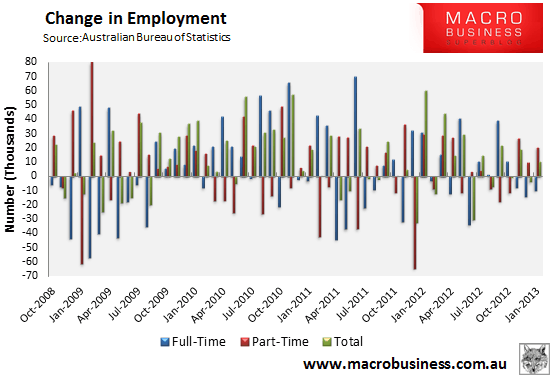
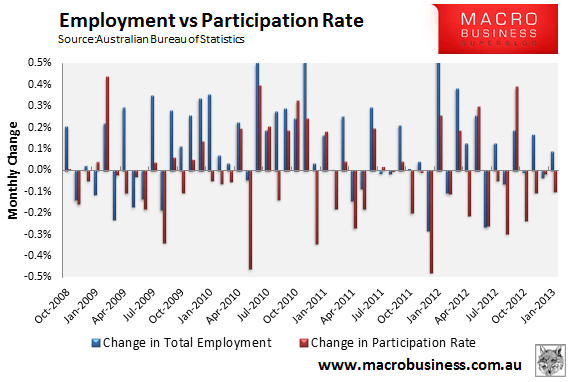
As summarised earlier by Houses & Holes, the Australian Bureau of Statistics (ABS) has released labour force data for the month of January, which reported no change in the headline unemployment rate (still 5.4%), but a seasonally-adjusted 10,400 increase in jobs across the economy, with a -9,800 decrease in full-time jobs more than offset by a 20,200 increase in part time jobs. The labour force participation rate also dipped ever so slightly (see below charts).
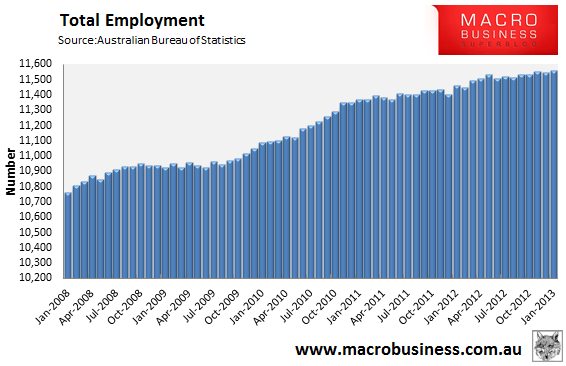
Total employment has shown only minimal growth since May:
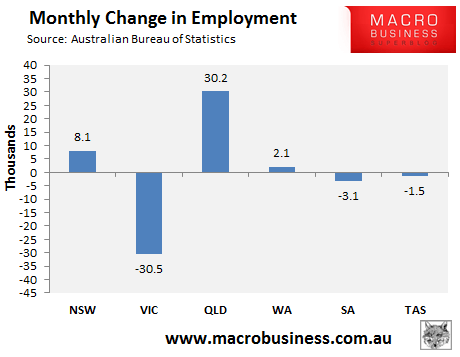
And jobs growth was mixed across states in January, with heavy losses in Victoria more than offset by gains in New South Wales and Queensland:
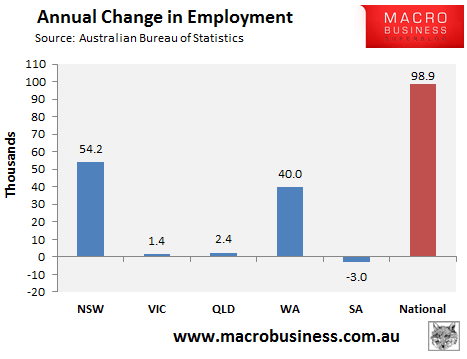
Australia’s employment market is back to being two-speed, but in a different way, with New South Wales and Western Australia dominating jobs growth over the past year and the other states going nowehere:
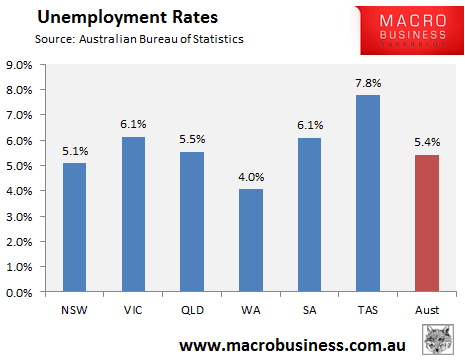
Western Australia’s unemployment rate remains the lowest of any mainland state, however, with New South Wales’ unemployment rate also holding-up well. By contrast, unemployment in the southern states is much higher than average:
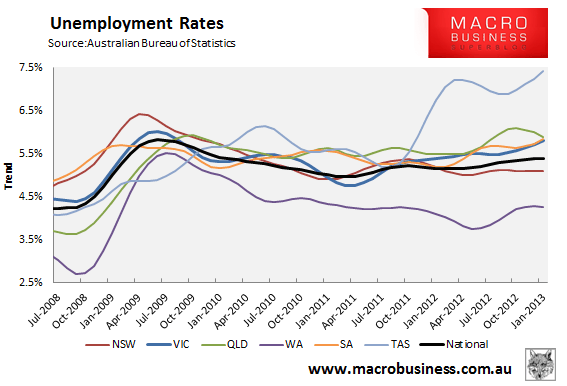
The state seasonally-adjusted figures are highly volatile and subject to a big margin of error. As such, the below chart shows the ABS’ trend unemployment rates, which shows Western Australia and New South Wales with the lowest unemployment, Tasmania with the highest, and the others practically neck-and-neck above the national average:
One small negative from this release is that growth in the aggregate number of hours worked fell -0.2% nationally in January:
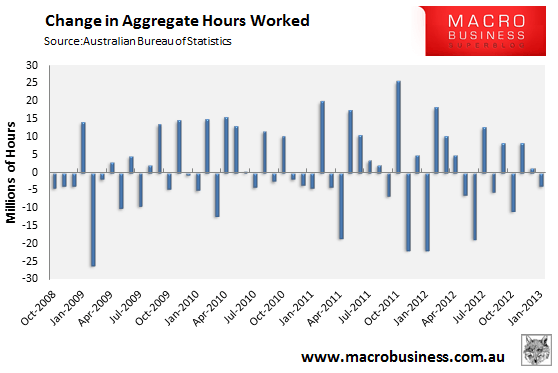
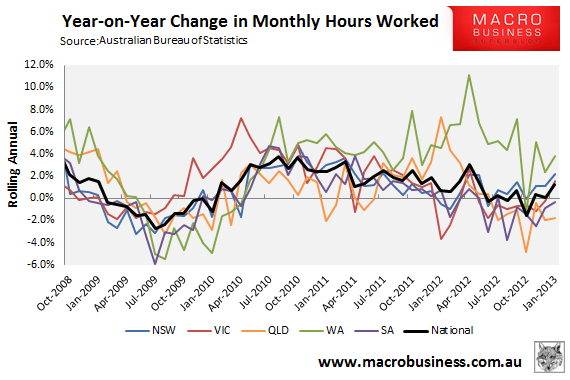
However, annual growth in the aggregate number of hours worked was positive nationally in January, up 1.1% from December to 1.2%, with all states except Queensland experiencing improvements:
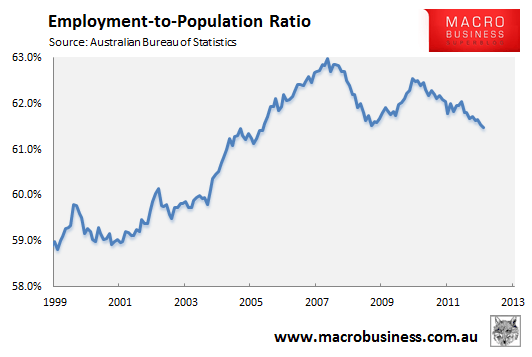
The employment-to-population ratio was also flat at 61.5%, taking a breather from its recent downtrend:
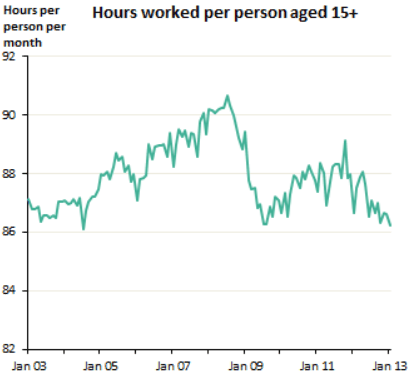
That said, according to Matt Cowgill, the number of hours worked per adult has plumbed GFC levels:
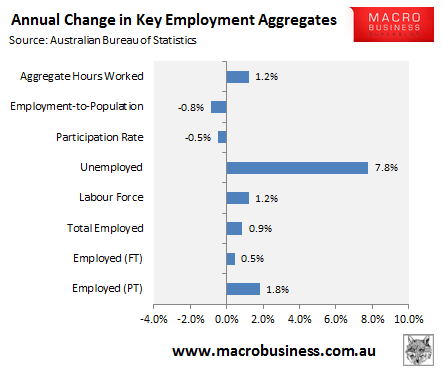
Finally, the below chart summarises the annual change in the key employment aggregates:
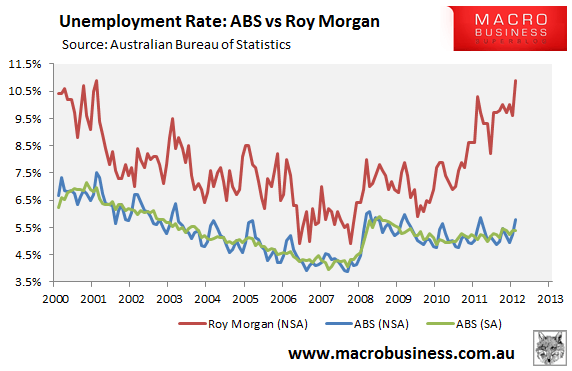
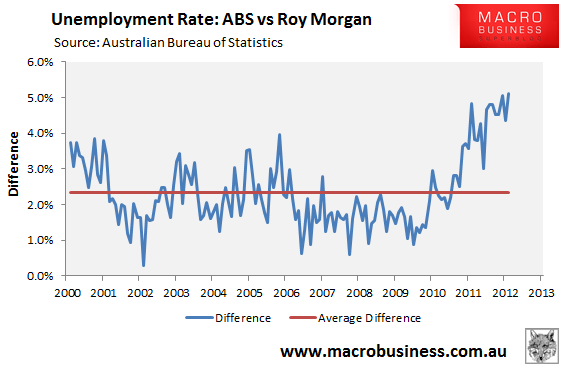
And the next charts shows that gap between the official ABS unemployment series and the unofficial Roy Morgan estimate stands at 5.1% following a 0.6% increase in the ABS’ non-seasonally adjusted rate to 5.8%:
Overall, this labour force release is a bit of a non event, which is probably a good thing given the luke warm domestic economic data released recently.
