
How fast are various forms of energy built? Here are AEMO estimates.
| Technology | Typical Australian time to operation | How quickly capacity can scale |
|---|---|---|
| Grid-scale solar | 2–4 years | 🟢 Very fast |
| Battery | 2–4 years | 🟢 Very fast |
| Gas peaker | 2–4 years | 🟢 Fast |
| Onshore wind | 3–5+ years | 🟡 Moderate |
| CCGT gas | 4–6 years | 🟡 Moderate |
| Coal (USC) | 7–9+ years | 🟠 Slow |
| Pumped hydro | 6–10+ years | 🔴 Slow |
| Offshore wind | 6–10+ years | 🔴 Very slow |
| Nuclear | 10–15+ years | 🔴 Extremely slow |
It’s pointless noting that we need energy fast while demanding a mixed energy grid.
Renewables plus battery/gas peakers are the ONLY fast-build energy sources.
LVO’s logic is absent on this issue.
Data centre companies are ‘in it’ to make money. If they believed that renewables were the most reliable and cheapest form of energy supply, they would build them of their own accord.
Instead, we have seen data centres globally use on-site gas and diesel generators to ensure supply stability. Why? Because renewable energy is weather-dependent and inherently intermittent.
Some data centres have also been restricted by bottlenecks in grid-supplied power. Therefore, they have opted for on-site generation, typically gas or diesel.
The reality is that data centres require a stable 24/7 power supply that is incompatible with the near-fully renewable grid planned by energy czar Chris Bowen.
First, construction speed is a primary concern for data centres. That is why they are bolting jet engines to the ground and running them as gas turbines in the US. Because it can be done in months.
Second, what is this “fully renewable grid” LVO references? AEMO says Australia will need to double its capacity for backup gas power to 12GW by 2050. The answer is at least another dozen gas peakers.
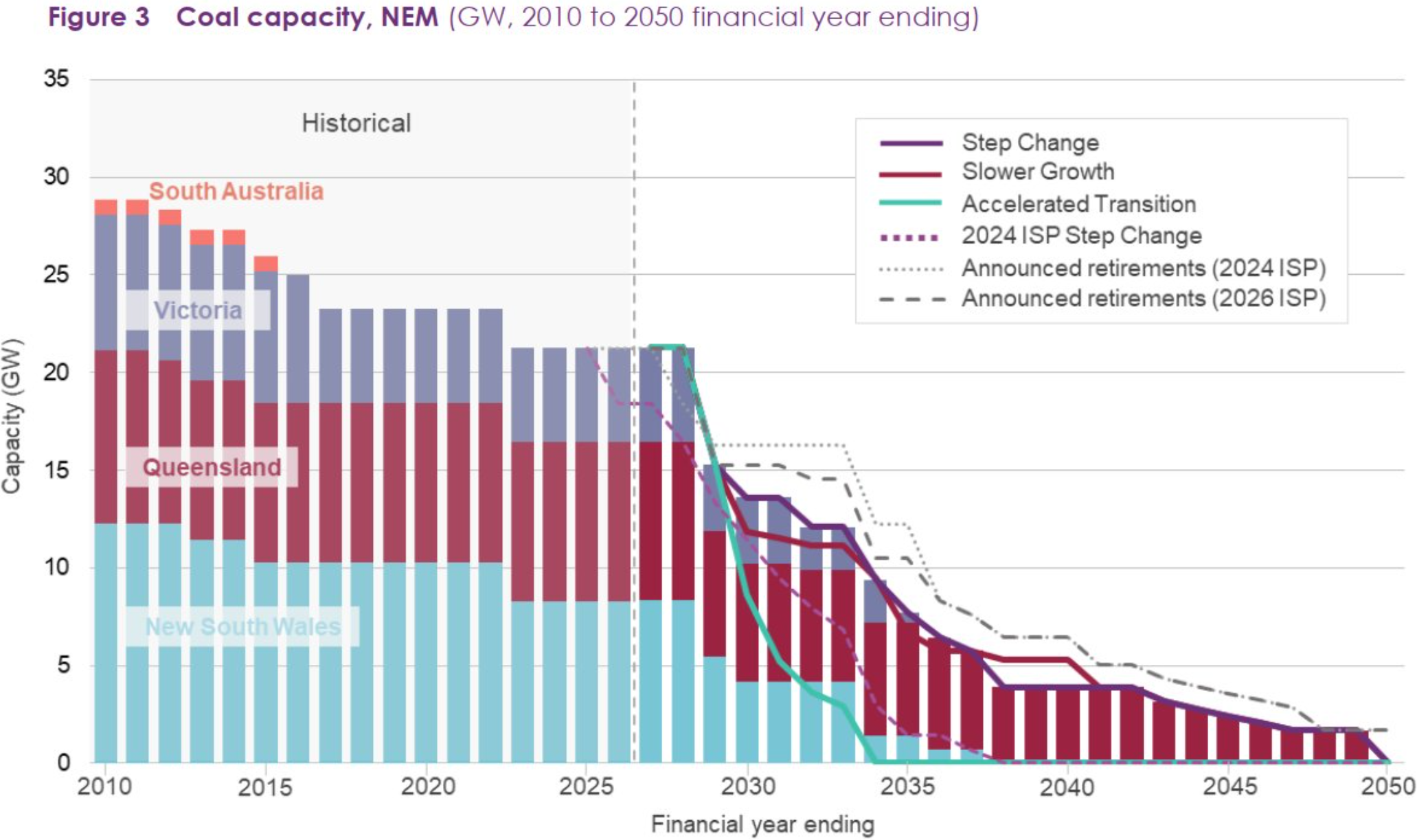
Third, the chart LVO keeps pointing to for coal retirements corresponds with the end of their natural lives. Sure, they are squeezed by cheaper renewables, but they are also clapped out and their output must be replaced anyway.
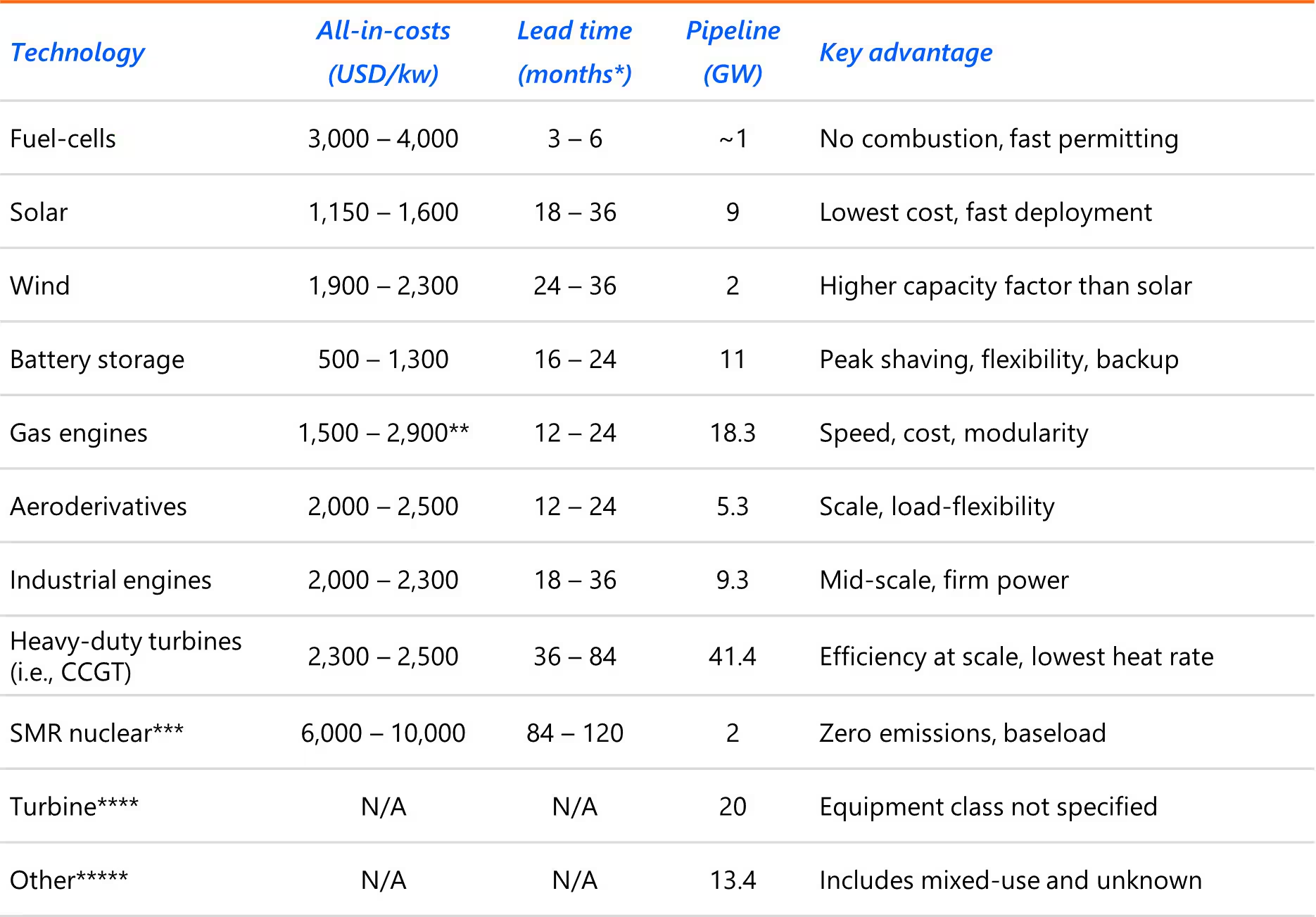
In the US, where the race to power data centres is far more intense than here, gas, batteries and renewables are the only short-term solutions. There’s bugger all of anything else.
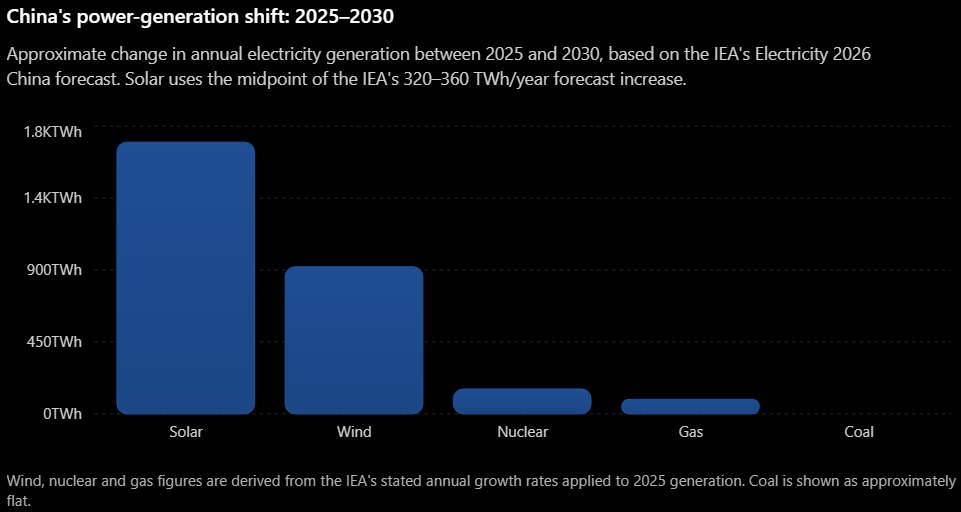
Fourth, it is illogical to demand more power while insisting on an expensive mix of overbuilt technologies such as from China’s centrally planned and unprofitable energy model.
That said, even Chinese bureaucrats know that the most competitive new power capacity comes from renewables and gas.
Chinese nuclear is small for now, but it is planned to grow aggressively and will help displace coal in the long run. China has substantial uranium reserves and imports from within its sphere of influence.
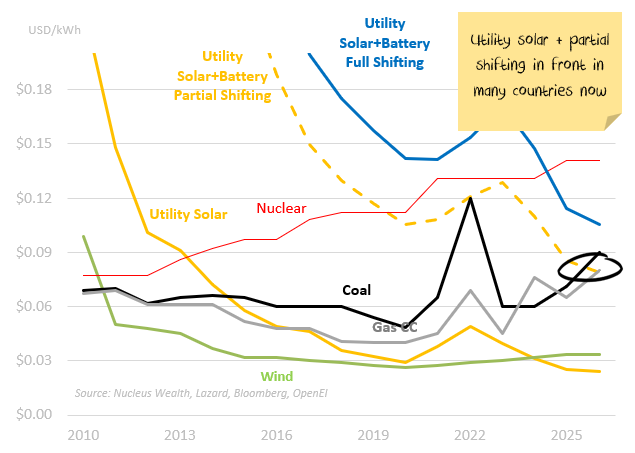
As I have said for nearly thirty years, we need cheap gas. This issue is the major bottleneck in the energy transition, whether the power is for data centres or for you.
The most important step we could take is to install a gas domestic reservation to bring prices down.
As for the QLD government fighting Chris Bowen over data centre power, both should shut up and let the data centres build what they will.
The data centre energy mix will be a combination of behind-the-metre renewables, batteries, and gas unless forced otherwise, and it will add more capacity to the grid.
As Leith says, speed matters.
