
‘Elite’ belief has left the building for service and leader ‘Integrity’

Belief in Australian ‘elites’ has left the building
In contemporary Australia, almost everyone can identify a festering economic grievance.
House prices are certainly insane and need to come down. But those who own them or hold them in fief for a bank and bought them on the way up are terrified of house prices going down. They are, more pertinently, almost as terrified of house prices ceasing to climb the way they have done for about 30 years.
The old Australian certainty of affordable housing reached a fork in the road, and policymakers chose the high-house-price road. The political problem is that nobody told the electorate, who now bear the problems resulting from that decision.
We will come back to things nobody has told the electorate
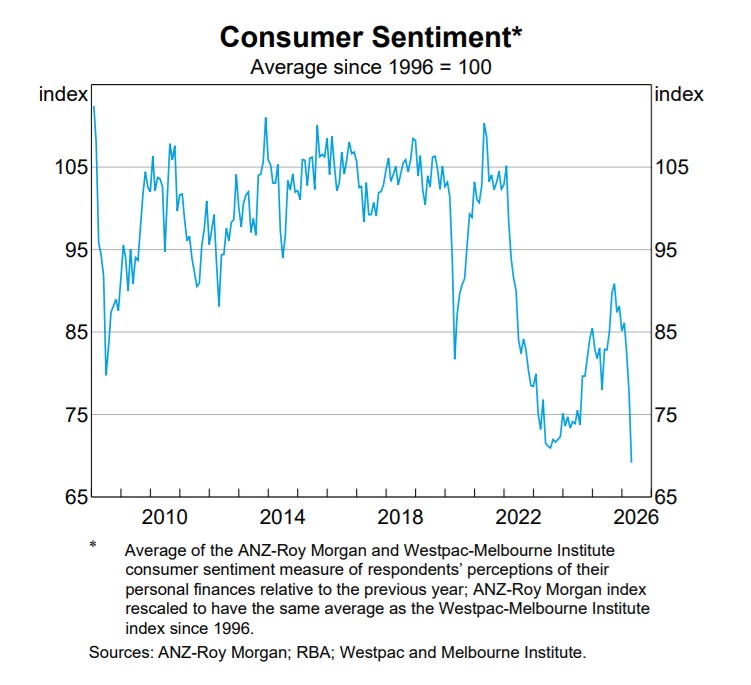
A nation driven by consumer spending has consumer sentiment at all time lows
The other issue of the moment is prices – for almost everything. They are rising, and sometimes they are rising fairly quickly. Then there is the Donald factor, which is likely to lead to further price rises in the road ahead.
Fruit and vegetables have risen sharply since the end of Covid, now five years ago. The same is true for meat and most other groceries. That electorate which was sold the “rising house prices is good for us” pup has major questions. They will largely understand that farmers also need to make a living and have costs, especially for diesel. But the costs for what families in the suburbs put on the table have increased significantly.
Everyone agrees rising dinner costs are a problem. Increasingly, families in the suburbs must decide what they can afford.
This isn’t the Australia we thought it was. This isn’t the Australia people thought they were coming to either. But in a land which grows more food per head than almost any other, and which not long ago gave the world a lesson in dining out of home affordably, we seem to have a situation where families are looking for eating bargains and use-by dates, and restaurants are starting to call it a day.
But it isn’t just food either.
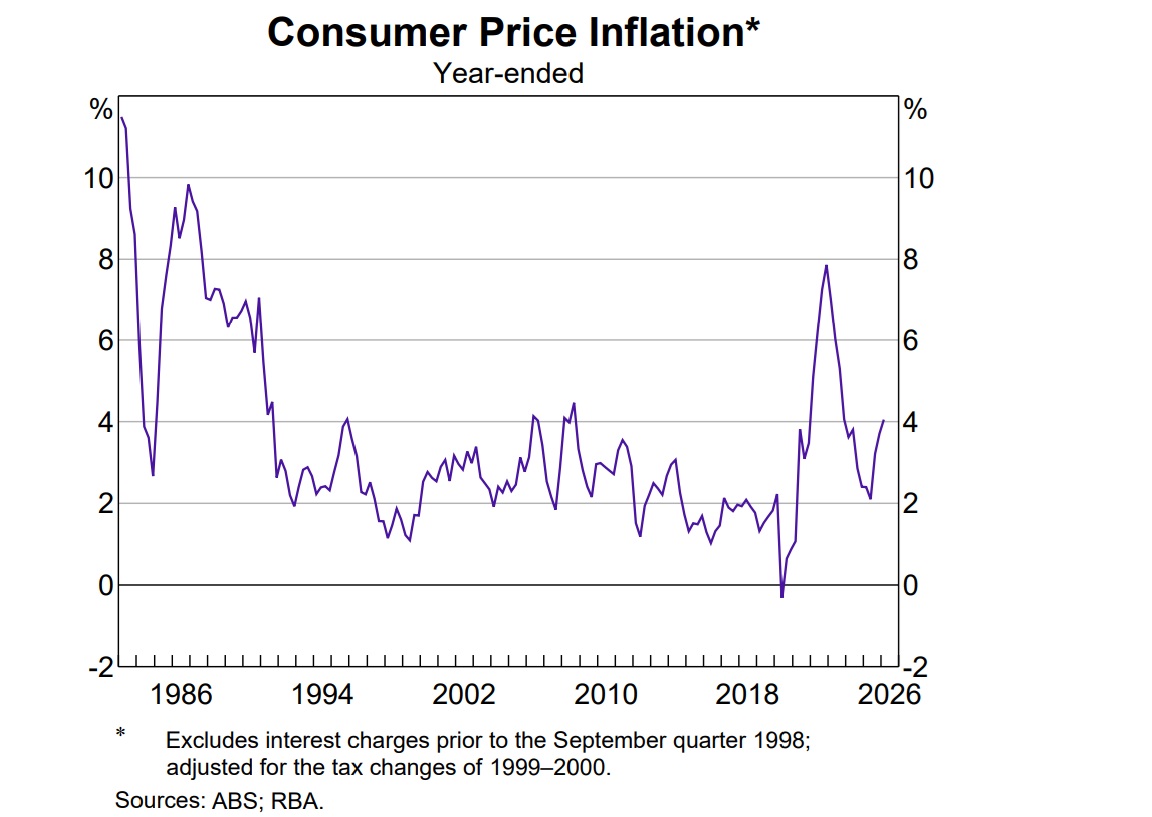
Australian inflation is back at 1980s levels
A nation which had cheap energy in the post-WW2 era has thrown it all away. The electricity bills of the last decade have increasingly been an exercise in outrage management for recipients.
A nation which was told ‘cooking with gas’ was cheaper, cleaner and supported Australian jobs is now thinking gas is dirtier, vastly more expensive and almost certainly supports jobs elsewhere rather than here.
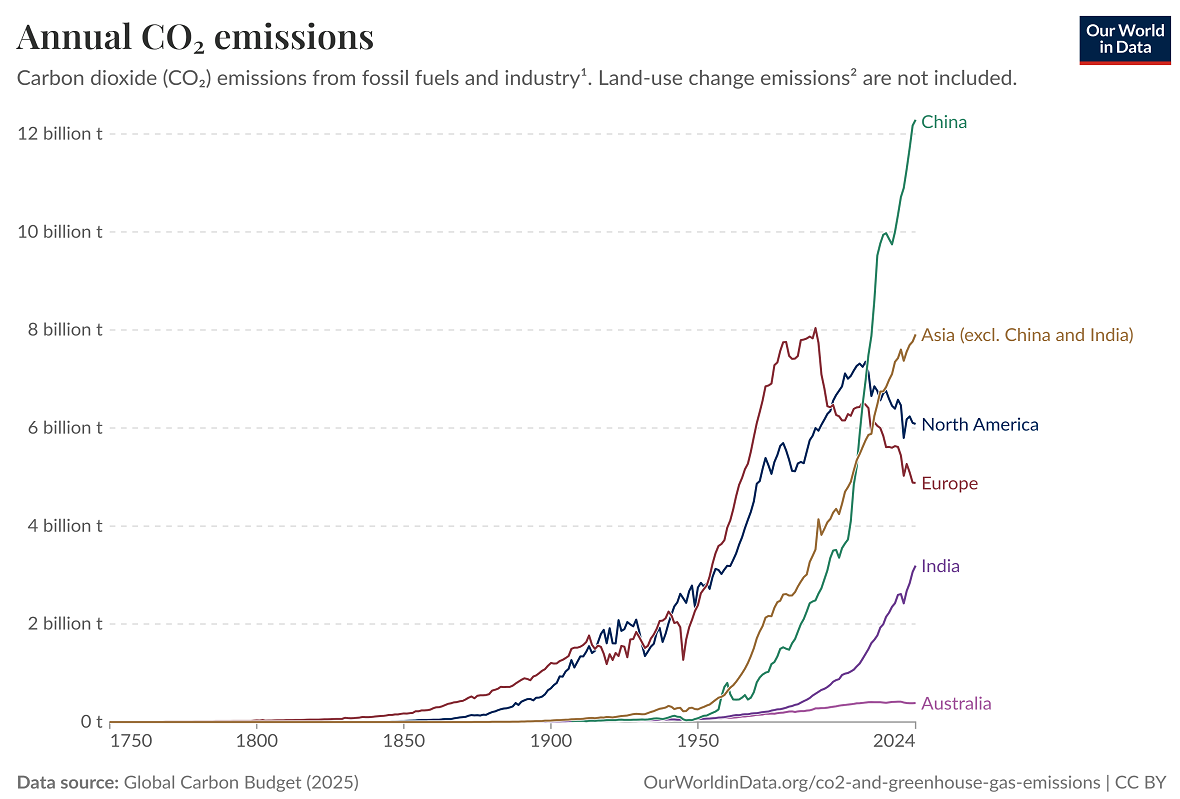
People understand that using hydrocarbons to generate energy has a carbon cost and a climate impact. But they are aware that Australia is accountable for about 1% of global emissions and that we could take a gold medal for green transition and have sweet FA impact on whether the world meets emissions targets and fends off the prospect of human-induced climate catastrophe.
They are also aware that the really big carbon emissions are coming from the nations to which Australia sells its gas and coal – and that Australia is generally the cheapest supplier of gas and coal to these. That makes us, as a people, A-class hypocrites.
Then there is an array of transfer pricing and long-term contracting mechanisms that implicate themselves in the return to Australia and the link between the marginal gas price and the marginal electricity price. That also means people on the streets are being creamed for their energy.
Far too many plausibly observe that in addition to being A-class hypocrites, we are A-class idiots and have A-class policy idiocy.
Someone, somewhere in Canberra, Sydney or Melbourne, in politics, the public sector, or the corporate world, has decided on a circumstance where gas is regularly cheaper in Japan, which we export to, than in Australia, where it comes from.
That same someone, or those same someones, has/have decided that it is fine for Australia to have amongst the world’s most expensive electricity. And those same someones have decided it was just fine for large corporates to outrageously minimise their taxes and sell under contracts enabling resale by massive purchasers.
Those same someones have looked the other way while Japan turned the global gas market into a casino and started betting against the house of its largest supplier.
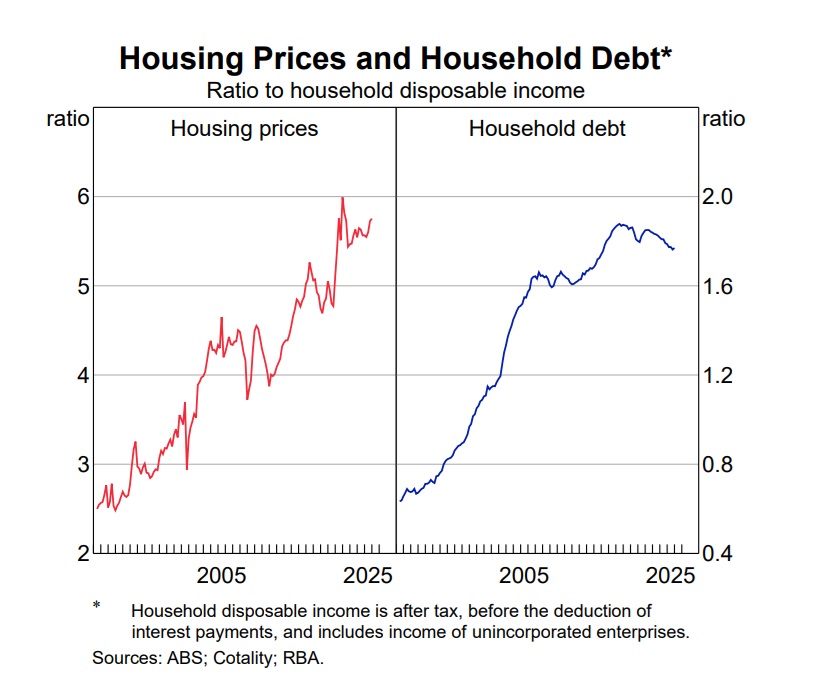
In a nation where debt has risen with and driven rising house prices, rising other prices becomes a much bigger issue. Our elites gave us the house prices and the debt.
That’s another thing Australians have never been told. All of those someones involved have put it in short steps, upholding Australia’s national interest.
But the most infuriating thing about those energy bills isn’t so much the actual cost of the energy. Most Australians will adopt an ‘if that’s what it costs, then that’s what it costs’ attitude. It is the service charges.
Service, and what it costs or means, is at the heart of the disconnect between Australians in the suburbs and the people who have made economic policy decisions on their behalf for a generation. Their services have become so expensive that they are of little interest to the rest of the world, except when it comes to the exploitation of resources in Australia.
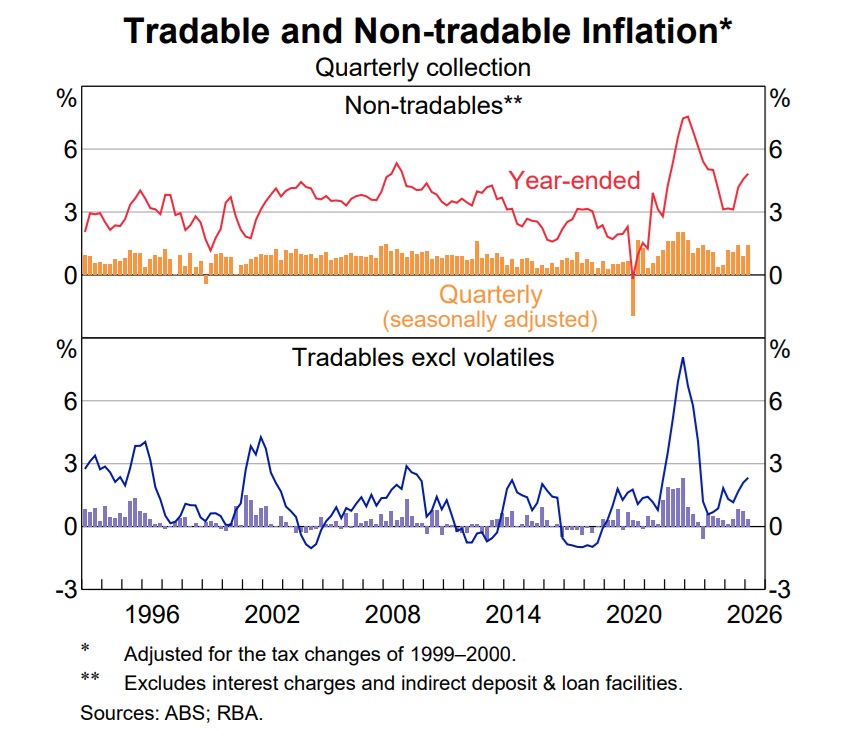
Both tradable and non tradable inflation is creaming Australians
The service they receive, however, is all too often confusing (see energy bills or insurance provisions), invariably expensive (water, internet & electricity bills), often related to no discernible service apart from setting up a revenue stream for a corporation; and far too regularly is delivered by either chatbot or person located offshore and delivered unintelligibly, as well as straitjacketed by customer service rules about what customer services staff can relate. All too often, the service is at variance with what customers want.
To make matters worse, the observable fact is that all too often the public services have opted for the same style of service. The customer is pressured into agreeing to renew or leave. Job done. KPI met.
Does this motivate people to want something different?
Far too often, the lived experience of Australians is that their ‘service’ is not about providing answers to whatever customers want to know. Far too often it is about upselling them, or trying to channel claims or questions into a menu of standard responses, or speciously decrying that they don’t have the answers or advice being sought, or ‘escalation’ to some mysterious other level of response, or stating that another section or branch or line should be accessed.
Far too often, it’s little better than sending an automated exasperating email asking how the service has been. Far too often, these responses come from people who are either not in the country or have not been here long enough to have a command of Australian English.
The perception is that these people often don’t know the context of the issues we bring to them and the answers they provide, and that they are there to act as a human shield for the organisations they are the point of contact for, and the managements above. And that perception stands for both the private and public sectors.

Is the person taking your call someone knowledgeable trying to help you, or an idiot ensuring you cant ask pointed questions?
It is a nation where large numbers of people pay for online services – whether for virus protection, access to a site, or other types of online services – only to discover that they are billed monthly afterwards, turning these services into a revenue stream. That sort of experience teaches entire electorates to searingly question a lot of what is asserted to them in their day-to-day existence.
The costs of housing, living, energy and services are a daily irritant for large numbers of Australians. Into that dynamic, we can plug numerous other irritations – crowded social infrastructure for starters, but education costs would also get a run. All of this adds up to the perception that we are handing future Australians a far shittier world than the one we were handed. And with that observation goes belief in the country and the future itself.
If we don’t think our country is on the path to something better, and we don’t think we are handing over something better that will give our children better opportunities, then the questions about our experience today will only become more trenchant.
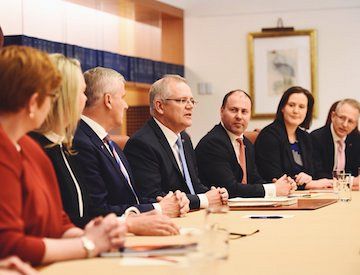
Just how credible were these guys?
It is that trenchancy which finds our politicians wanting. It is that trenchancy which caustically applies to every last business identity exhorting us to do something or another.
It is the same observation to be made of every senior executive of the public service smarmily going into the public domain to exude certainty about ‘integrity’ and the air of ubiquitous ‘national interest’ when Robodebt, inter alia, exposed the public sector for being well-fed ideological lapdogs whenever ideological ugliness requires. National interest is the ghost in the room, and integrity is for fools to be exploited.
All too often, the suspicion is that our leaders – be they political, corporate or bureaucratic – aren’t that far from the online service providers who turn up in our bank statements months after we have thought about them.
They sell us something cheap and then use our ‘mandate’ as a revenue stream for whatever they really want to do, or avoid, until they need our mandate again. Sort of like a ‘dynamic pricing’ model applied to national decision-making.
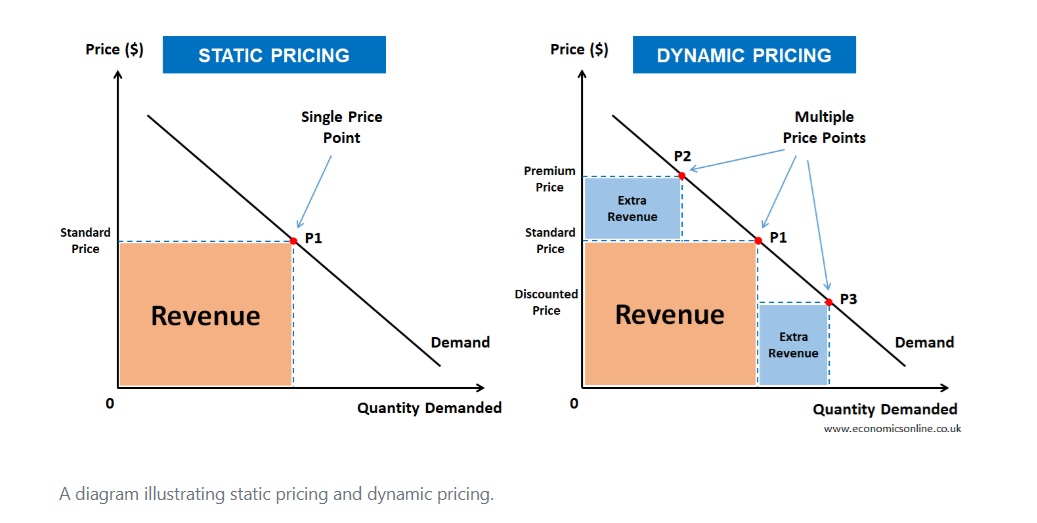
If we think of political credibility as like revenue for a business, would we increase it with more touch points?
And the ‘Integrity’ they embody.
Is that the Integrity of those who would weasel word their way about whether they were in the room or some form of influence about national corruption investigations? Or those flying family, or organising visits to ensure maximum entitlements for themselves? Or signing off on the demolition of sacred sites or heritage-listed buildings before anyone twigs? How far is that from the charging error that always seems to favour the biller and not the billed?
Is that where Australian politics and administration are now?
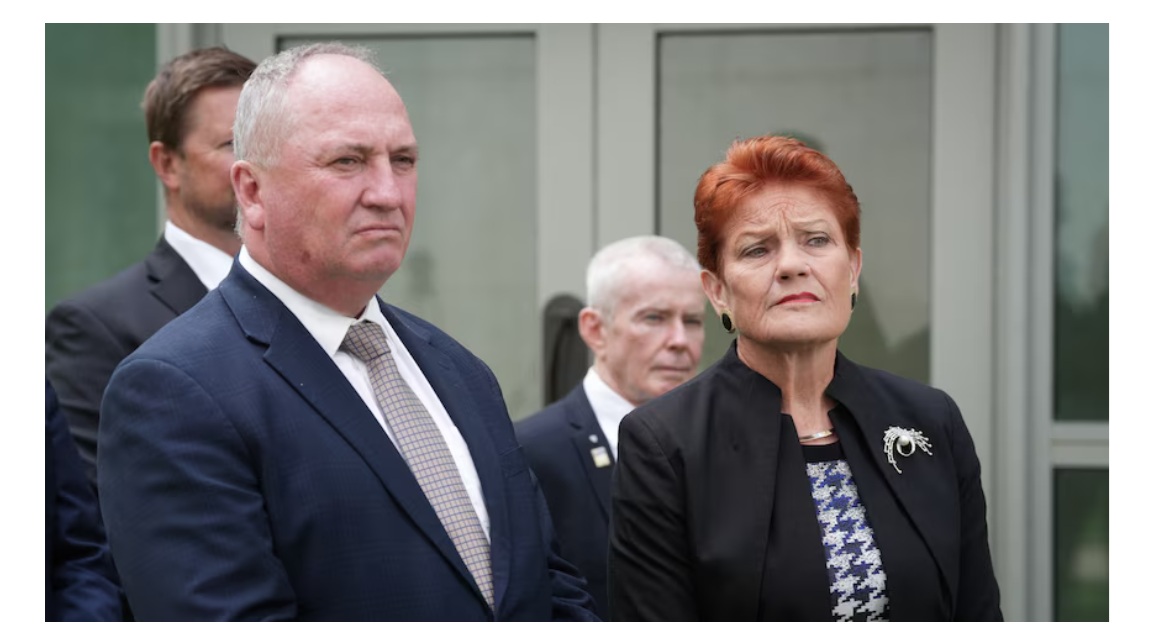
Should we give these guys the once over?
The rise of One Nation, which seems to be generating equal portions of ridicule and fear in our mainstream media, should be seen against this backdrop. A nation that has been shafted by its own elites – in terms of housing, prices, energy, and more – has concerns. Those who have delivered the shafting are both averse to accountability and bereft of ideas. Their sense of entitlement and expectation of respect are often narcissistic and far beyond what Australians would respect.
Their priorities might differ from those of the people who put them into power and pay their globally ostentatious incomes, whether due to personal aggrandisement or ideological conviction.
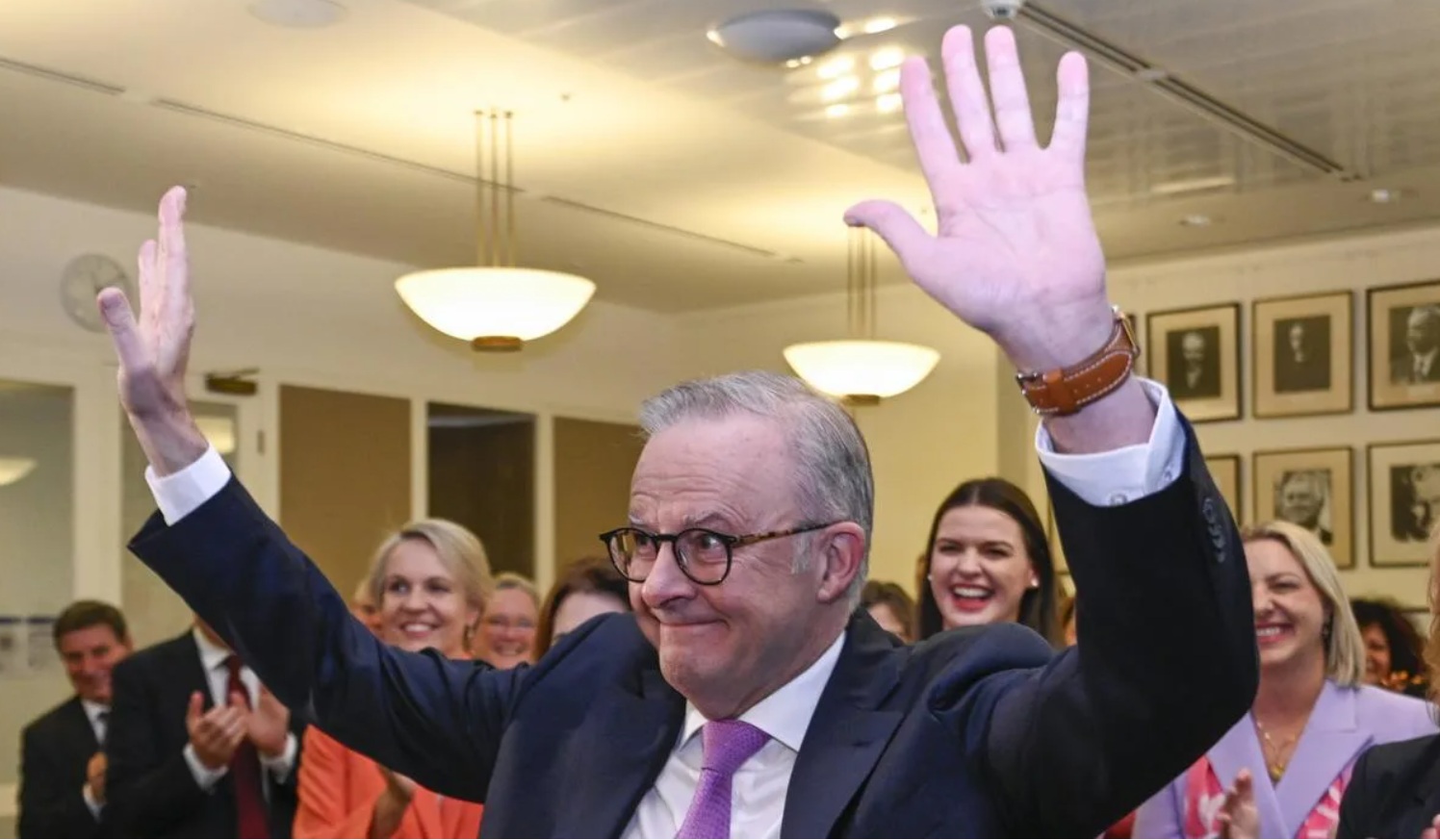
Do we find these guys credible?
This is why Australians are increasingly considering a party that has been ridiculed since the 1990s. If Australians are paying for it, and it isn’t delivering what they want with either red or blue branding, then why not try the other?
If people in the burbs are thinking that their nation is kicking the can to a debt-strapped future for their children, in a society where human bonds have become contracts and service level agreements, then why not try the other?
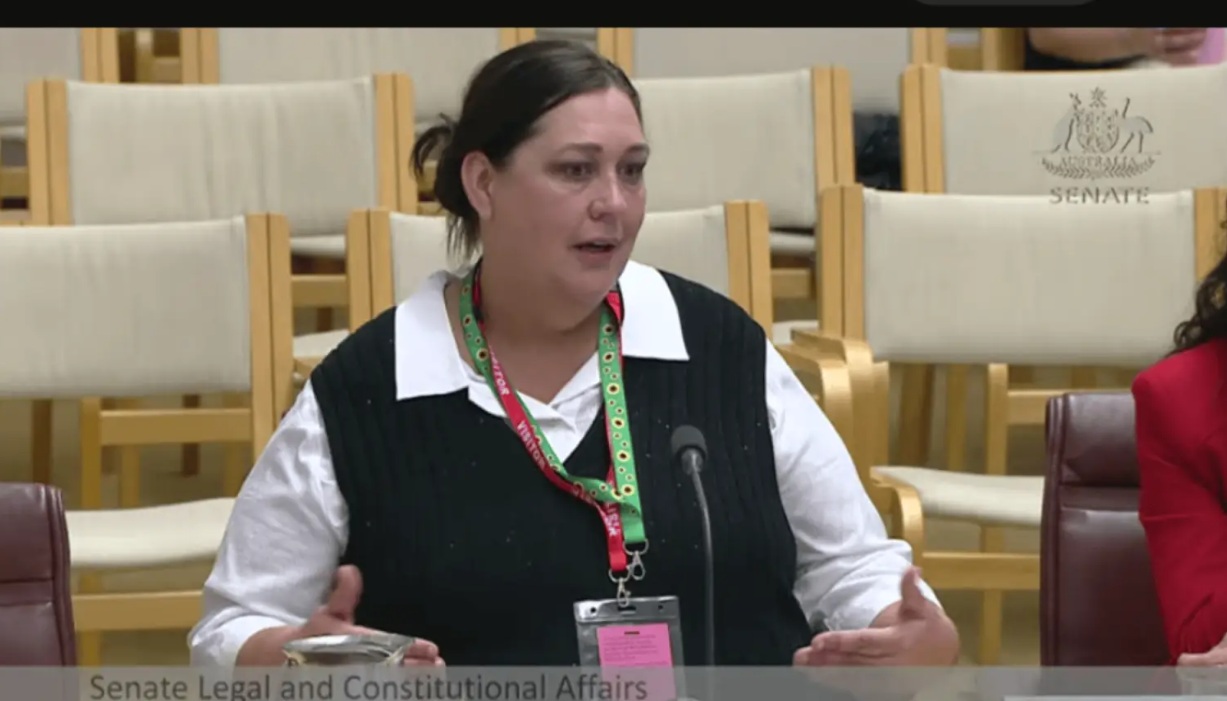
Do we want public servants to call out bullshit when they see it?
If a nation that is more than 85% European by origin and heterosexual by gender preference thinks the political and administrative process is prioritising others, then why not try the political other?
The answer, of course, is that the other may actually be a collection of nutters and single-issue ideologues who don’t stand a hope of effecting change.
But that doesn’t mean Australians are wrong to consider options beyond the mainstream.