
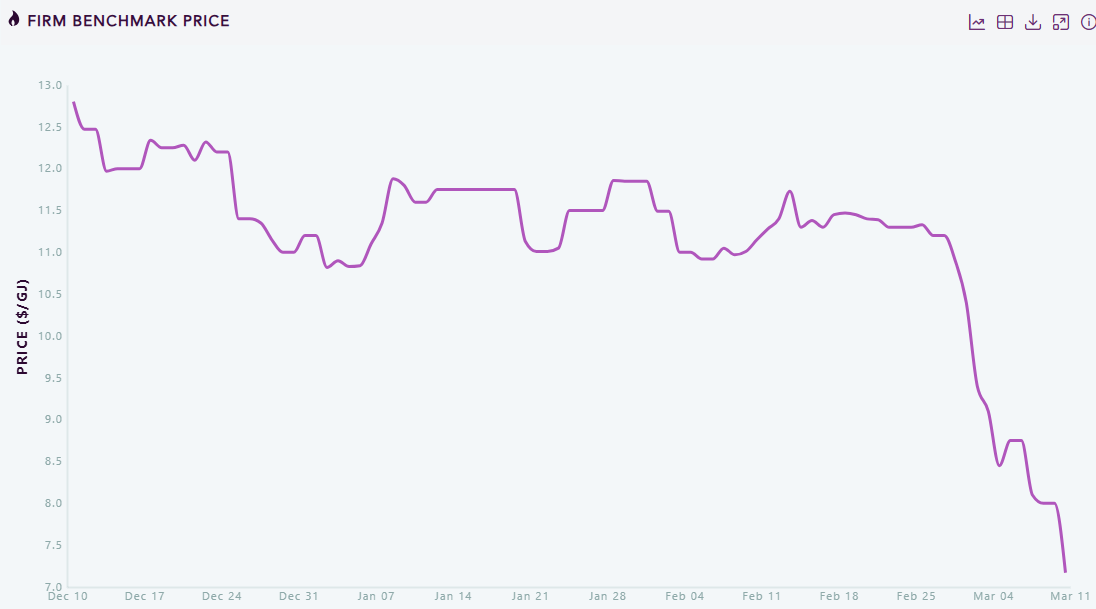
Yes, you read that right; the Australian gas price continues to crash.
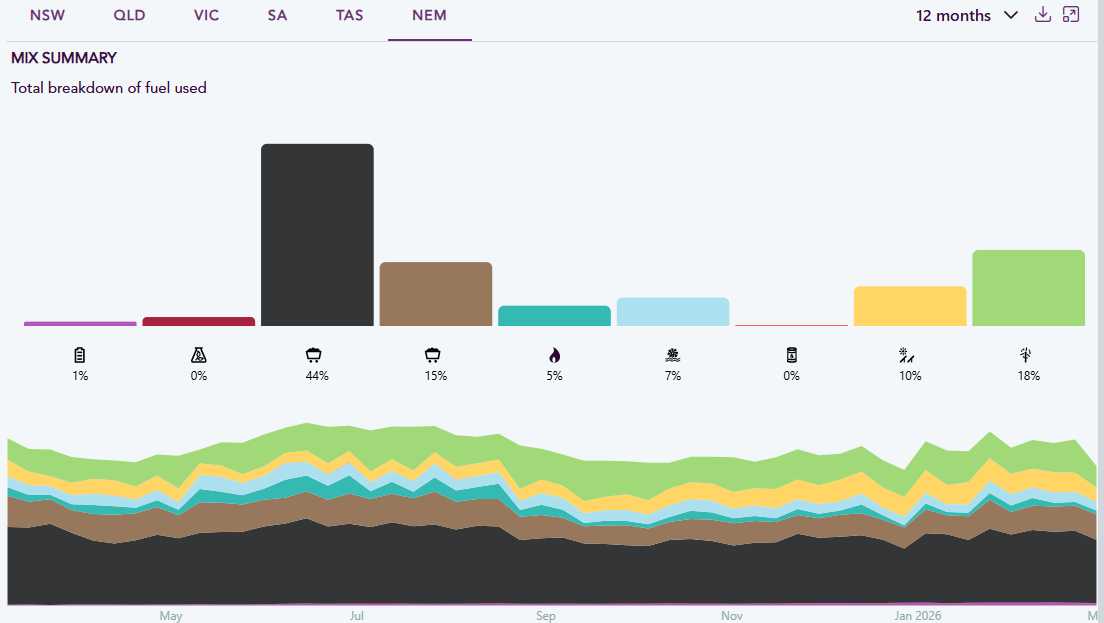
Electricity demand is down sharply year on year, which accounts for some of it.
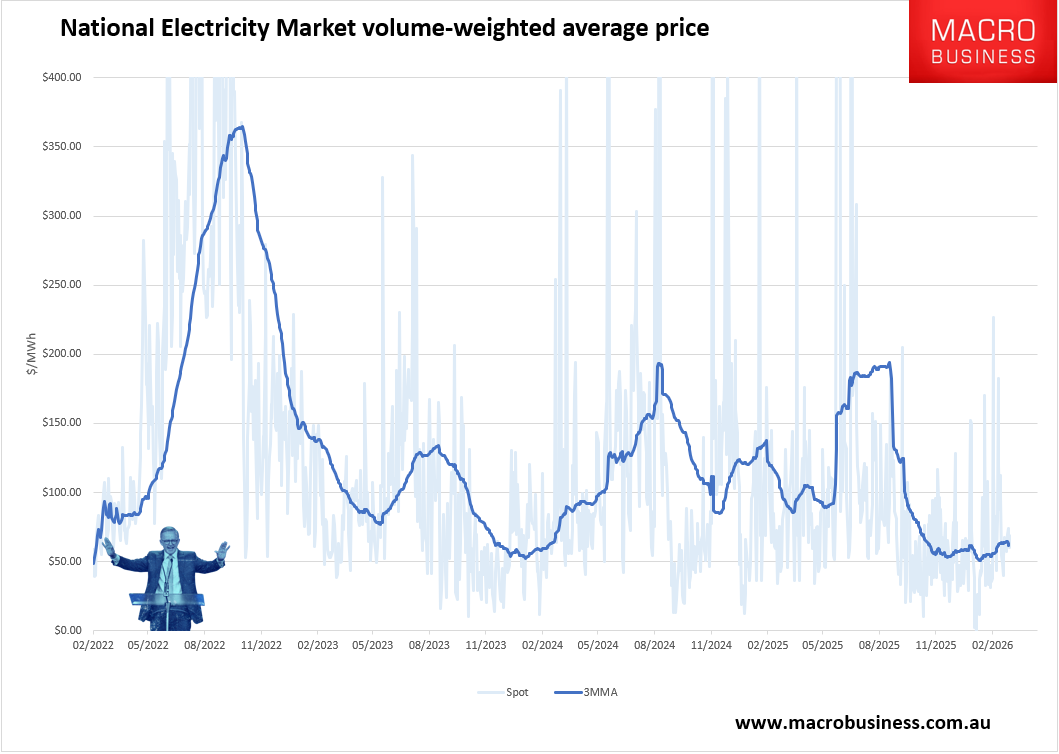
With gas prices crashing, power prices are flatlined.
However, the Asian price for gas is still about $22Gj, so there is a lot more going on than favourable weather.
I have argued for the past week that the gas export cartel has shifted its rent-seeking strategy.
It has no intention of repeating the local gas price shock it gave us during the Ukraine war. It knows the policy backlash would have to be harsh this time.
What it is doing instead is focusing on keeping the local price low while steering the government away from applying a super-profits tax to its offshore war-profiteering.
We know this because the cartel’s number one propaganda foghorn; the corrupt Grattan Institute, proposed just this last week.
Today, there is some fightback from other expert commentary that is not a paid-up shill of the cartel.
Research fellow, Centre of Policy Studies, Victoria University, Professor, Centre of Policy Studies and the Impact Project, Victoria University and Deputy Director and Associate Professor, Centre of Policy Studies, Victoria University write today that any such super profits tax should include all gas sales, domestic and international, and, moreover, the proceeds should flow to households to protect them from the oil shock.
Their modelling suggests that a short tax on windfall profits in the energy sector would be effective.
Gas exporters can make exceptionally high profits when the price of energy rises globally.
These are sometimes referred to by economists as “windfall gains” or “scarcity rents”, they note.
But, owing to the foreign ownership of a large portion of Australia’s gas industry, a sizable portion of these earnings are exported.
Without undermining the federal budget, a short-term tax on windfall earnings during energy shocks may capture some of these gains and reroute them to assist households with rising energy expenses.
Due to disruptions in the Middle East’s supply, gas prices have also increased globally, they argue.
Asian countries are the primary market for Australian gas. Both increased oil-linked LNG contract prices and higher global LNG prices are advantageous to LNG exporters.
They argue that this bolsters the economic case for a short-term windfall tax at a time when Australian consumers are struggling with rising energy costs and living expenses.
I can only agree. However, I must note one important caution.
Australia’s strategic fuel reserve is so low that any extended blockage of the Straits of Hormuz will simply exhaust supply within weeks.
Keeping petrol cheap through subsidies will only exhaust these supplies faster by supporting demand (even with some deterrence to hoarding) and bring the apocalypse forward.
The profits from recycled gas won’t be used to subsidise petrol prices so much as to fund unemployment benefits, as large swathes of the economy are shut down.
Still, we should do it. And make it permanent.
Reserving a few super profits taxed millions to buy the building in which the Grattan Institute works and then turfing them onto the streets would be a good use of the funds as well.
