
According to the CommBank Household Spending Insights Index, household spending in Australia fell in February 2026 for the first time since September 2024, capping a 17-month era of rise.
Annual growth slowed to 4.9%, the lowest level since August 2025, while spending decreased by 0.5% during the month.
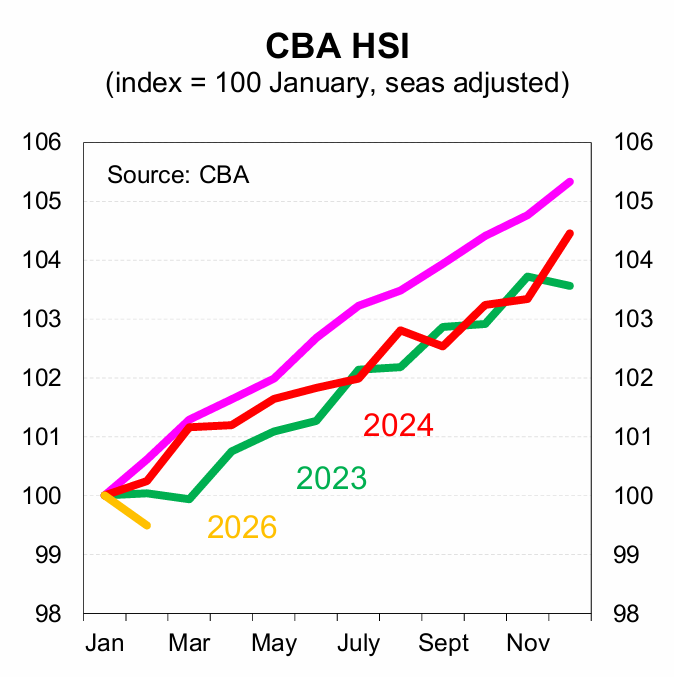
The decline indicates that, following a protracted period of resilience bolstered by higher salaries, households cut back on spending.
Utilities saw the biggest monthly drop of 6.4%.
The category with the worst performance is education spending, which fell 1.0% in February and is already down 4.0% year over year.
Spending on transportation and recreation also decreased throughout the month, despite the fact that recreation has been comparatively strong over the previous 12 months.
Health, domestic services, food and beverage products, and communications and digital services, on the other hand, saw slight rises.
There were indications of a slowing of discretionary spending.
Discretionary spending remained unchanged in February, while annual growth fell to 5.7% from 6.6%, despite a modest increase in essential spending.
This moderation indicates that households are growing more frugal as budgets are impacted by rising interest rates, inflation, and cost-of-living pressures.
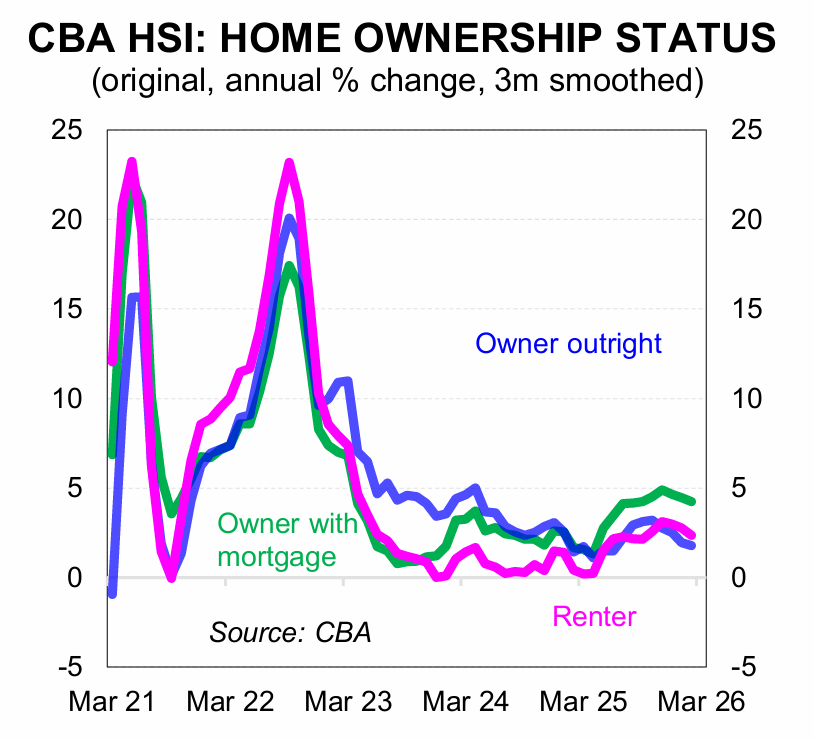
Compared to renters (1.6%) and outright homeowners (0.8%), mortgage holders continued to report the highest yearly spending growth (4.0%).
This data is based only on the last rate hike and perhaps one more. It contains nothing of the Iran War, the oil shock, and the coming inflation burst.
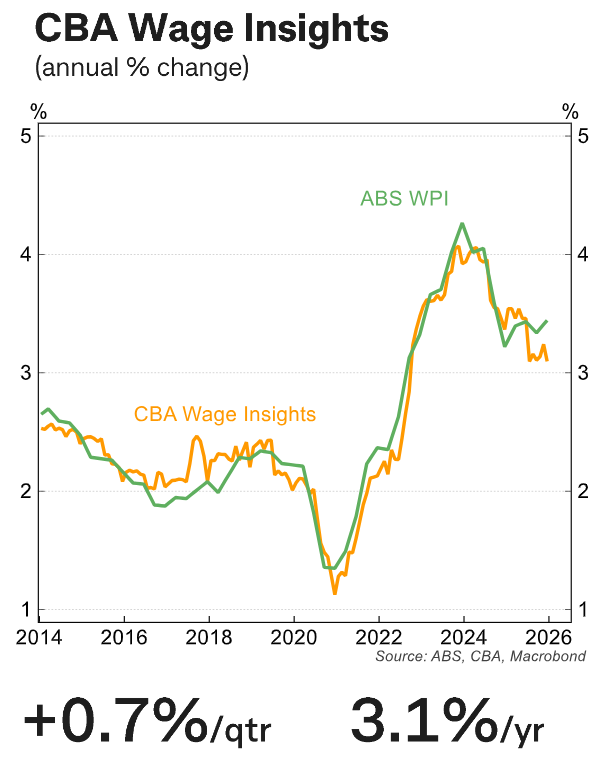
This follows CBA data from several days ago showing that wage growth continues to soften and real wages are falling again.
The RBA and Treasury will have to revise their real wage outlooks dramatically lower if the Straits of Hormuz remain closed for another month.
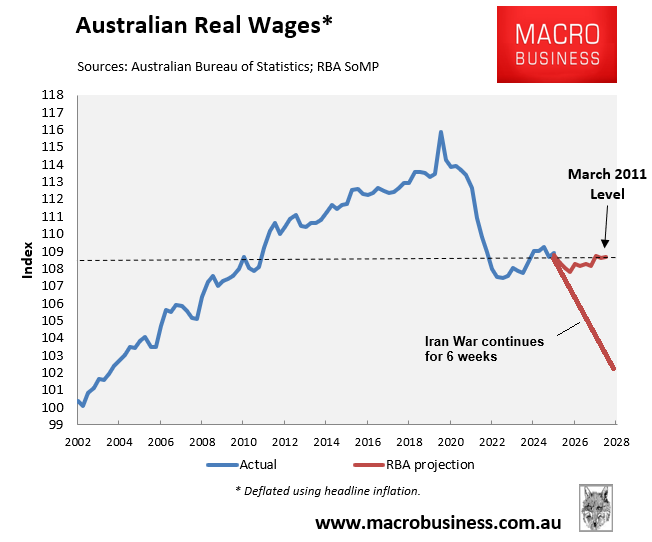
Another energy shock we did not need to have, resetting living standards lower.
Put Pauline in charge.
