
As usual, Australia is having a stupid debate. This time, it is about manufacturing.
Australia is ranked below Botswana and Russia on Harvard’s index of economic complexity because of a diminished manufacturing industry and an overreliance on iron ore and coal exports. However, economists said the statistics could not be used to justify Labor’s industry policy agenda.
In 2025, Labor committed more than $3 billion in bailouts of manufacturing facilities such as the Whyalla Steelworks and Glencore’s Mount Isa copper smelter.
Labor also pledged support for Rio Tinto’s struggling Tomago aluminium smelter, in a deal purportedly involving billions of dollars in subsidised power from the Snowy Hydro project and other renewable sources.
“[The Harvard statistic] is used as a political device, but I don’t think it has a lot of merit to it,” said University of NSW economist Richard Holden.
“Would you prefer to live in Botswana or Australia? You tell me.”
It is a fantastic idea to aim for more value-added output in the economy. It raises living standards through stronger productivity gains and offers an economic ecosystem far less dependent on imports amid renewed economic imperialism.
But you have to do it right. What is the point of allowing a gas cartel to gut your natural endowment of cheap energy resources, such that you can’t even compete in basic manufactures like refining your own abundant minerals? Fix the source of the problem—that is, break the gas cartel—and then you won’t have a problem in minerals processing requiring subsidies.
Increasing your reliance on China for both energy and processed metals makes no sense, especially when your largest strategic guarantor could suddenly abandon you.
It is better to live in Australia than in Botswana, but that is the wrong question.
The right question is whether it is better to slide down the global living standards table or to remain near or at the top.
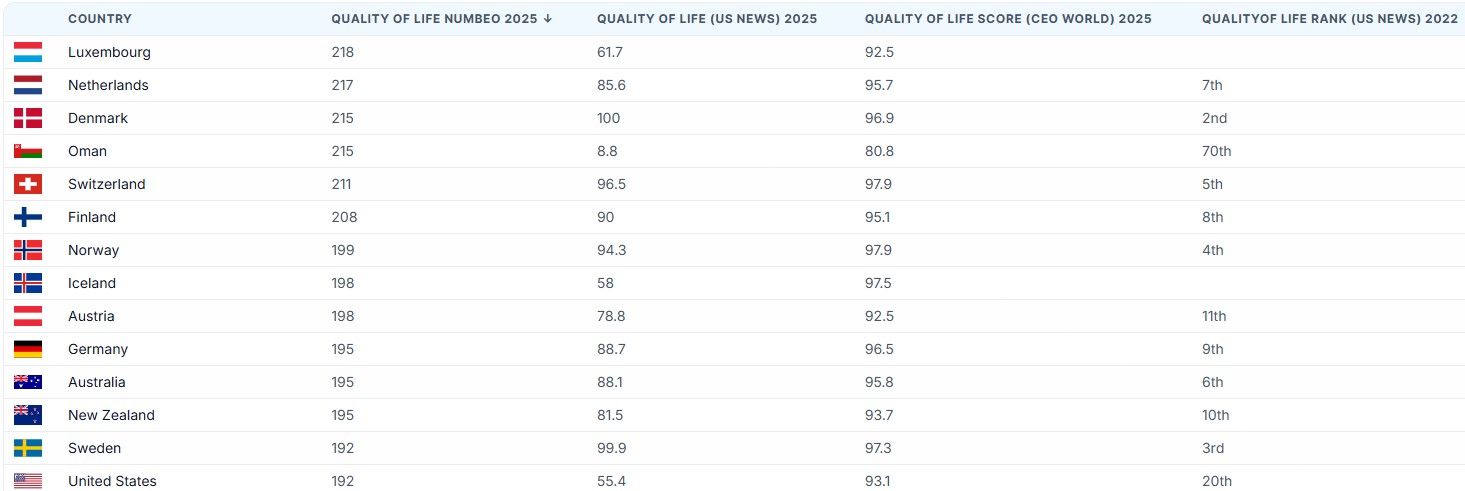
If the Australian industry base were grown efficiently, living standards would be rising, not falling.
One could argue that such an outcome would prevent outbreaks of hate from torching the social fabric.
This is not rocket surgery, especially since Dr Holden appears to recognise the harm wrought by the gas cartel.
