
As noted many times, the US is doing a far better job of decarbonising its economy than Australia.
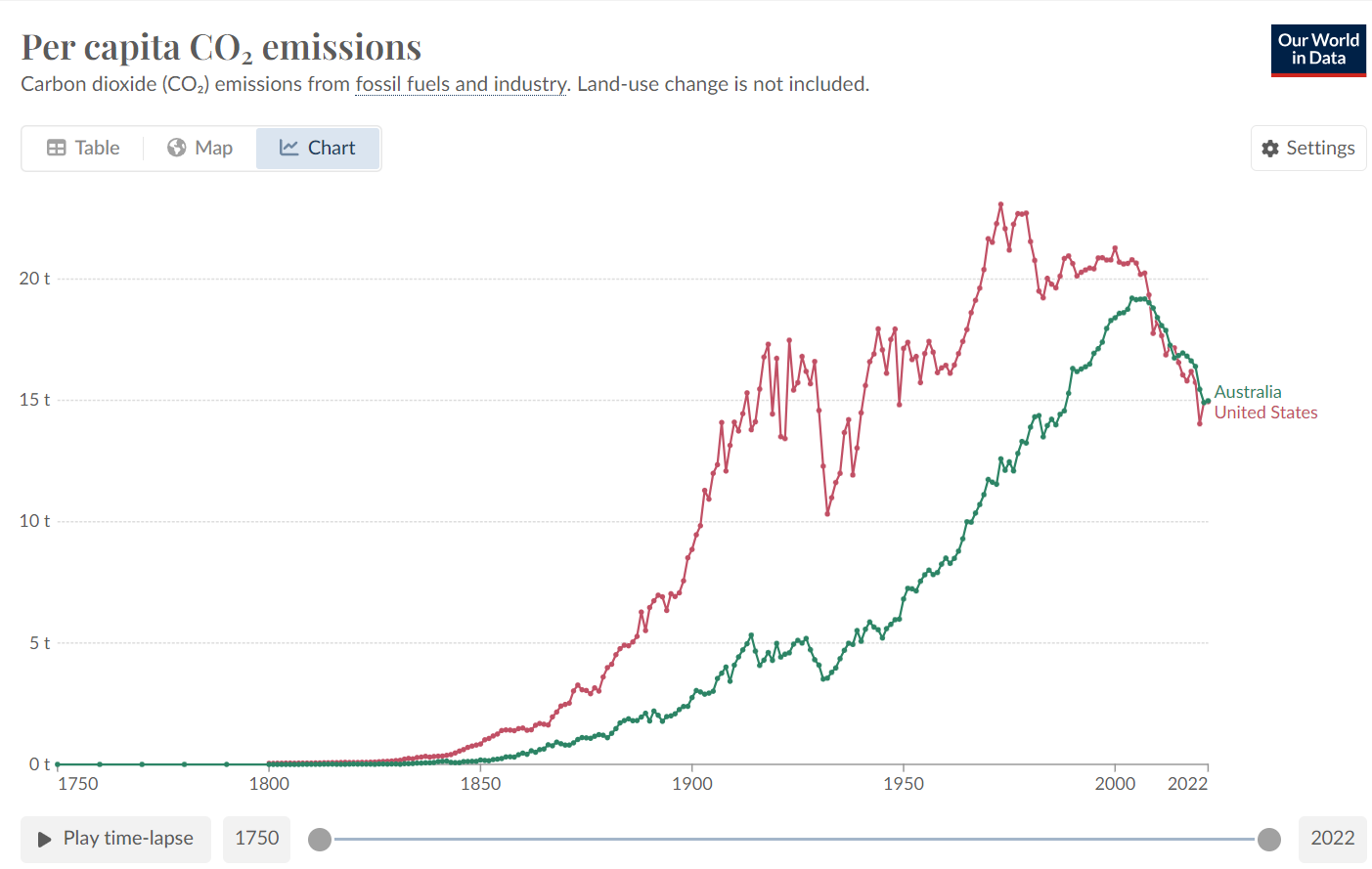
In per capita terms, the US is far ahead:
Worse, in absolute terms, US emissions are down 17.6% versus Australia’s pathetic 5.7%:
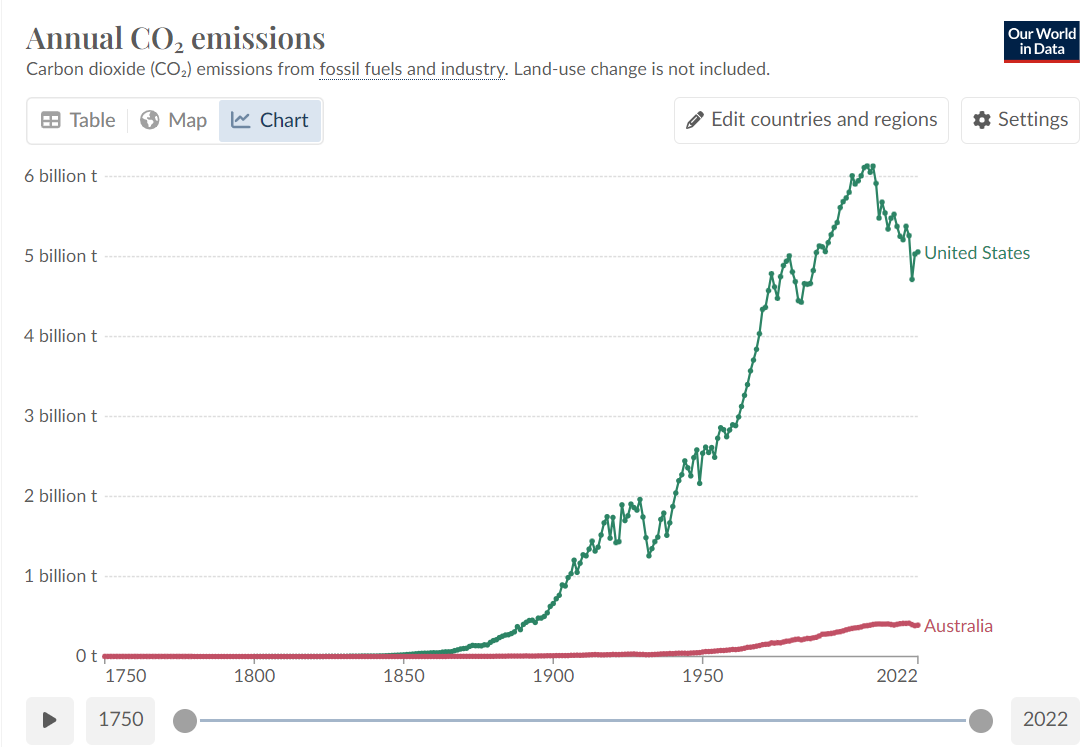
Australia’s massive immigration program largely explains the difference between per capita and absolute emissions.
The US is doing a far better job despite having worse renewable resources, proportionately less gas, and politics more hostile to climate change.
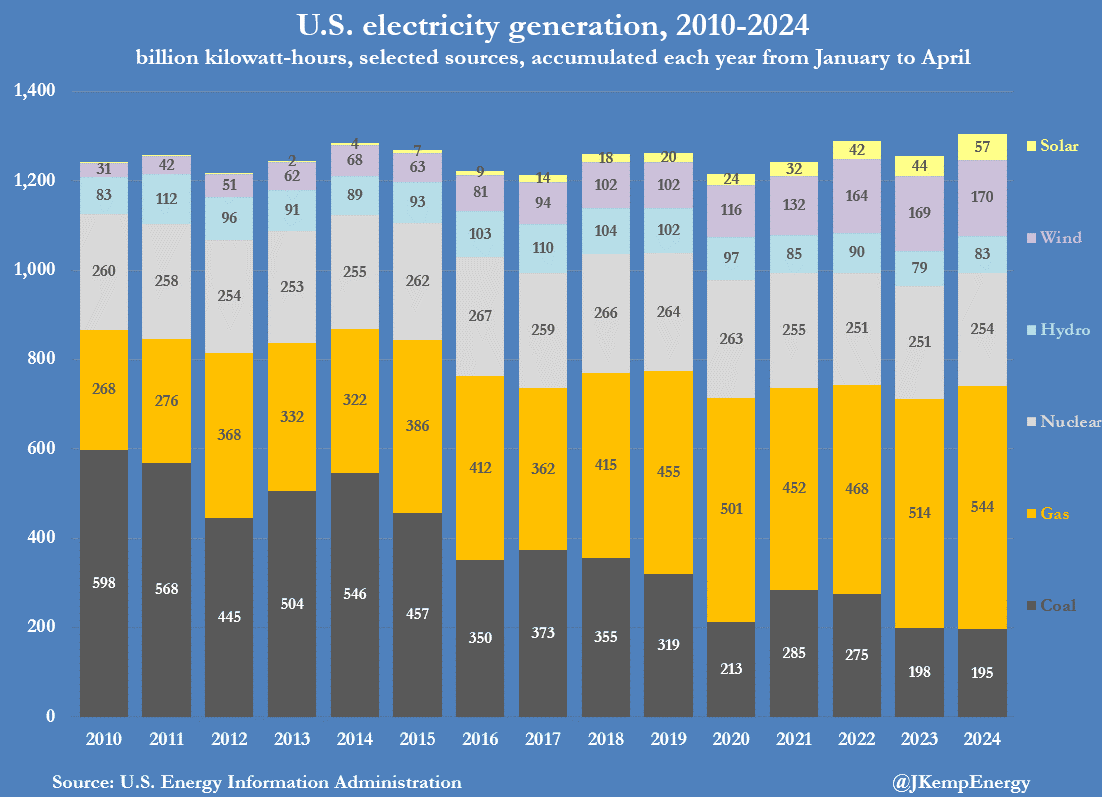
How? Easy. Gas domestic reservation leads to an abundance of gas for fuel and coal-to-gas turbine switching.
US gas is driving coal out and securing renewables:
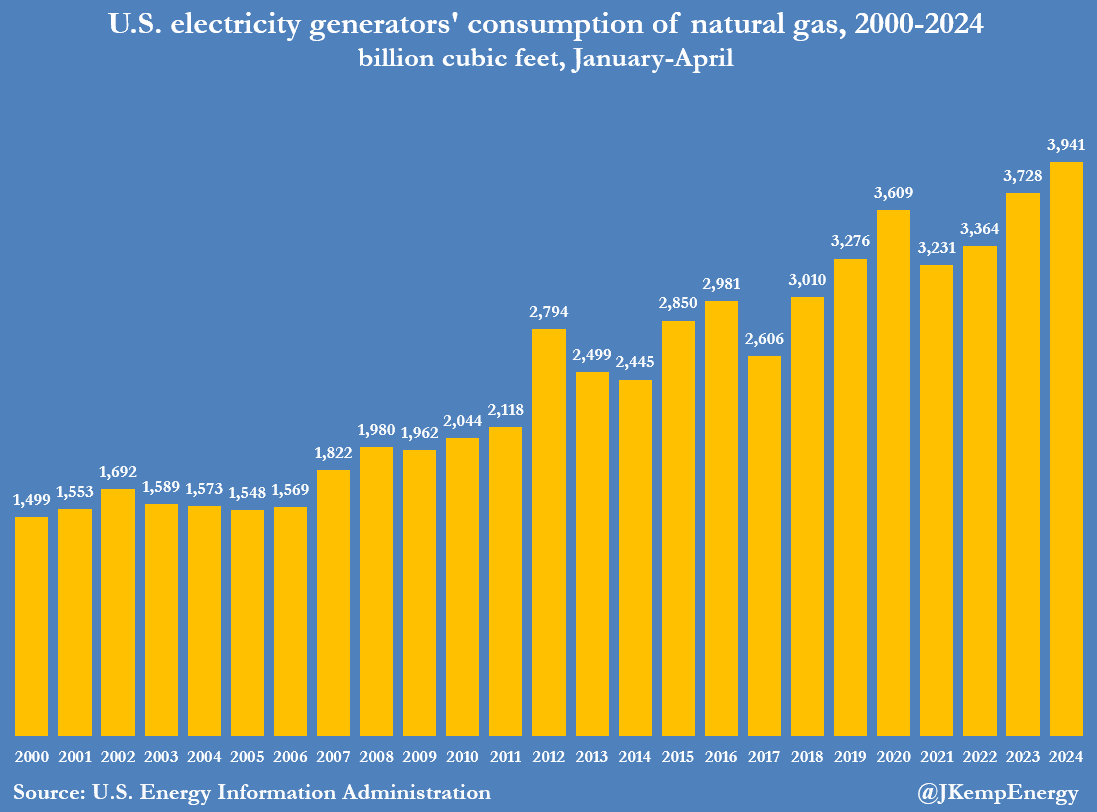
As gas consumption explodes!
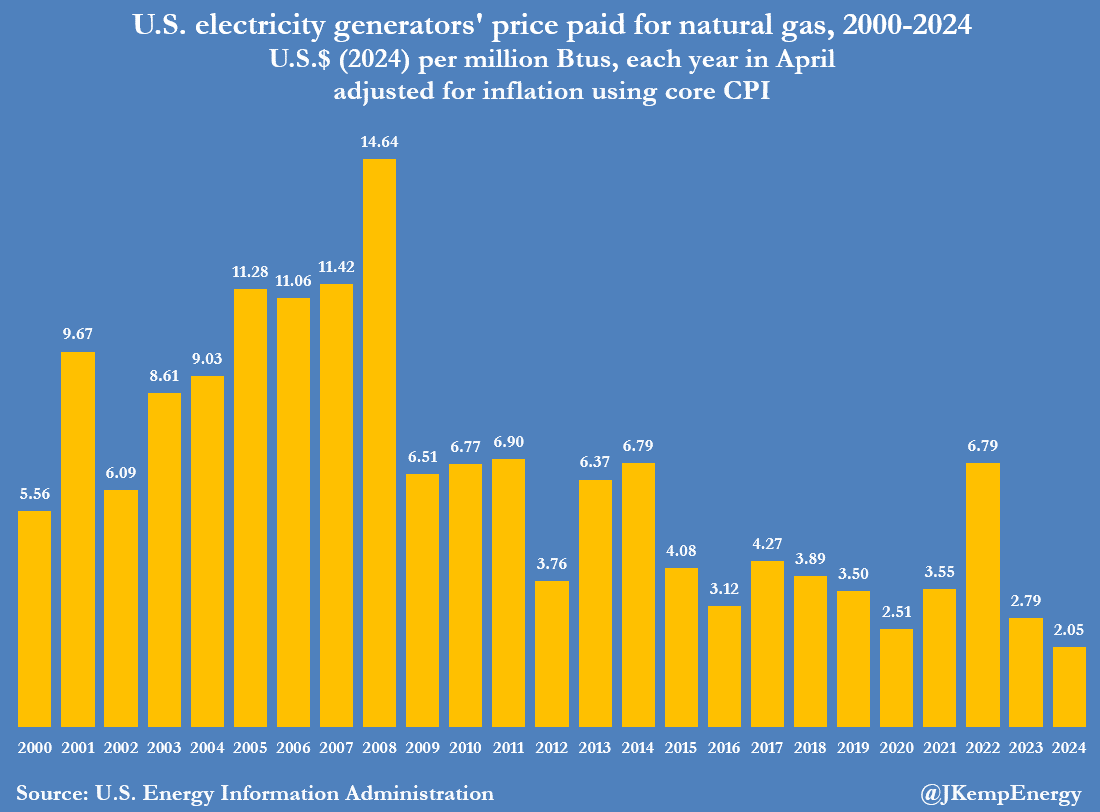
Even as prices crater:
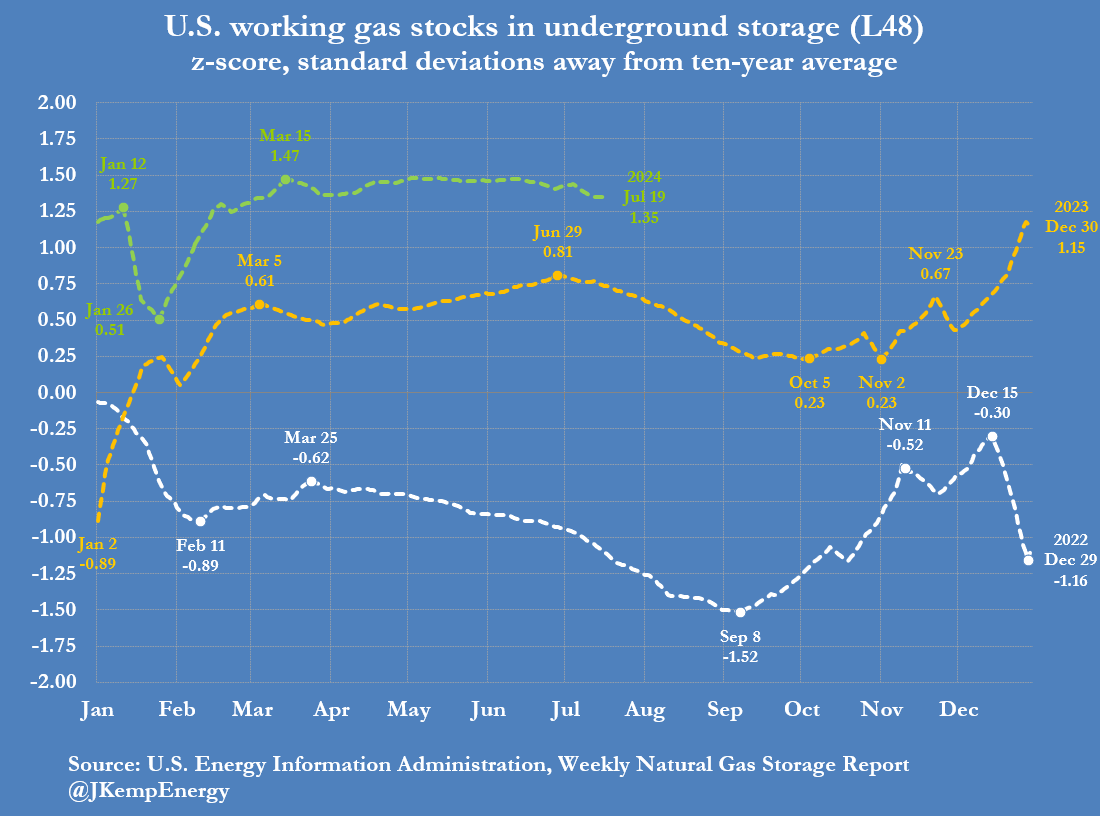
Amid immense local stockpiles:
It’s amazing what a little gas reservation can achieve.
Conversely, without it, you’re screwed:
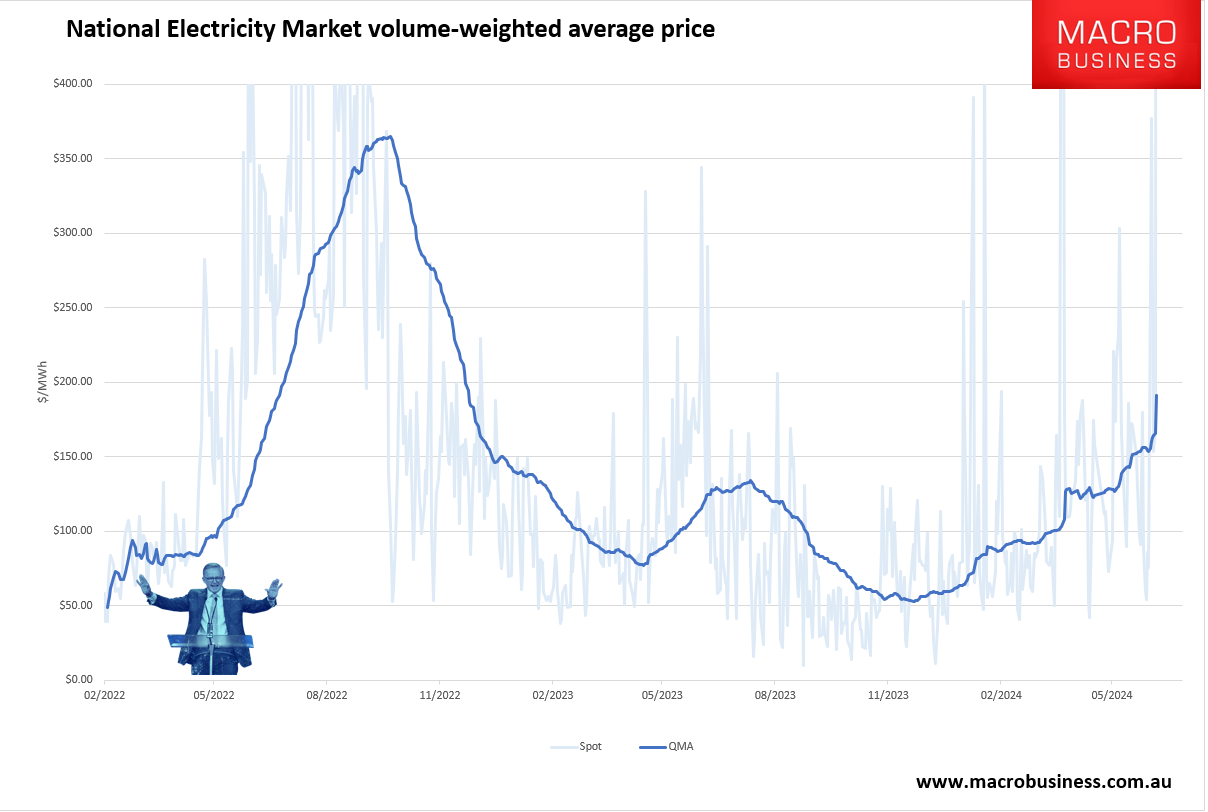
While morons bicker:
One of the country’s biggest gas projects is at risk after the Western Australian Environmental Protection Agency knocked back Woodside Energy’s $30 billion Browse development north of Broome.
But the agency’s decision is preliminary, and Woodside will continue negotiating for approval. A final rejection would mark a dramatic intervention by the EPA, and be a major blow to Labor’s strategy to shore up gas supplies to 2050 and beyond.
No, it wouldn’t. WA domestic reservation doesn’t need Browse.
Browse isn’t even viable, given the looming global gas glut.
East Coast gas reservation NOW!
