
The Productivity Commission (PC) has released new data on income mobility. It shows that, on average, each generation has earned more than the previous one, due to the nation’s long-term economic growth.
Two-thirds of people born between 1976 and 1982, known as Xennials, earn more than their parents, according to the PC.
However, gains have slowed for people born in the 1990s. They have seen essentially no increase in income between the ages of 25 and 30, compared to those born in the previous decade:
“On average, each generation earned higher individual disposable incomes than the previous generation at a given age. Australia’s economic prosperity over the long term has led to a significant increase in real incomes and material living standards over time”, the PC report notes.
“However, slow growth in recent periods has meant people born in the 1990s have experienced almost no growth in incomes between the ages of 25–30 compared to those born in the 1980s”.
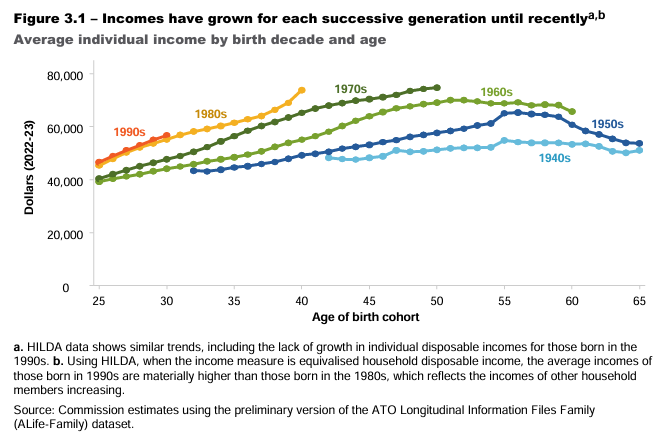
“Weak income growth for people born in the 1990s reflects the poor economic outcomes experienced by younger people following the global financial crisis (GFC)”.
“In 2021, the Commission (2020c) found average individual disposable incomes grew strongly for all age groups between 2001 and 2008, but then declined only for young Australians aged 15 to 34 between 2008 and 2018”, the report said.
Commenting on the results, PC head Danielle Wood noted that “Australia really has been the land of the fair go for many, but we can’t ignore what’s happening for people in poverty”.
While incomes for most people might be higher than their parents and grandchildren might b higher than their parents and grandparents, this does not mean they are better-off.
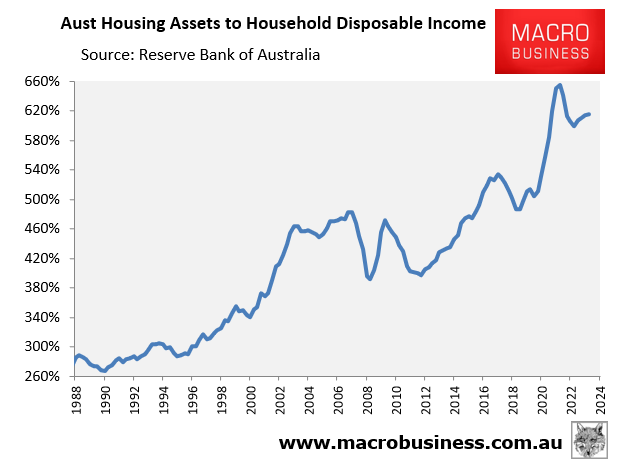
The cost of housing has become extortionate, meaning Australians entering the market are subject to a lifetime of mortgage servitude.
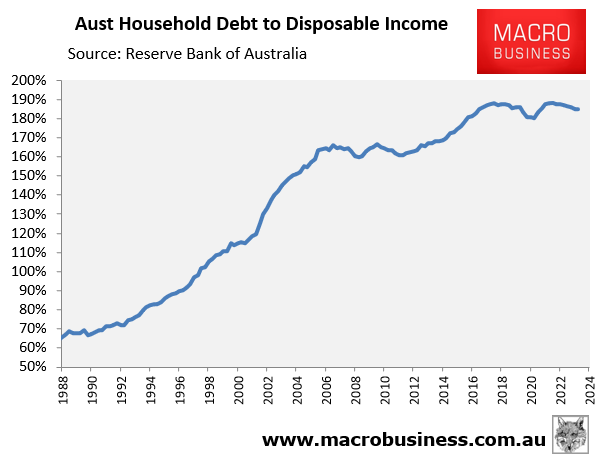
Home ownership rates have also collapsed, meaning that far more younger and future Australians will be lifetime renters compared with their parents and grandparents:
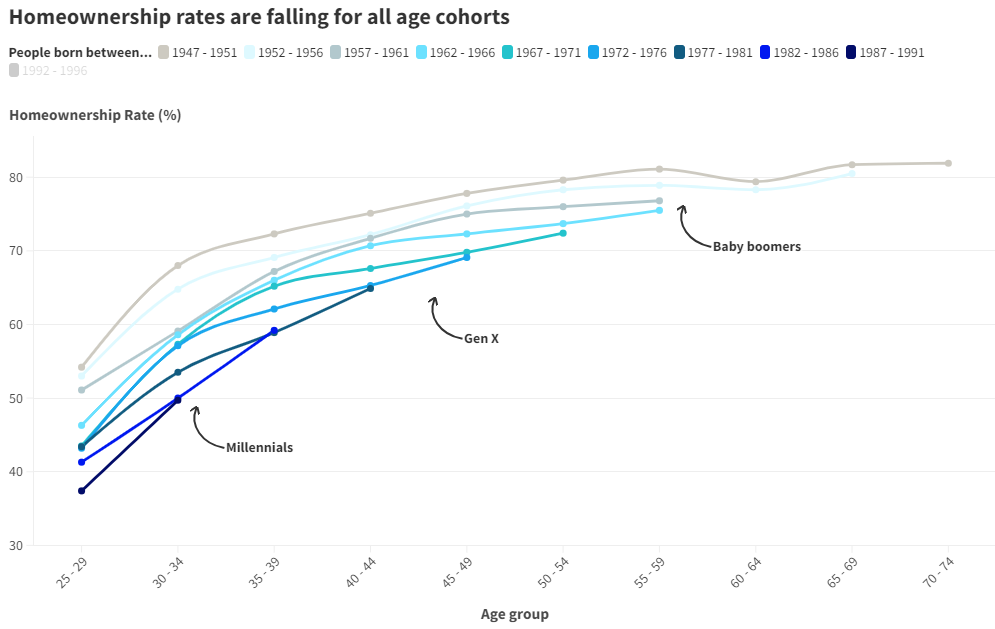
The truth of the matter is that Australian living standards are declining, despite what the official income data says.
