
I cannot think of a worst time to be a first home buyer (FHB) in Australia.
Prospective FHBs are being hammered by relentless double-digit rent increases amid the tightest rental market on record:
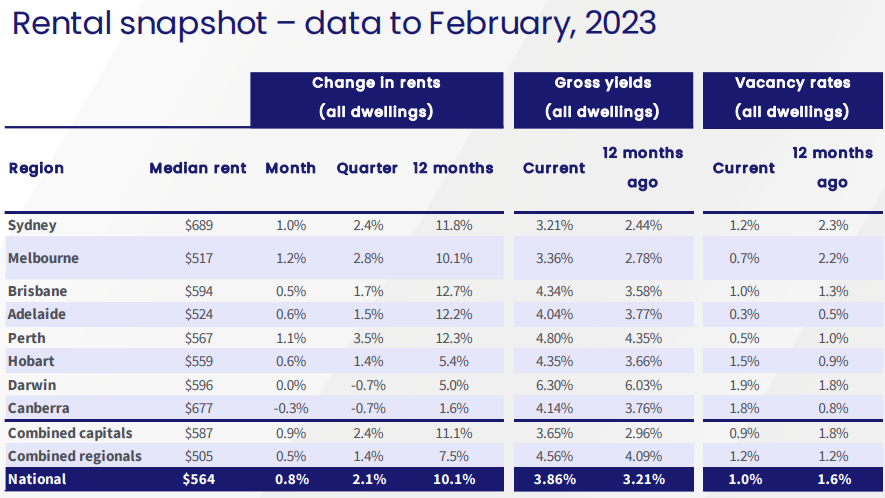
The Albanese Government’s ‘Big Australia’ mass immigration policy, which has already seen net overseas migration hit record levels, will tighten the rental market further, driving up rental costs.
The extra competition from migrant workers will also make landing a job more difficult and place upward pressure on the unemployment rate and downward pressure on wages. In turn, it will become harder to save for a house deposit.
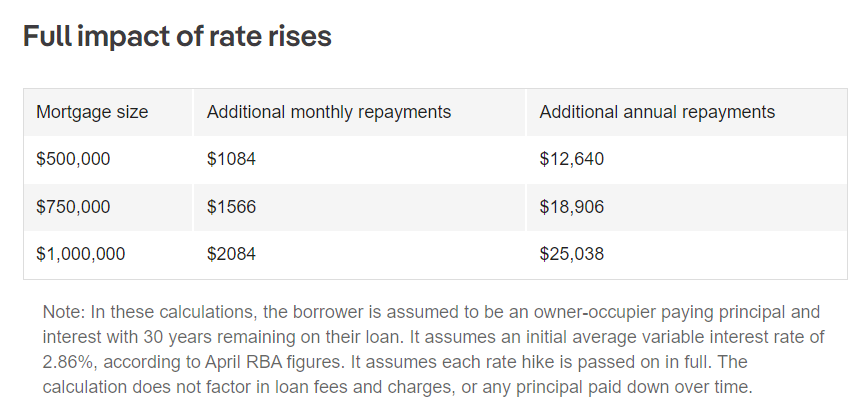
Recent FHBs might have escaped the escalation in rents. However, they are now suffering from a circa 50% increase in variable mortgage repayments following 10 consecutive interest rate hikes from the Reserve Bank of Australia (RBA).
Somebody with a $500,000 variable rate mortgage will see their monthly repayments increase by nearly $1,100 a month ($12,640 a year) compared to their level last April once the RBA’s latest rate hike is passed on:
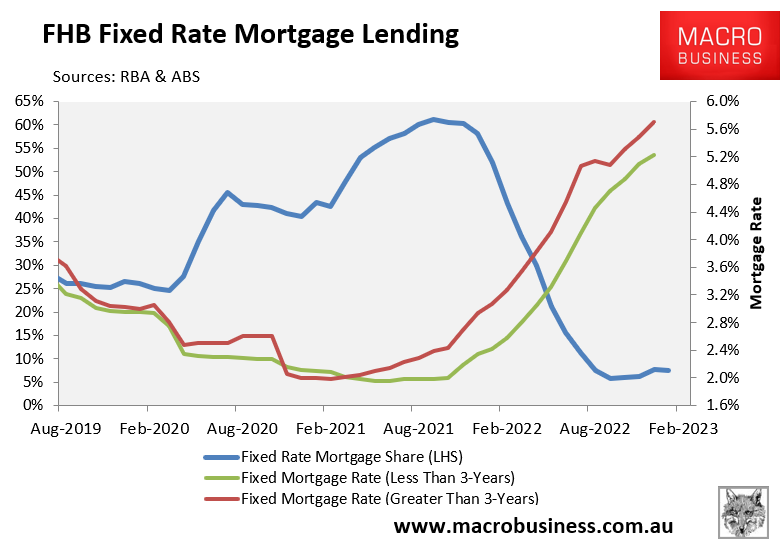
A record share of FHBs took out fixed mortgages over the pandemic at rates of around 2%, as illustrated below:
While these borrowers are currently shielded from the RBA’s interest rate hikes, the situation will soon change as most fixed term loans expire and they switch to variable rates:
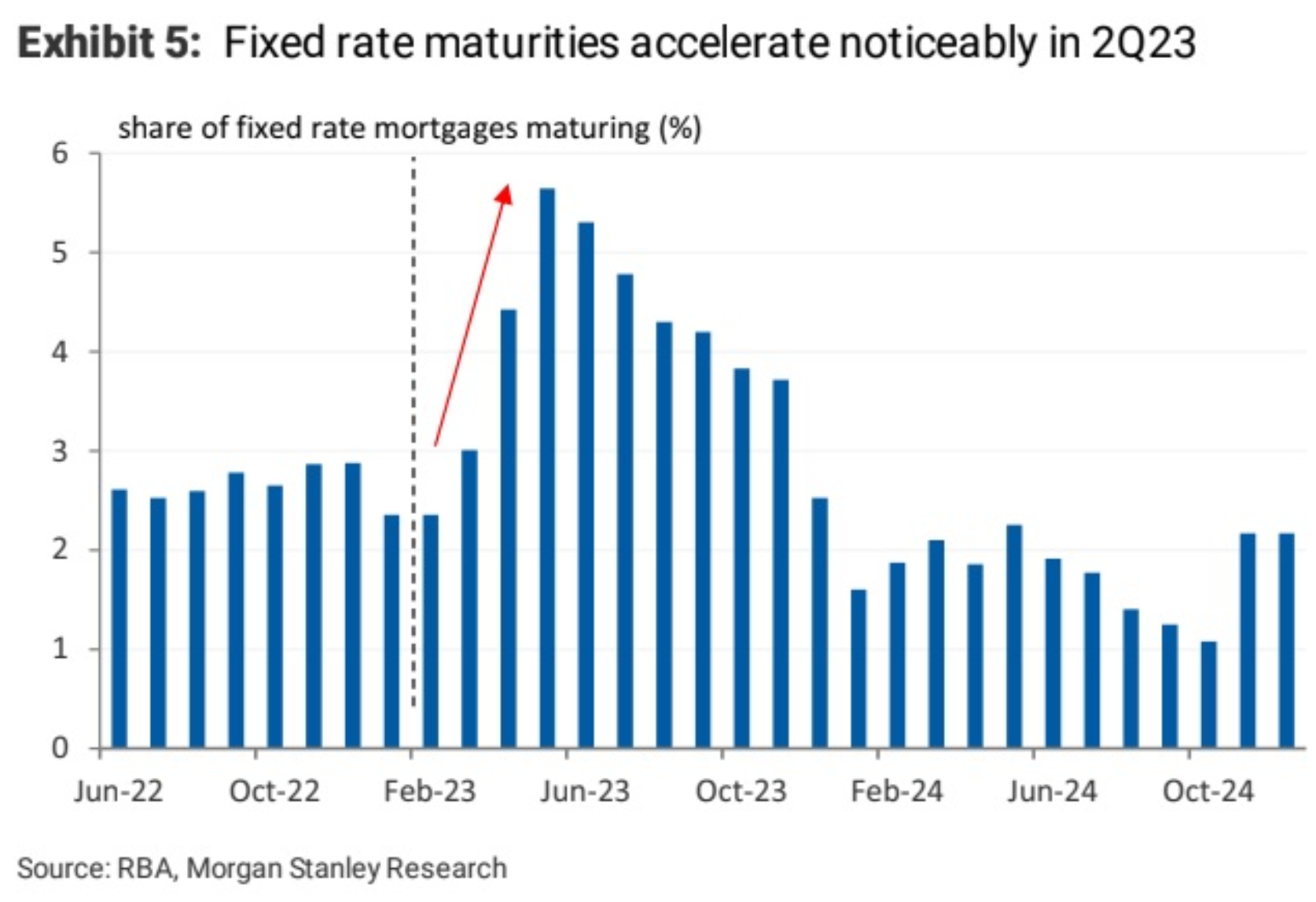
Many of these FHB borrowers are facing a tripling of mortgage rates this year, which will push many into deep financial stress.
Finally, while dwelling values nationally are down nearly 10% from their peak, FHBs looking to escape the rental market by purchasing a home to live in are facing a circa 30% reduction in borrowing capacity following the RBA’s latest rate hike.
The RBA has hinted that it will hike rates further in the months ahead, which will further shrink borrowing capacity and make it even more difficult for FHBs to enter the market.
In summary, the situation facing FHBs is dire, given they are experiencing a perfect storm of soaring rents, lower wage growth and rising unemployment, alongside rising interest rates and shrinking borrowing capacity.
