A new report from JLL shows that just 8,378 apartments were completed in Australia’s mainland state capitals and Canberra in 2022, compared with 15,159 in the previous calendar year.
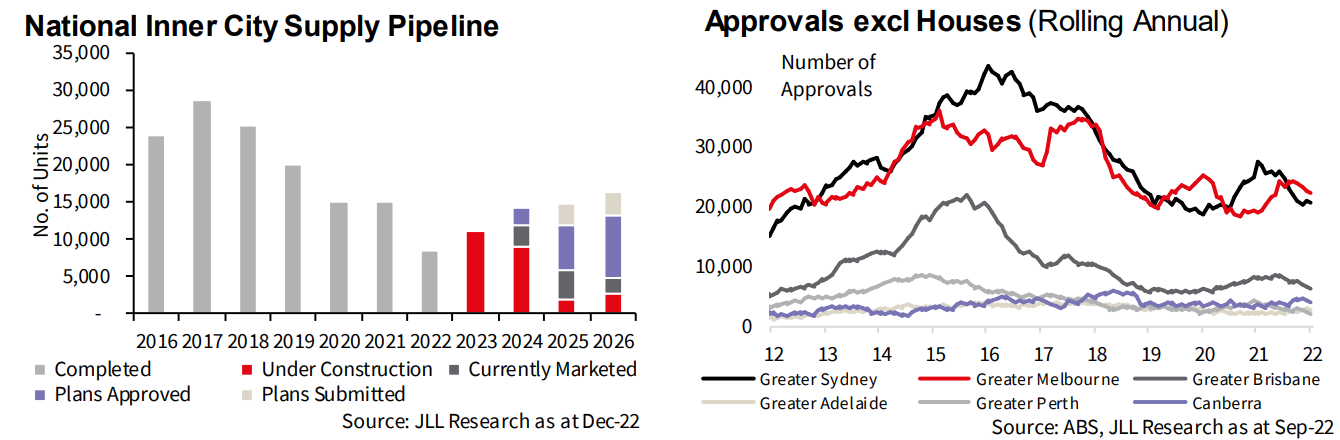
JLL’s Apartment Market Overview report for the December quarter also shows that the number of apartments in capital cities that have been approved fell to 16,960 during the quarter, down from 18,613 in the previous quarter.
The report notes that limited supply of new apartments, alongside rising demand from overseas migration, is likely to put further upward pressure on rents.
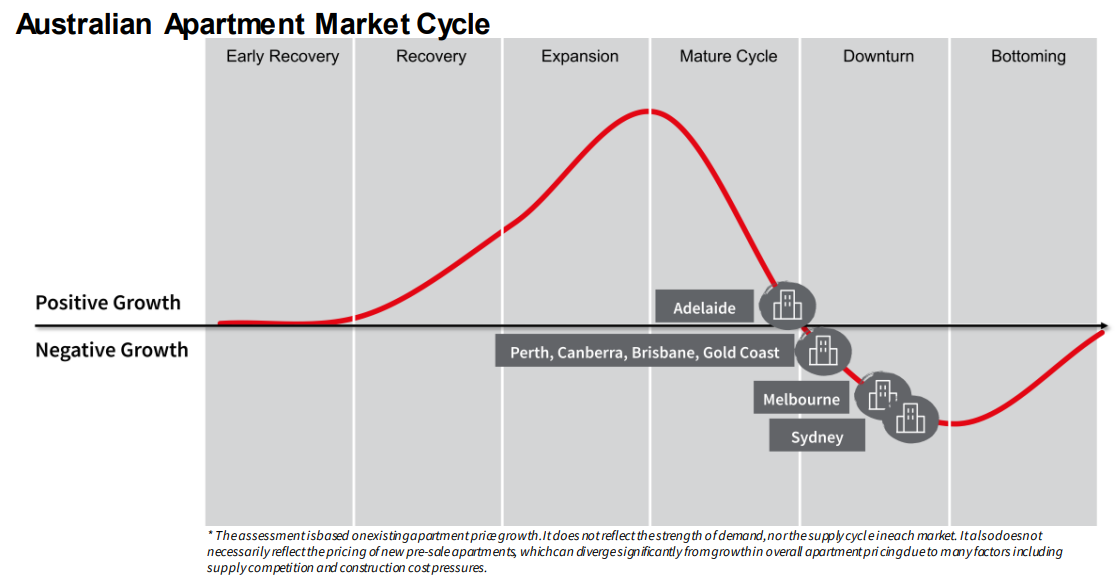
Specifically on supply, JLL notes that “apartment construction levels are moderate and are likely to remain so for at least several more years” due to higher input costs and rising interest rates.
“Apartment supply will fall further in 2023 to low levels and stay moderate for at least several more years beyond that”.
But on the demand side, JLL notes that “open borders and the return of migrants and foreign students will be a tailwind for apartment demand (rental and sale demand)”.
In particular, “China’s move away from its ‘COVID zero’ policy and improvement in diplomatic relations could provide a boost to Australia in 2023 through higher tourism, foreign students and foreign investor demand for new apartments”.
“China’s active encouragement of foreign students to return to face-to-face learning could also contribute to an even bigger surge in leasing activity in early-2023 and a quick return to extremely low vacancy rates”.
JLL warns that “the rental market has tightened significantly over 2022. Vacancy has fallen to low or very low levels in all cities and rents have rebounded to above pre-COVID levels (significantly above in some cities)”.
And worse is to come as “the limited apartment supply pipeline means there is little relief on the horizon for renters”.
“With moderate apartment supply set to be delivered over the next few years, and with much of that supply focused towards owner occupiers, it is likely pressures will only get worse in the short-term”.
In short, the Albanese Government’s record immigration program is shaping up as an unmitigated disaster for renting Australians, who will find it increasingly difficult to secure accommodation at reasonable cost.
Where will the hundreds of thousands of migrants projected to arrive this year and beyond live when there is already a dire short of accommodation for the existing population? In tents? In cars? On the streets?
The Albanese Government’s ‘Big Australia’ immigration policy is an inequality disaster in the making.