
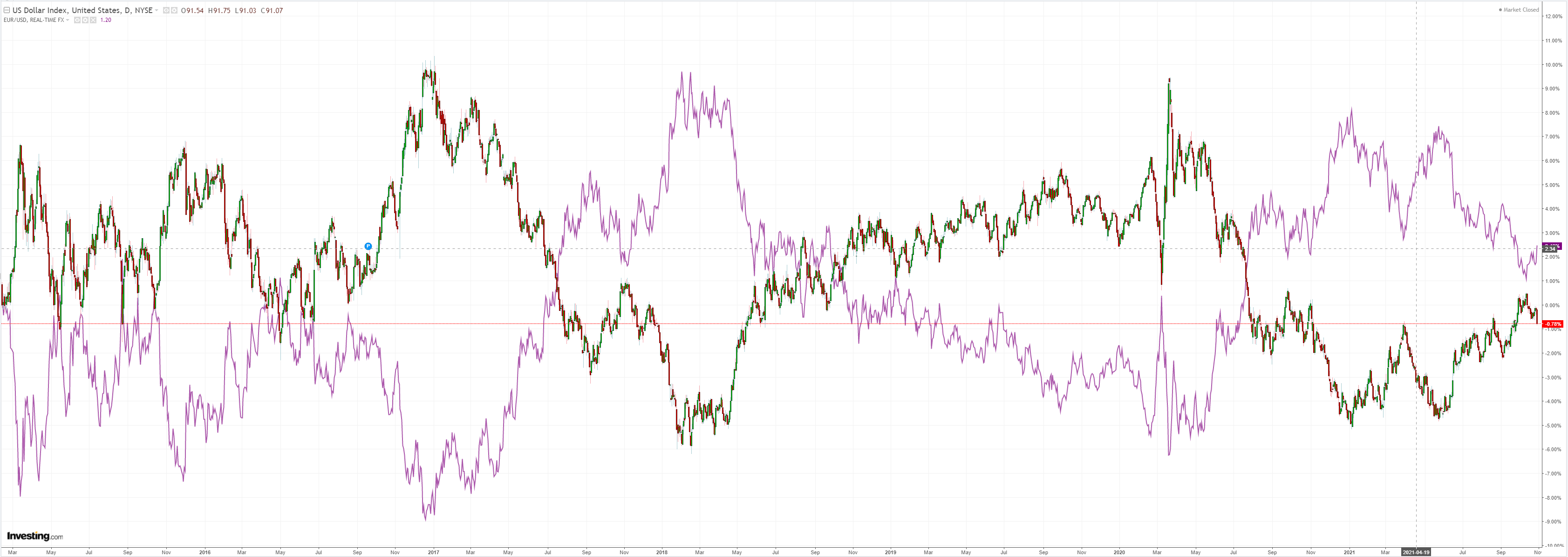
DXY was whacked last night and EUR jumped:
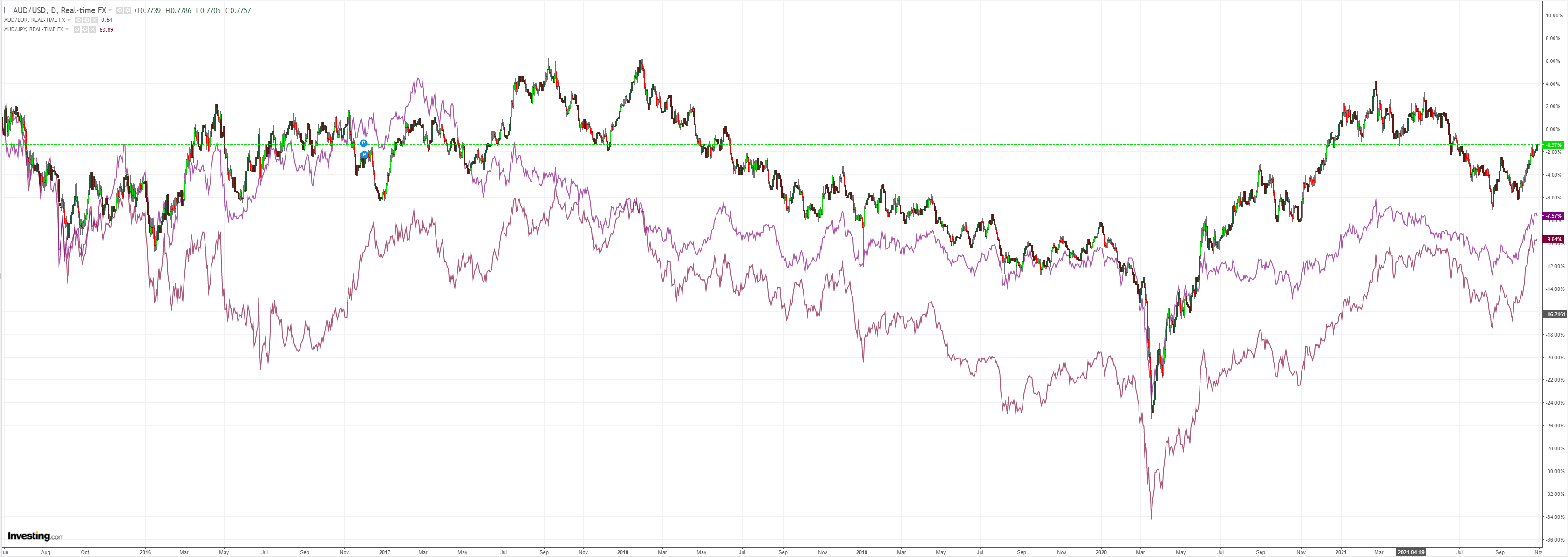
That was enough for another AUD break higher:
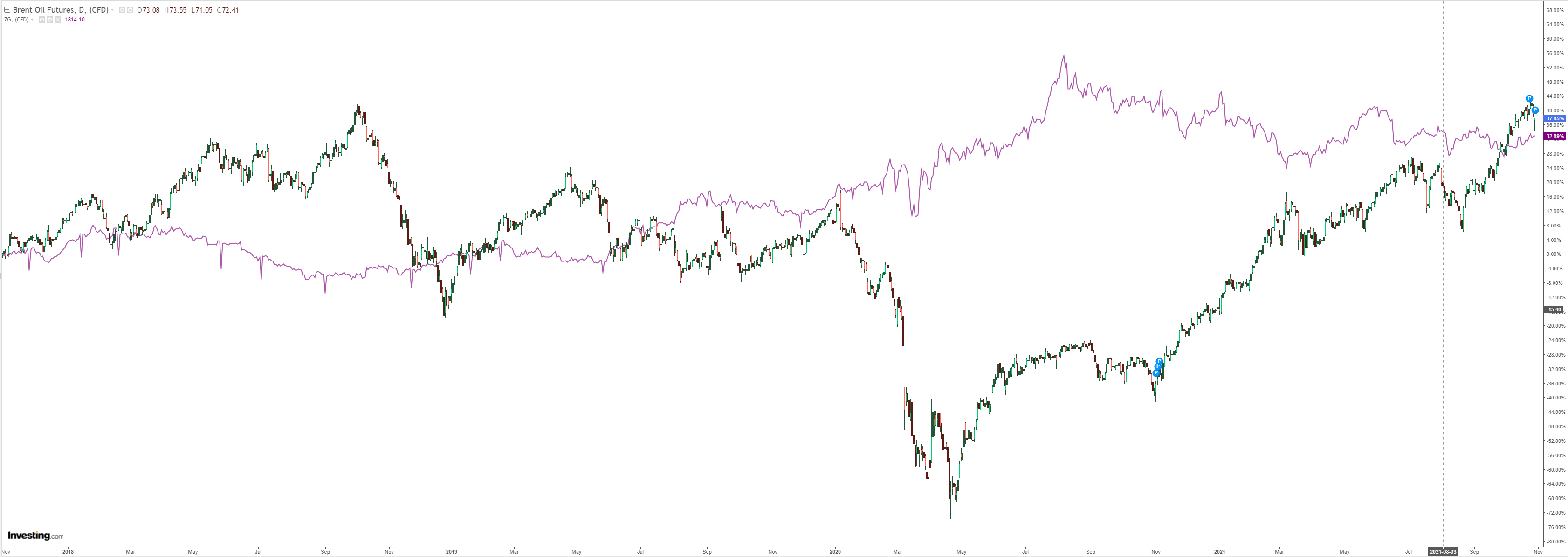
Oil fell as a new Iran deal appears likely. Gold is nowhere:
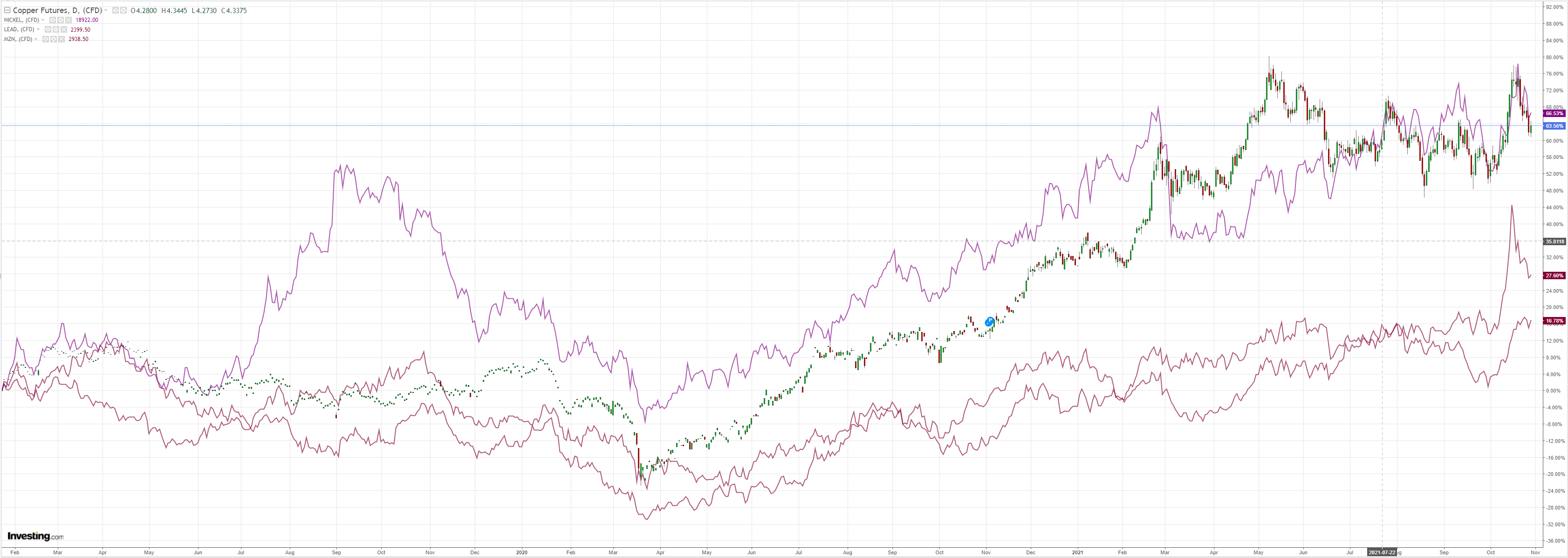
Base metals based on a falling DXY:
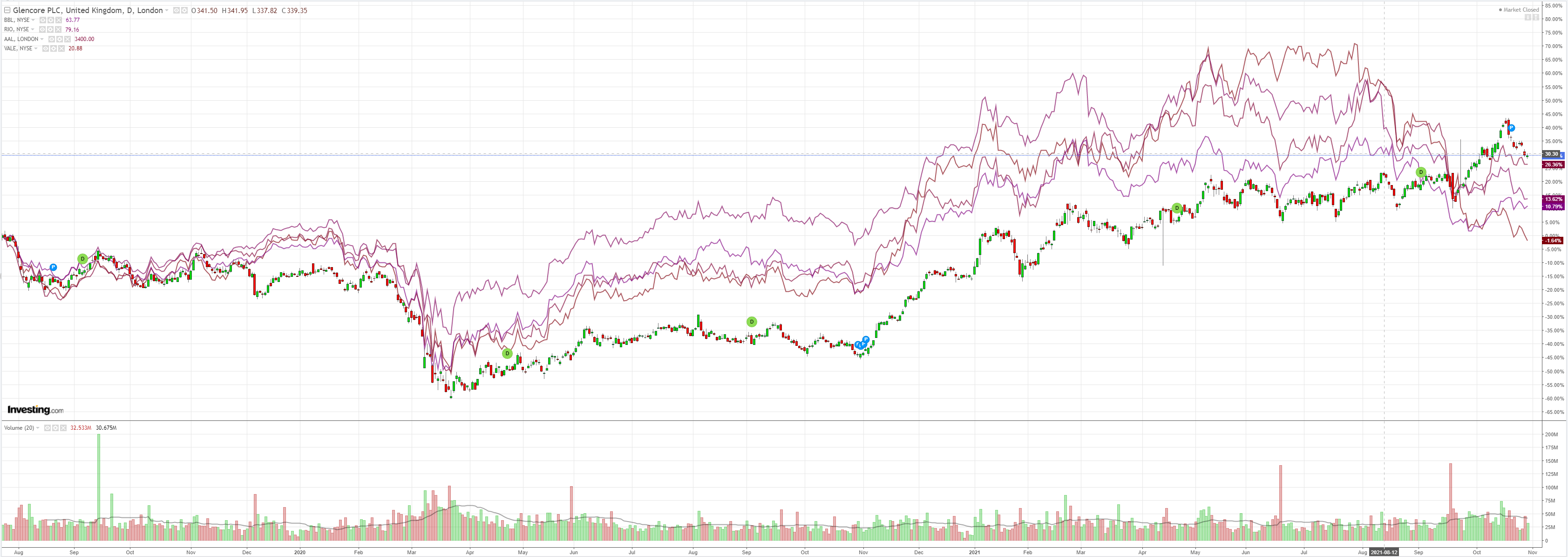
But not big miners:
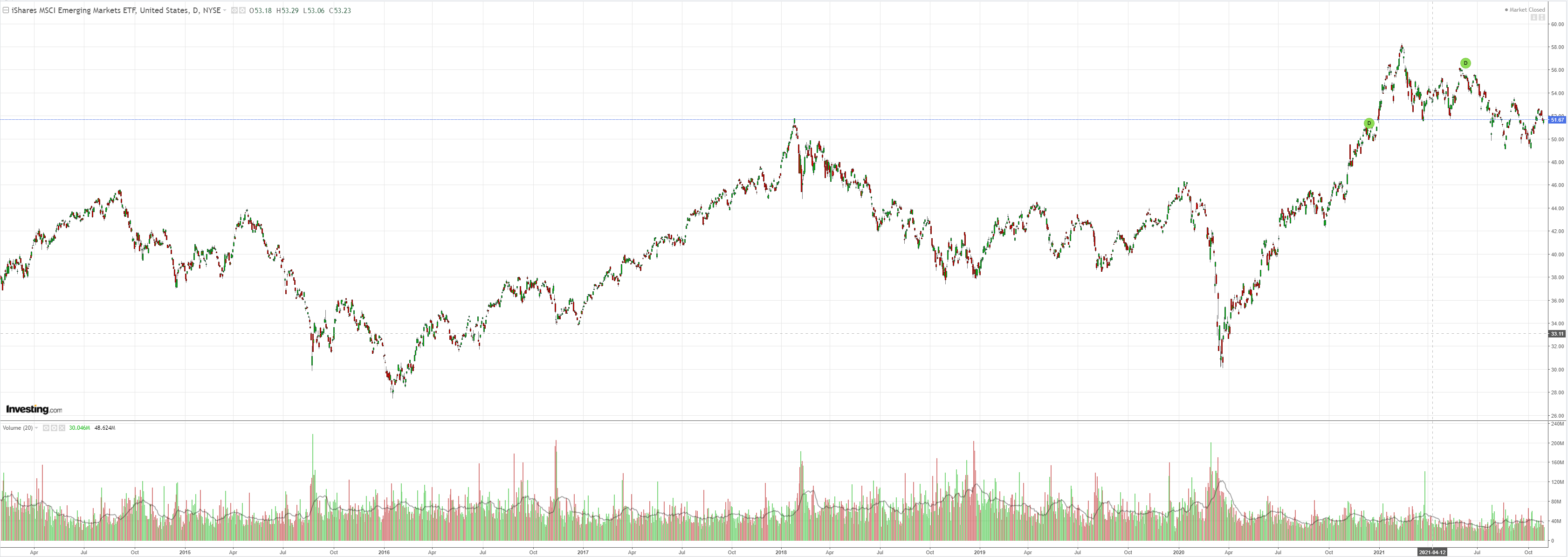
Nor EM stocks:
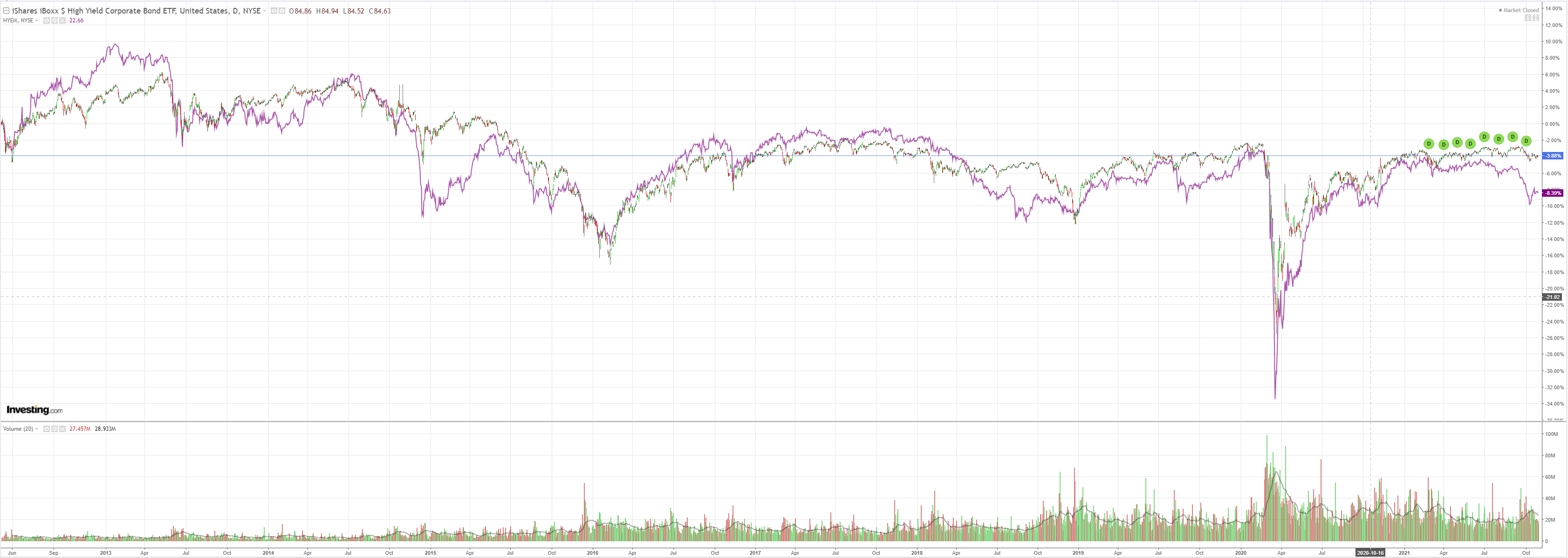
Nor junk:
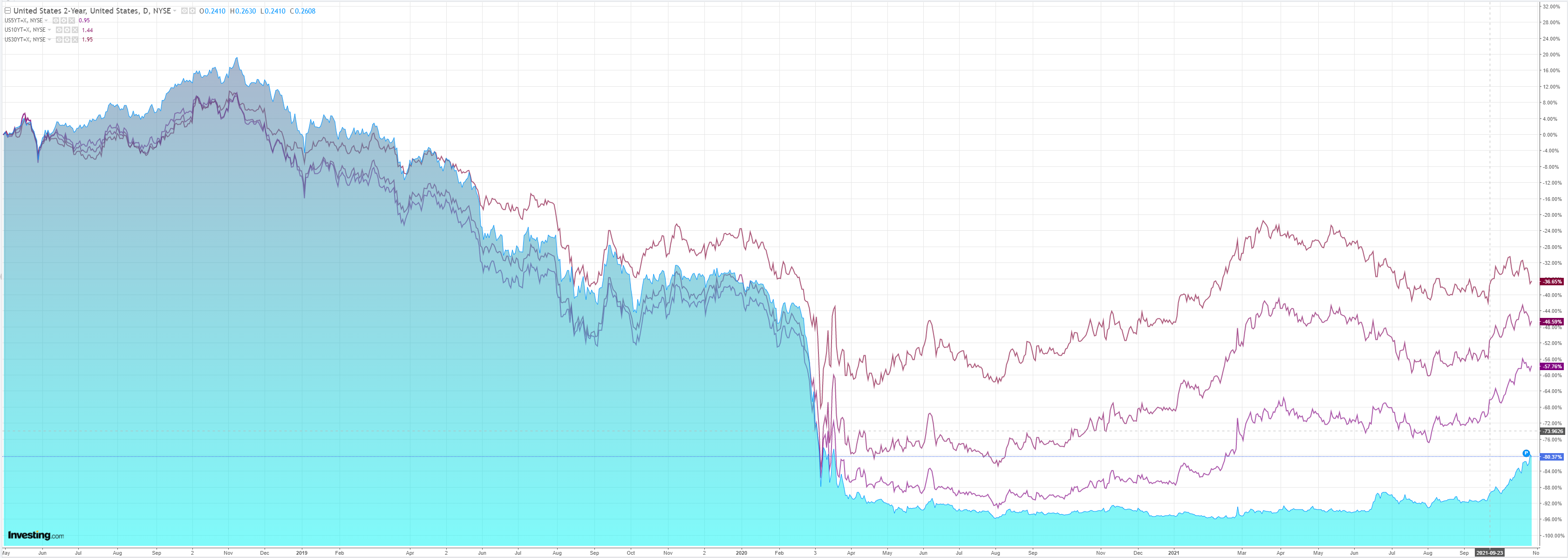
The Treasury curve steepened a little:
RBA…you idiot:
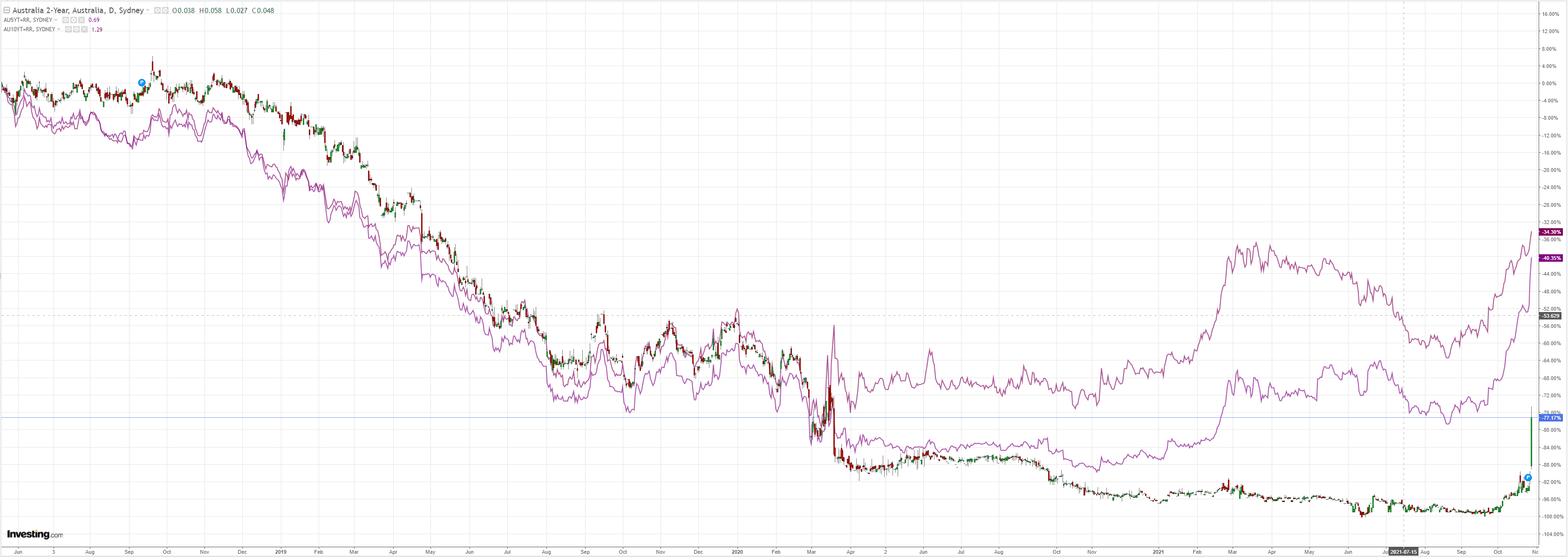
Growth stocks thundered higher taking a dump all over inflationists:
Westpac has the wrap:
Event Wrap
The ECB left policy settings unchanged, as was widely expected, given that December had already been highlighted as the meeting where ECB would discuss policy changes. However, the rise in regional inflation is expected to continue from its current 13-year highs into 2022, and that the transitory drivers are now seen as being more persistent (even if expected to subside in 2022). Notably, Lagarde stated that supply constraints are likely to persist for much of 2022. The bank reiterated that emergency bond purchases (PEPP) will continue through Q4 2021 at a “moderately lower” pace than in the second and third quarters, and that it will run at least until March 2022.
US Q3 GDP rose an annualised +2.0% (est. +2.6%). The Dept. of Commerce cited the resurgence of Covid as a factor, along with reduced pandemic-related government support.
Government consumption rose only +0.8%q/q, while private consumption actually fared better than expected, rising +1.9%q/q. Headline PCE fell to 5.7% (est. 5.2%, prior 6.1%) but core PCE was as expected at 4.5%.Kansas Fed. manufacturing survey was firmer than expected, rising to 31 (est. 20, prior 22). The survey cited a rise in production and employment, as well as new orders, although supply chain effects on prices are expected to continue. Pending home sales in Sep. fell 2.3%m/m (est. +0.5%m/m), with the usually ebullient NAR suggesting that buyers are holding back from purchases at present. Initial jobless claims were in line with expectations at 281k (est. 290k). Continuing claims were 2.243mn (est. 2.420mn).
Event Outlook
Aust: In September, nil growth is expected in the value of retail sales with delta lockdowns still subduing activity. The persistence of these lockdowns throughout Q3 should see quarterly retail sales volumes take a big hit (Westpac f/c: -5.2%). Private sector credit may stabilise in September as the initial lockdown burst in business credit fades (Westpac f/c: 0.4%). Also: energy prices and construction costs are likely to boost the Q3 PPI; and annual national account benchmarking could see significant revisions to previous GDP estimates.
NZ: October’s ANZ consumer confidence survey should reveal a slip in confidence in the wake of the delta outbreak. A negative print for September’s employment indicator is also anticipated (Westpac f/c: -0.4%).
Japan: September industrial production will highlight ongoing supply chain disruptions.
Europe: Q3 GDP should report strong growth as vaccine success buoys the service sector (Westpac f/c: 2.2%). October’s CPI result will see a strong contribution from energy (market f/c: 3.7%yr).
US: The employment cost index for Q3 will provide an in-depth update of wage gains across the economy (market f/c: 0.9%). The end of fiscal support remains a headwind for personal income and delta uncertainties continue to drag on personal spending. September’s core PCE deflator is expected to post a modest gain as the reopening boost fades (market f/c 0.2% m/m, 3.7% y/y). The October Chicago PMI and University of Michigan consumer sentiment survey are also due.
The key driver of a lower DXY and higher AUD was weak US GDP and a disappointing headline for Biden stimulus at half what it was:
After weeks of back and forth, President Joe Biden released a new framework for his Build Back Better (BBB) agenda Thursday, which includes approximately $1.75 trillion of investments to combat climate change, extend health care coverage and alleviate child poverty, among other priorities.
Add to that the RBA shitting the bed on its yield curve control and delivering a carry into the currency:
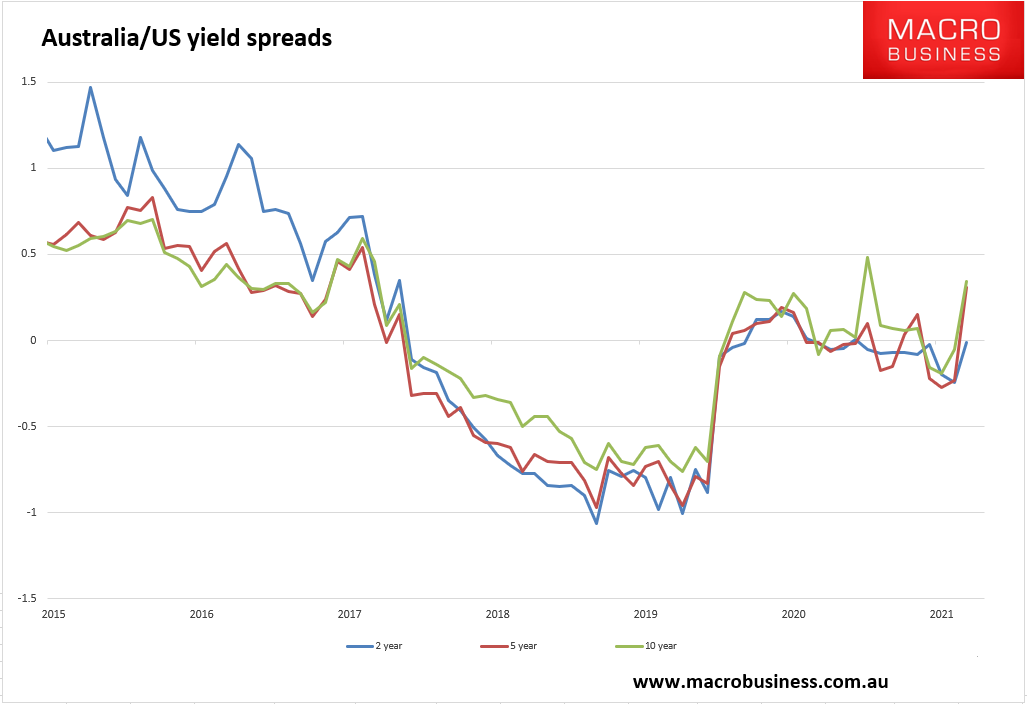
Bulk commodities are still in free fall so the countervailing forces are growing too but, for now, it appears risks remain tilted to the upside for the AUD.
I still think lower in 2022 as the Chinese deflation shock intensifies.
