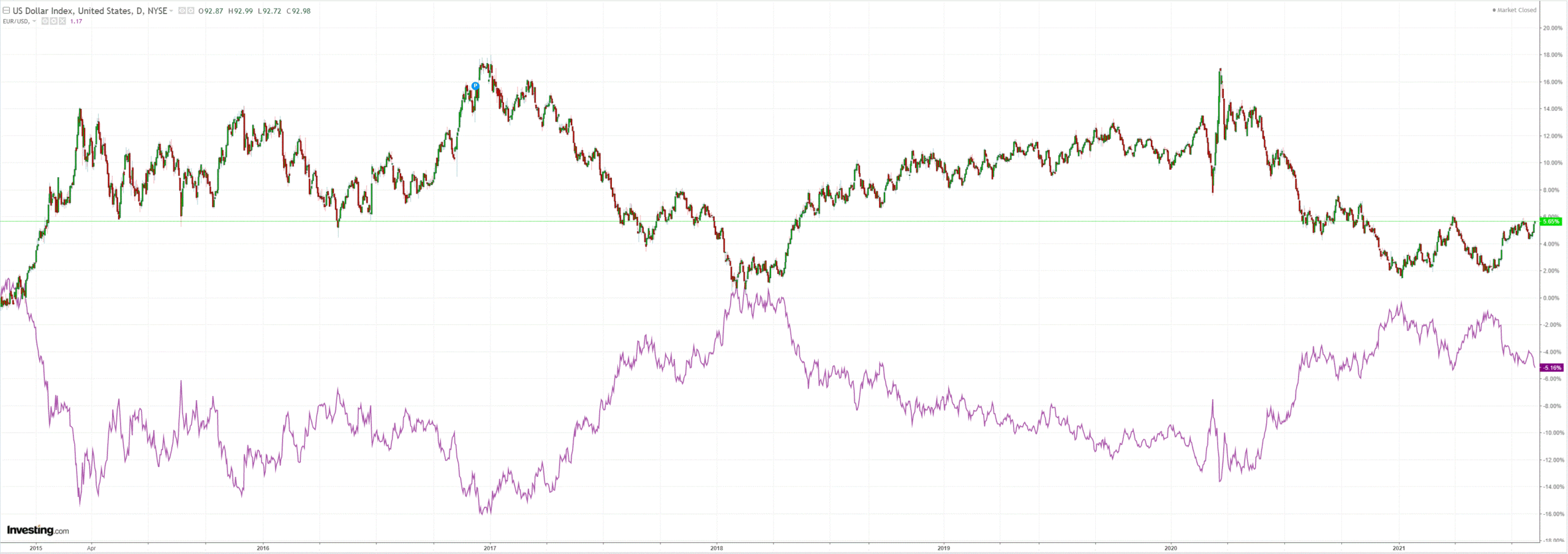
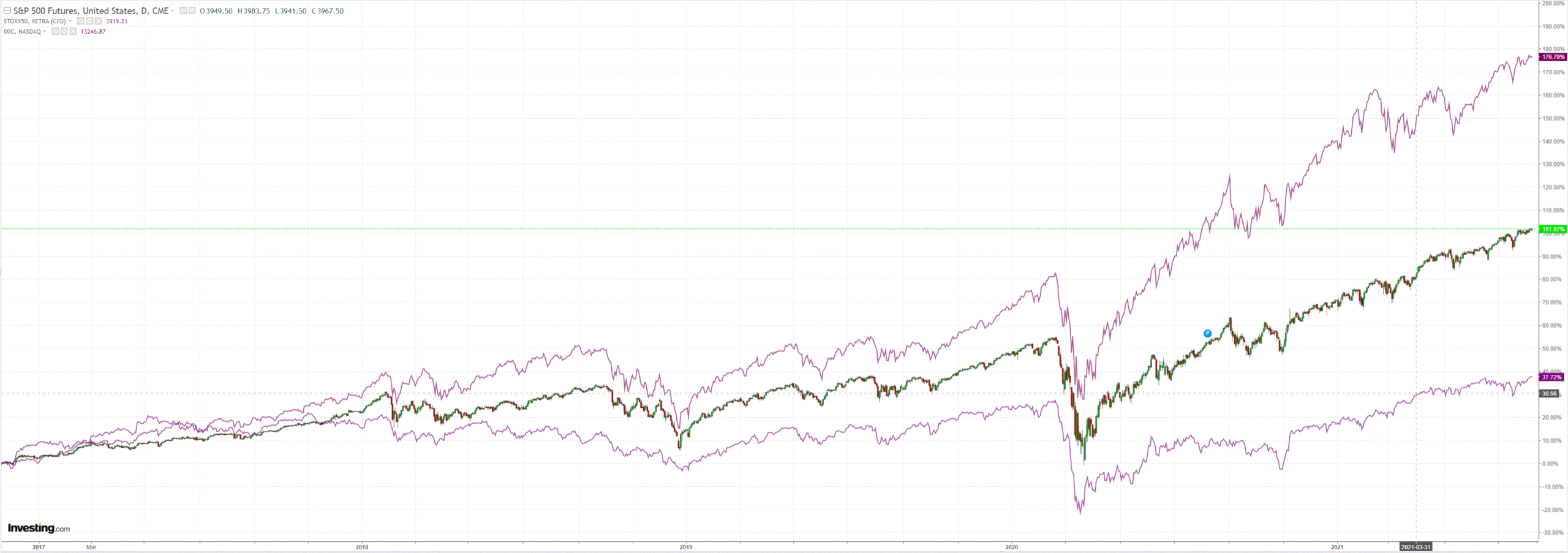
Forex markets are readying another hammer blow for the Australian dollar as Fed taper warms up with Chinese slowing to create a perfect storm. DXY is close to a 2021 breakout:
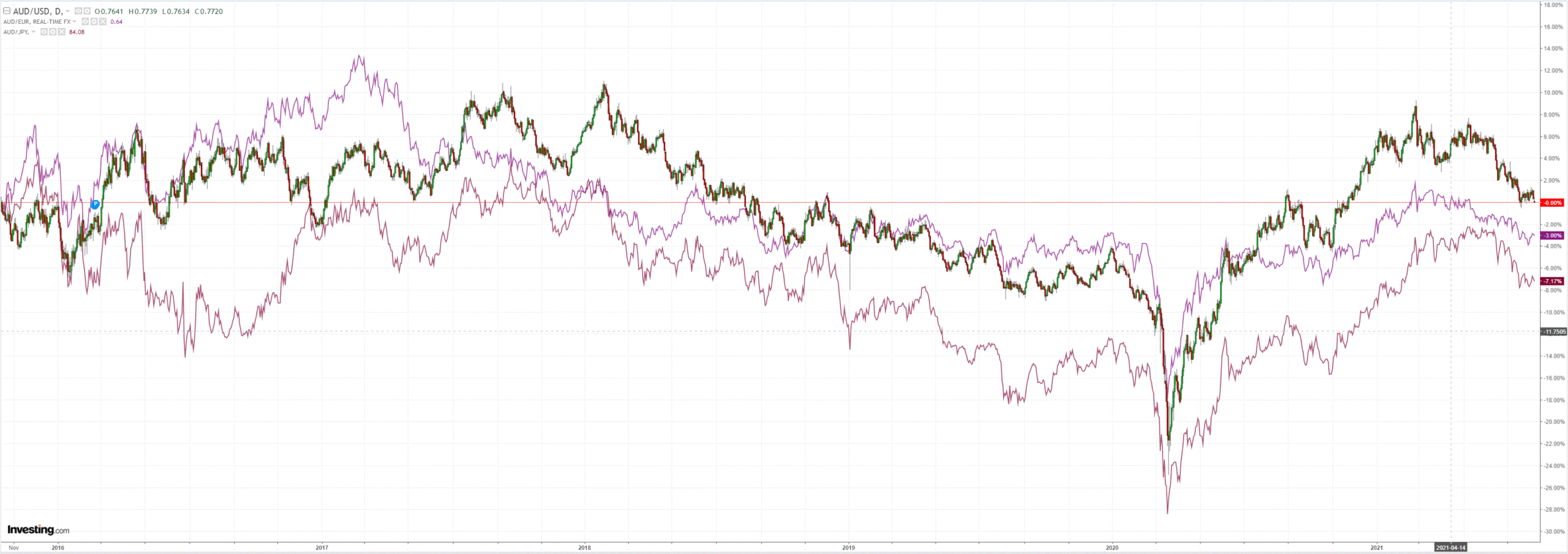
The Australian dollar is a few pips above 2021 breakdown:
Advertisement
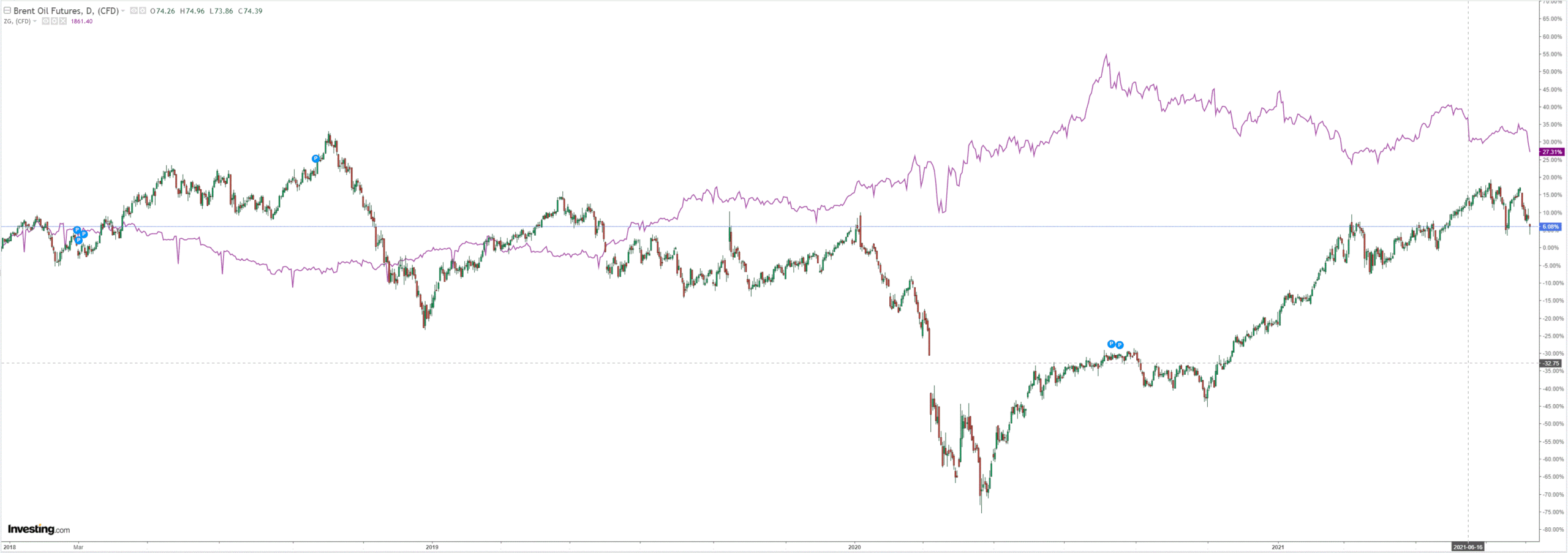
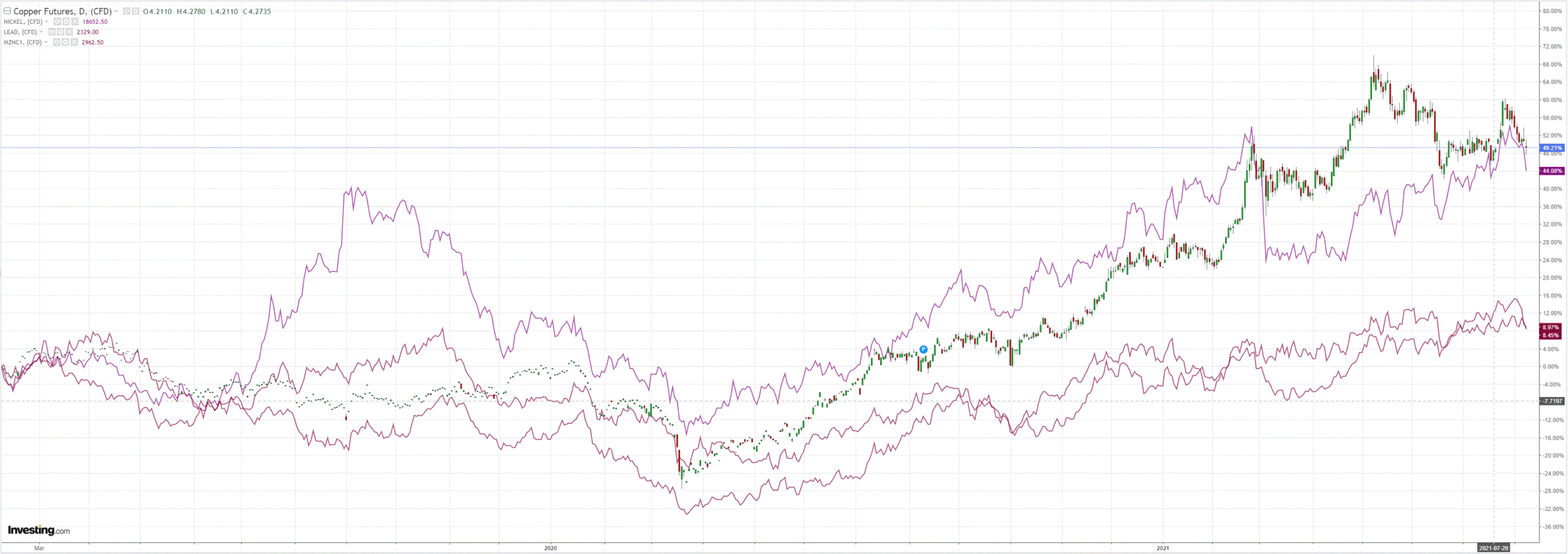
All commodities are under pressure:
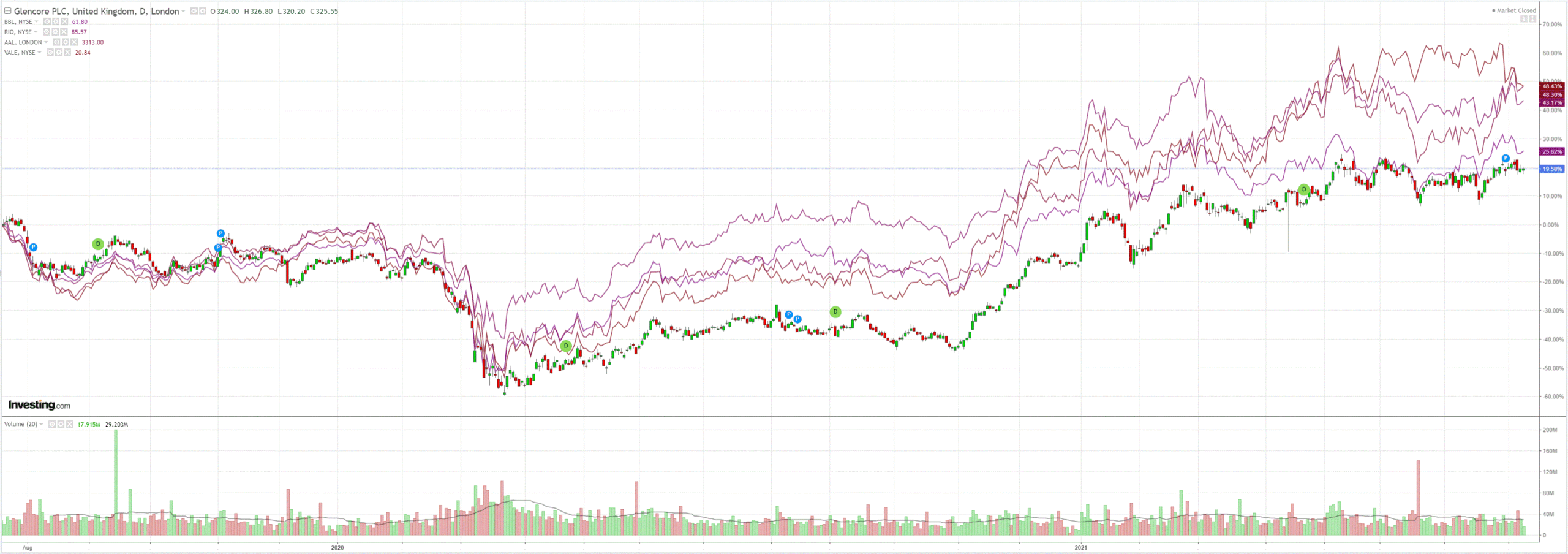
Big miners dug their heads into the sand:
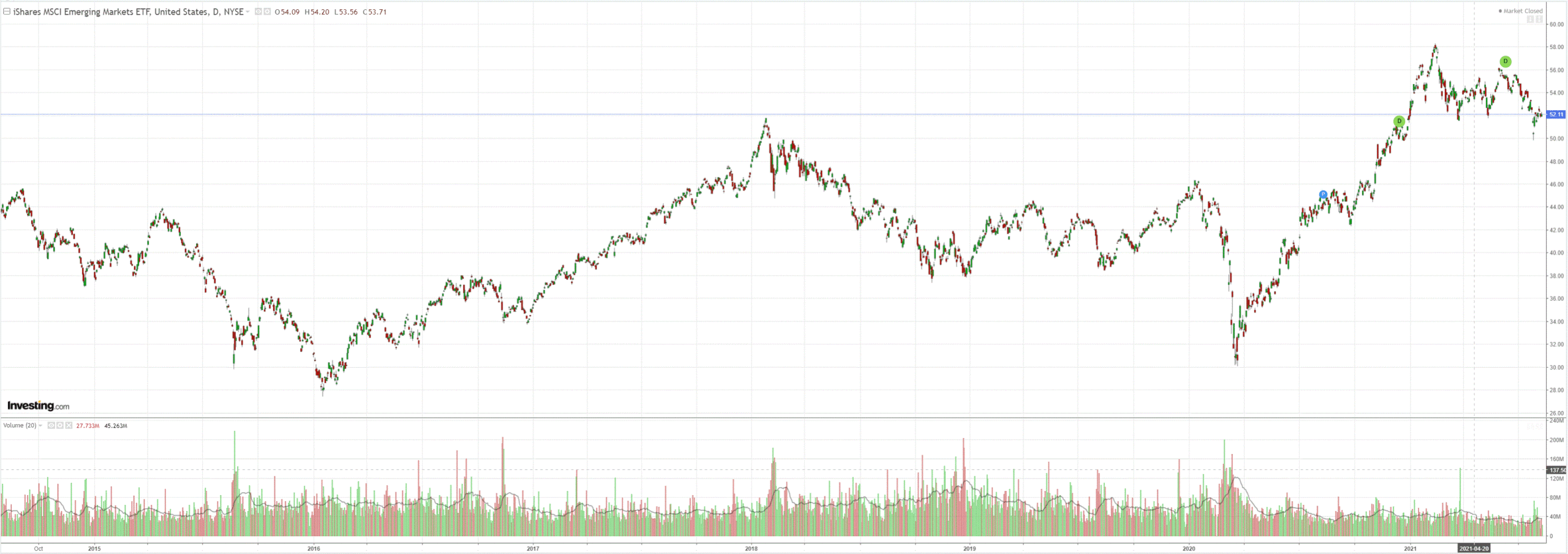
EM stocks are at the same cliff:
Advertisement
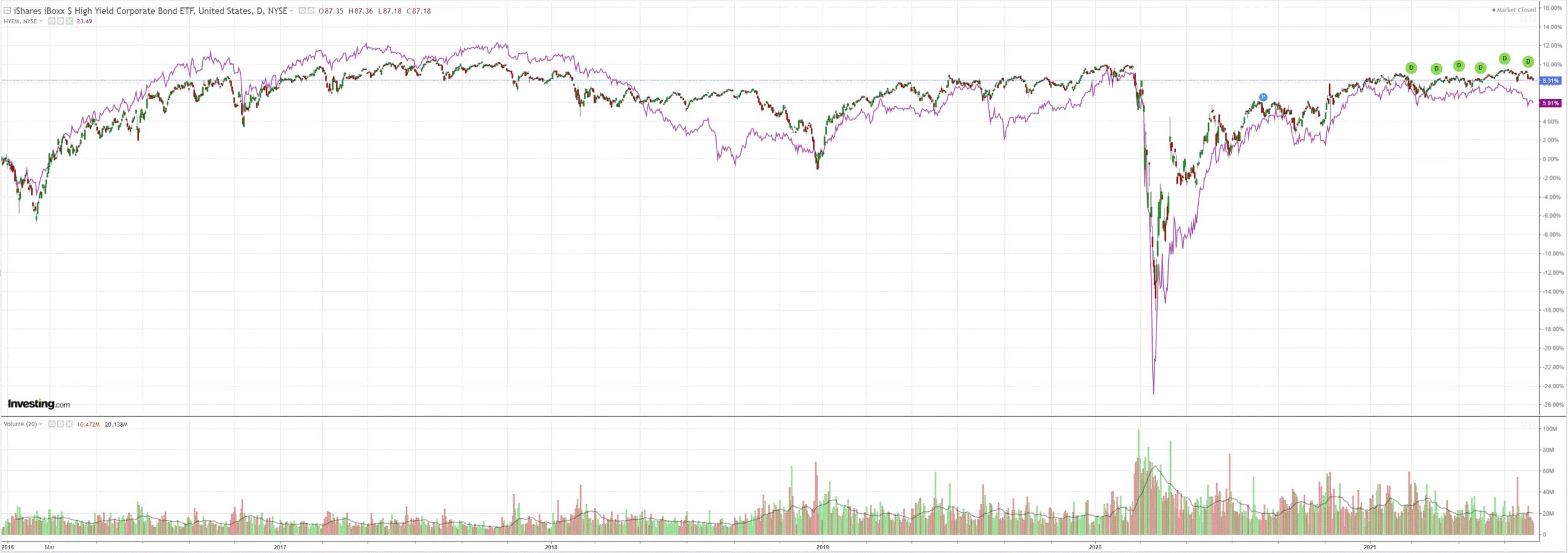
The early warning system of EM junk is going over it:
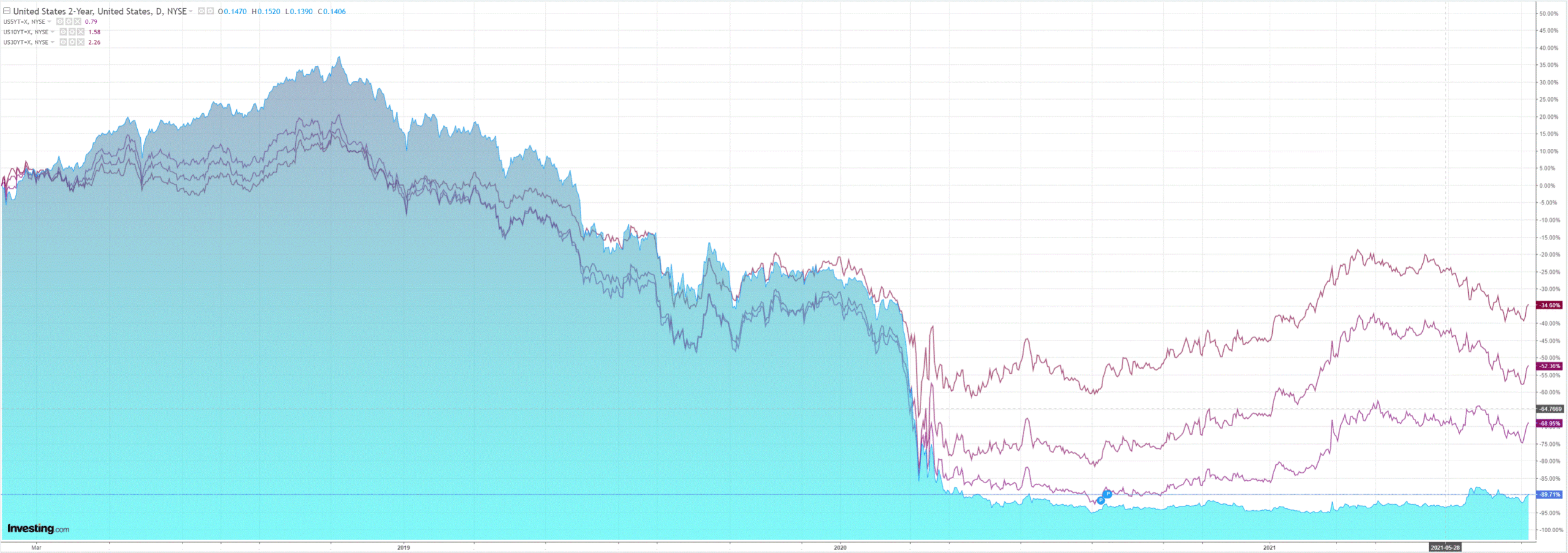
As US yields jackknife on taper:
Advertisement
Stocks were led by growth:
Westpac has the wrap:
Event Wrap
US job openings (JOLTS) in June beat expectations at 10073k (vs 9270k expected, 9483k prior) – a record high. The openings rate rose to a new high of 6.5%, breaking the previous record high of 6.1% in May. The hiring rate rose to 4.6% from 4.2%, and the quit rate rose to 2.7% from 2.5%. Skills mismatches amid pandemic dislocations remain a strong theme in labour data.
FOMC member Bostic said “we are well on the road to substantial progress toward our goals,” given the surge in July’s payrolls data. He believes “substantial progress” will be met upon another month of strong job gains, and he would then support a start to QE tapering in September. He also supports a faster pace of tapering than previously. Along with the labour market, he thinks the inflation goal may have been met too, and worries about people adjusting to the higher inflation rates. Regarding the policy rate, the Committee needs to ensure we’re beyond the crisis before hiking. Rosengren also spoke, saying the Fed should announce in September that it will start reducing bond purchases. He argued that QE is no longer helping jobs, but rather boosting house prices.
Event Outlook
Australia: Themarketwill be gauging the most recent lockdown’s impact on business conditions in the July NAB business survey.
New Zealand: Westpac expects that July retail card spending will remain at a firm level but edge back by -0.5%.July saw the travel bubble with Australia being put on pause, and that’s likely to be a drag on hospitality spending (which had taken a step higher in recent months). Spending on durables, which has driven much of the recent strength in overall spending, is expected to remain robust.
Euro Area: Thestrength of the August ZEW survey of expectations will be tested by the spread of the delta variant.
US: Ahead of theQ2 update, productivity has been thrown around due to considerable labour market flux – the market is anticipating a rise of 3.2% in Q2. The market will be seeking insights into employment and prices from the July NFIB small business optimism survey (market f/c: 102.0). Finally, the FOMC’s Mester will discuss inflation risks.
In short, US inflation is aiming directly for a head-on collision with Chinese deflation. Who will win? China. Why? Because it always does. But also because the Fed is on its side while it commits a major policy error by tapering when China is already tightening enough to deflate the world.
Advertisement
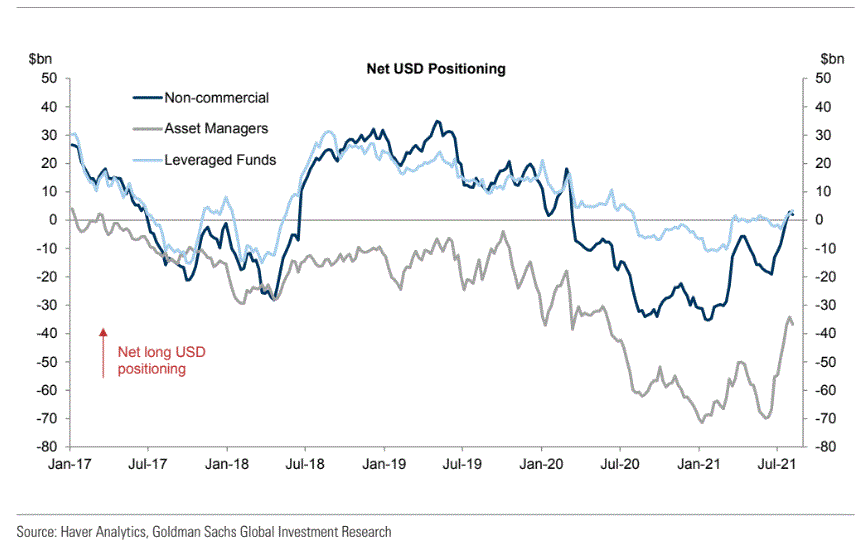
Markets are not ready for the Fed with DXY positioning still short:
In the week ending August3, non-commercial traders net sold $1bn USD after net purchases in the six consecutive weeks prior. Asset managers appear to have driven the net sales, while leveraged funds continued to net purchased Dollars. Flows were broadly muted across most currencies in the report—non-commercial traders net purchased GBP, JPY, CAD, MXN while also net selling AUD, NZD, and CHF. Asset managers turned to net sellers of US Dollars after eight weeks of net buying. They mainly net purchased GBP, and net purchased smaller amounts of JPY, EUR, CAD, CHF, NZD, MXN, and BRL. They also net sold a small amount of AUD. Leveraged funds continued to net purchase Dollars, against net sales of EUR, CHF, NZD, and CAD. They were also net buyers of small amounts of GBP, JPY, and MXN.
China has killed the reflation with credit clamps and the Fed is cremating the body. Until one or both turn, the Australian dollar is going to burn.
David Llewellyn-Smith is Chief Strategist at the MB Fund and MB Super. David is the founding publisher and editor of MacroBusiness and was the founding publisher and global economy editor of The Diplomat, the Asia Pacific's leading geo-politics and economics portal.
He is also a former gold trader and economic commentator at The Sydney Morning Herald, The Age, the ABC and Business Spectator. He is the co-author of The Great Crash of 2008 with Ross Garnaut and was the editor of the second Garnaut Climate Change Review.