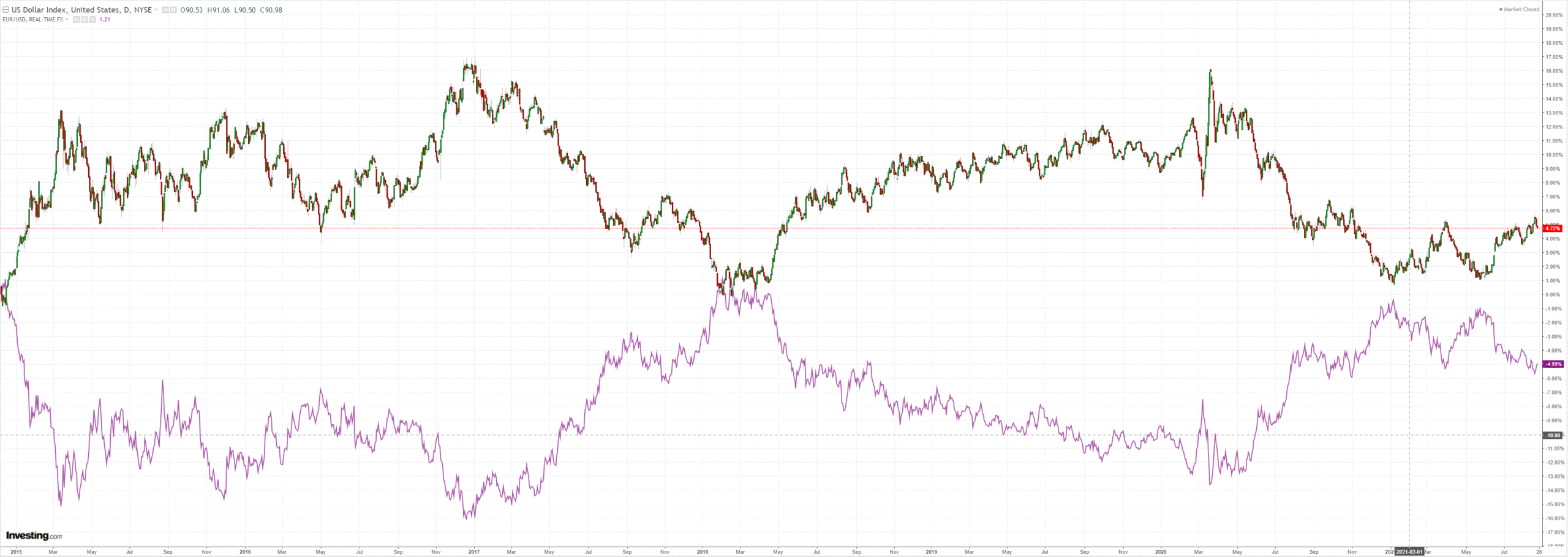
Forex markets have jackknifed. Sorting out why is no mean feat. DXY was soft again but is still holding support at previous resistance. EUR was up:
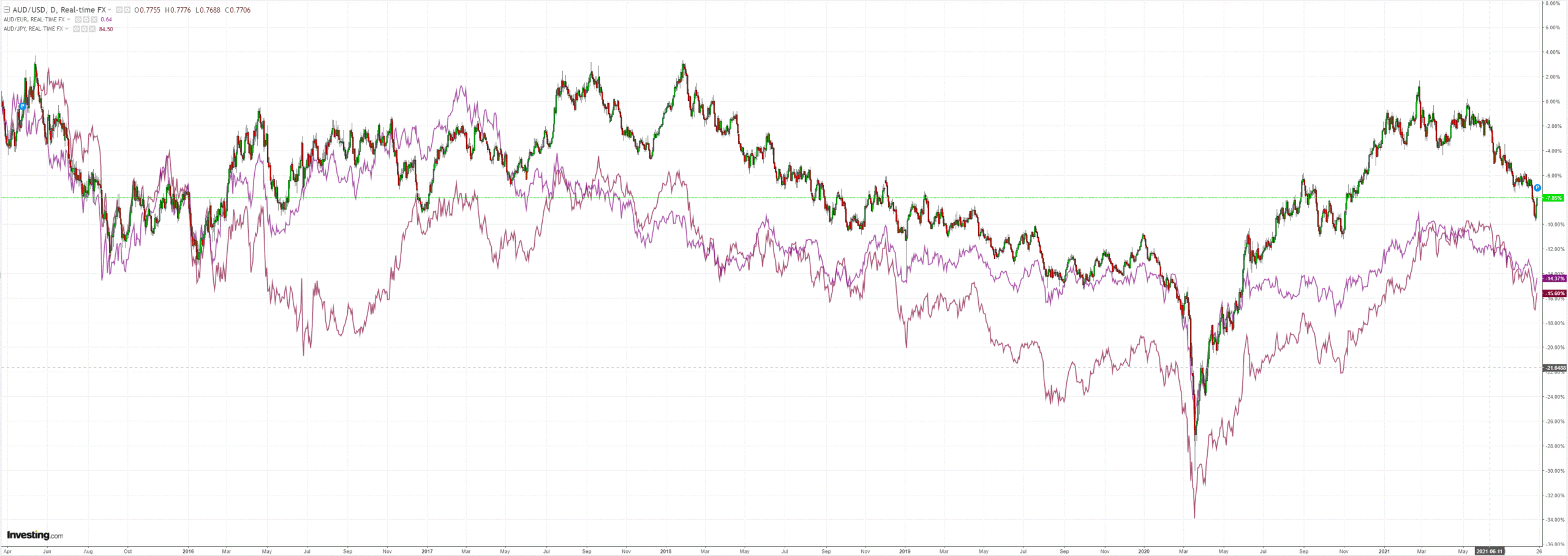
The Australian dollar is bouncing like a dead cat:
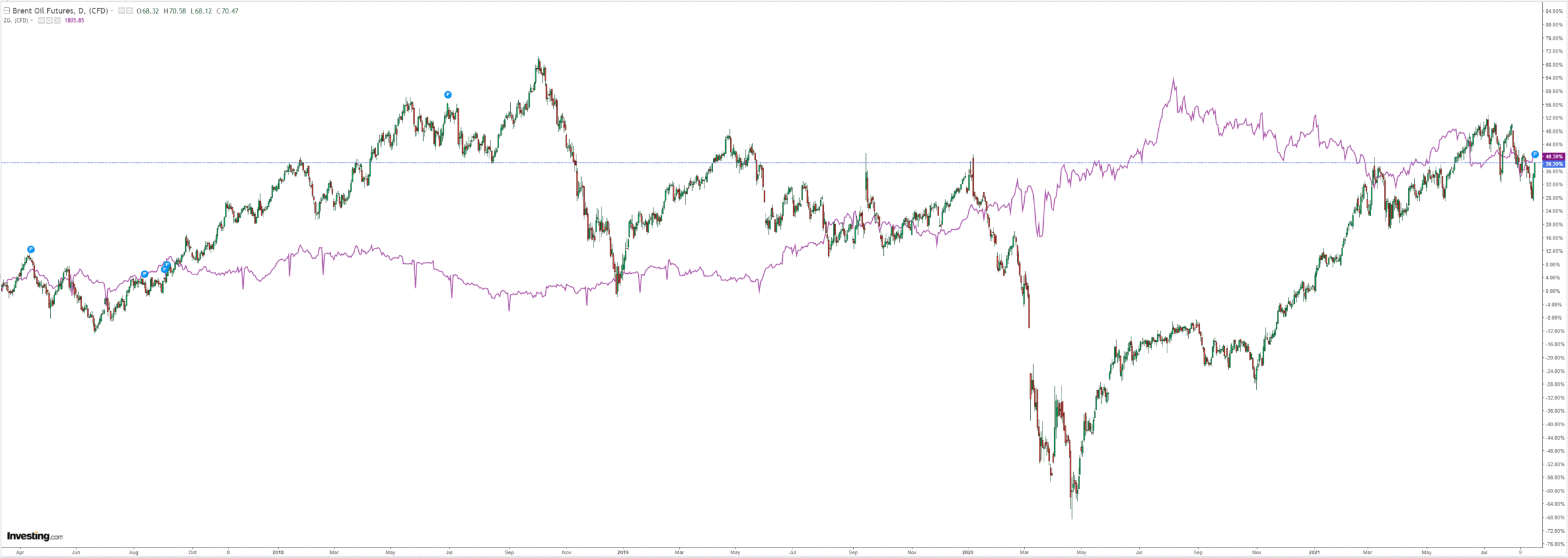
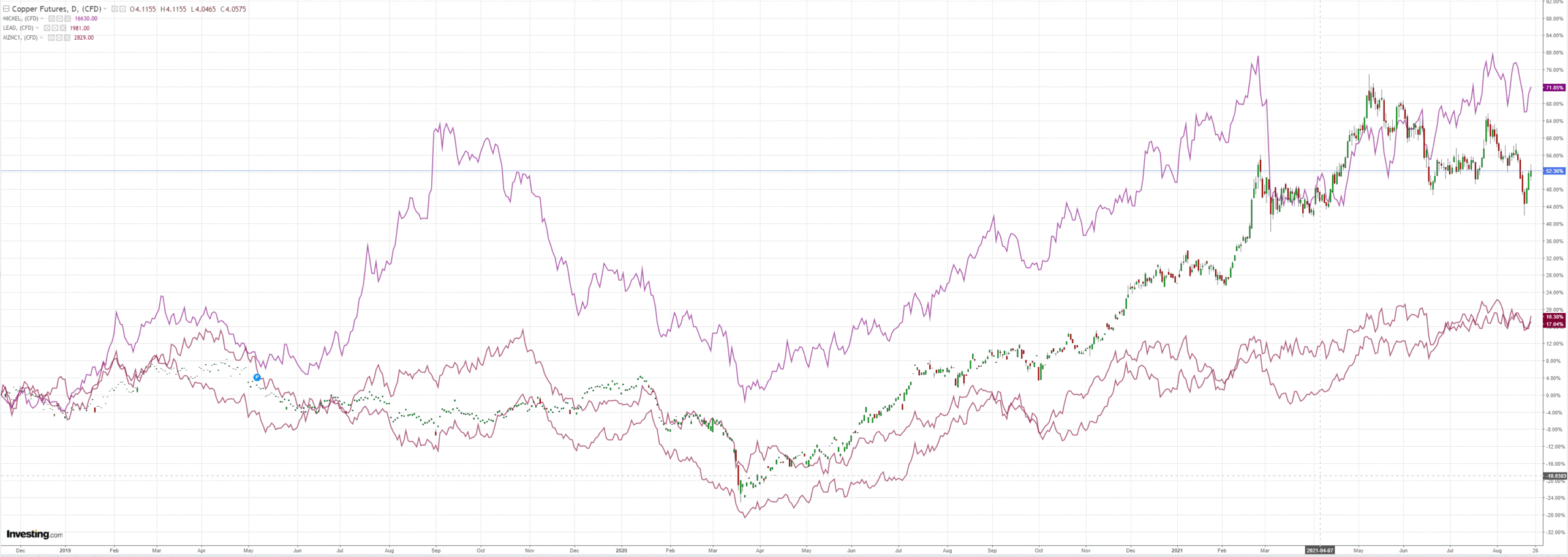
All commodities too:
Advertisement
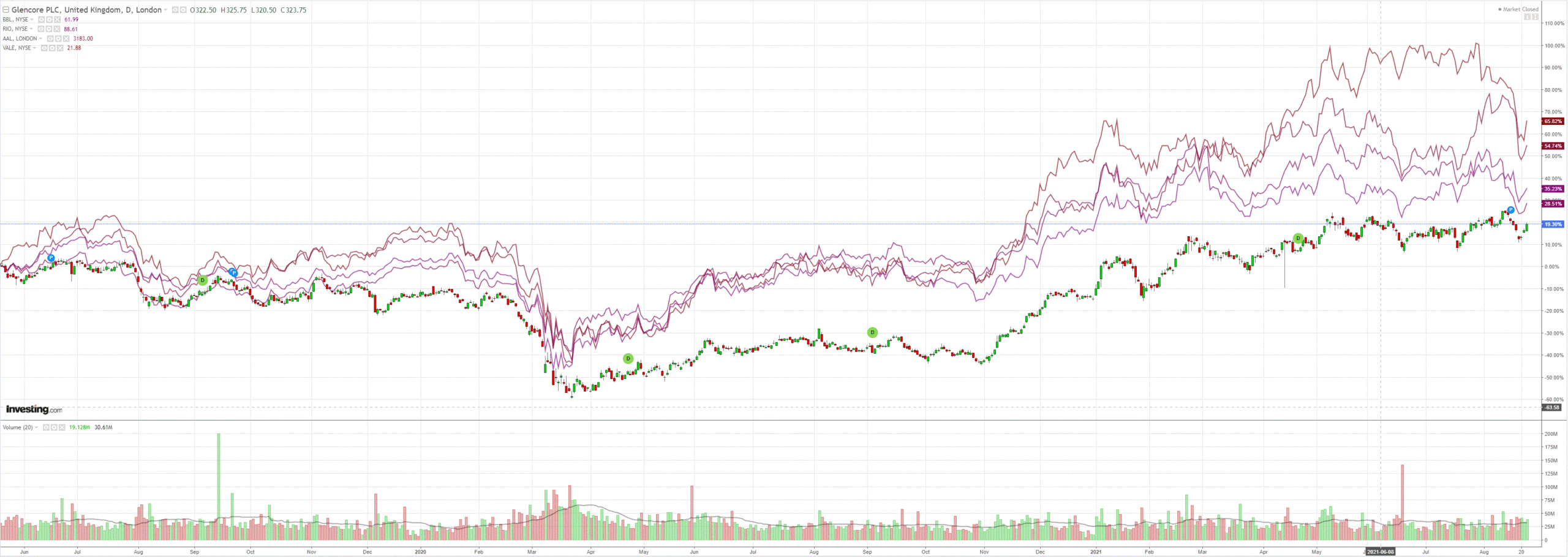
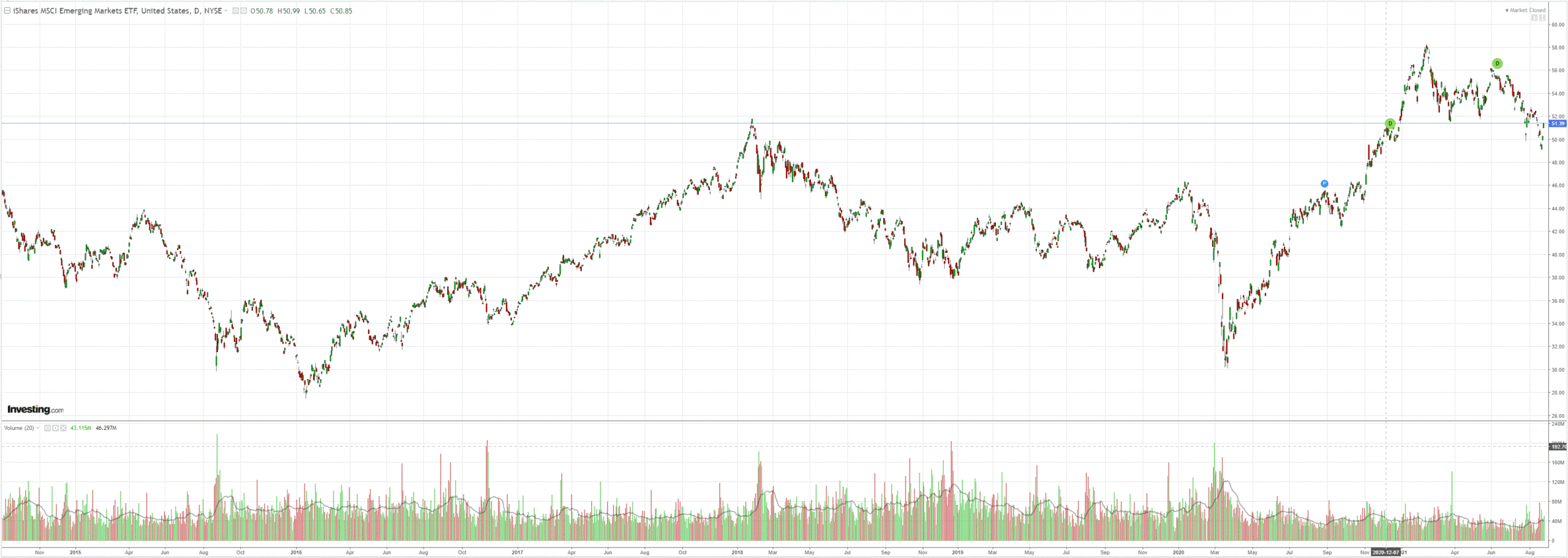
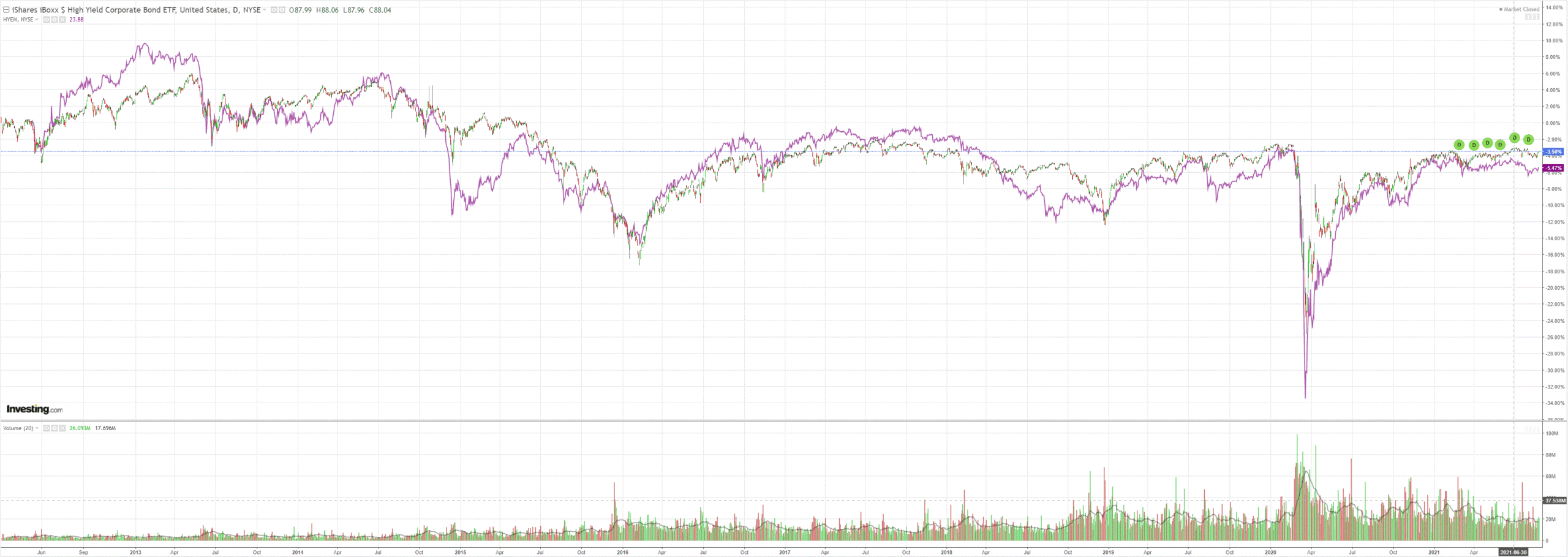
Plus miners, EMs and junk:
Advertisement
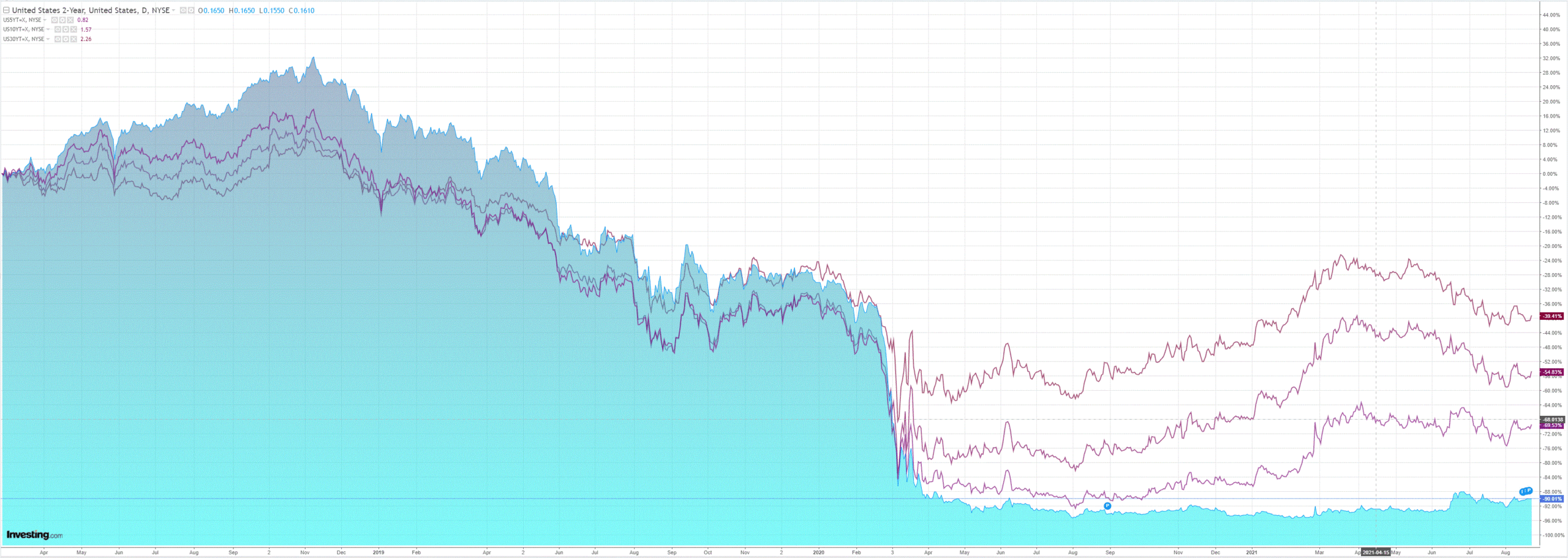
The US curve steepened:
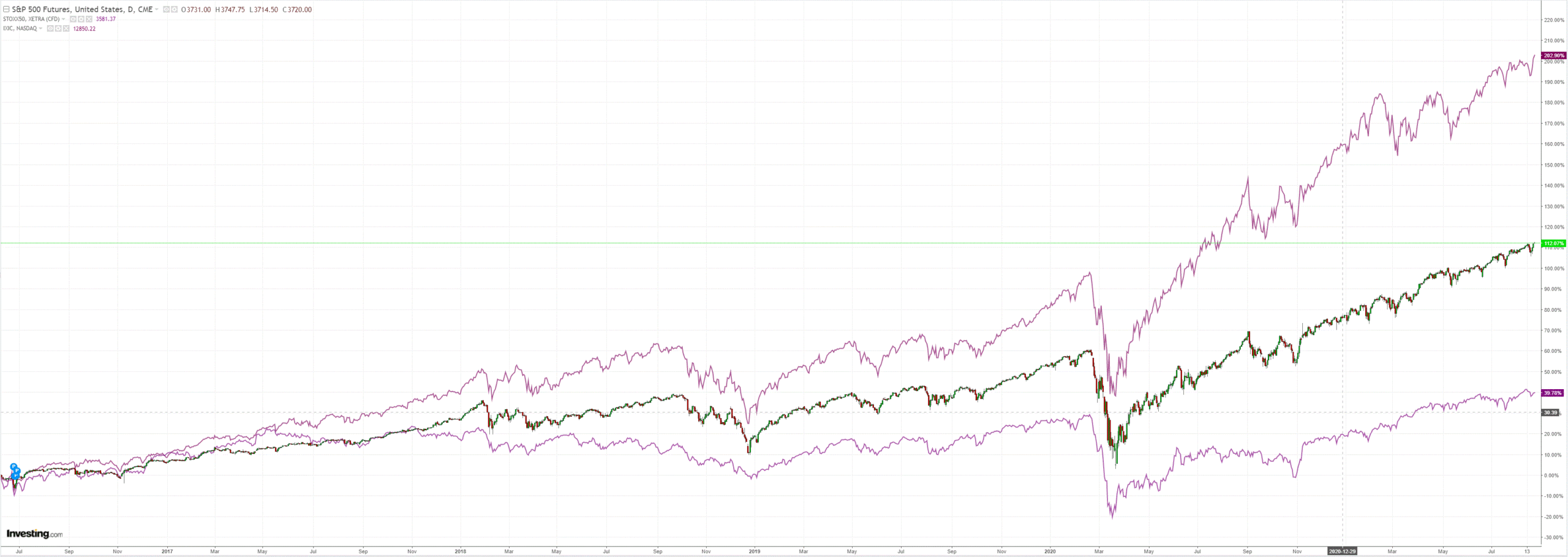
Stocks flew but led by growth:
Advertisement
Westpac has the data:
Event Wrap
US new home sales in July rose 1.0% (est +3.1%) to an annualised rate of 708k (est. 697k, prior revised from 676k to 701k). Although lower than peaks in late 2020 and Jan 2021 in the 975k-995k region, this remains a historically strong level.
The Richmond Fed August manufacturing index fell more than expected but remained in expansionary territory at 9 (prior 27, est. 24). The fall reflected supply constraints, slower new orders (to 5 from prior 25), and tightness in employment growth. Notably the report cites “many firms increased employment and wages in August, as the wage index hit a record high. Firms struggled to find workers with the necessary skills, and they expected these trends to continue in the coming months.”
The final German 2Q GDP reading rose slightly to 1.6%q/q (from initial 1.5%q/q), with a lift in government spending offsetting lower private consumption and investment.
UK CBI August retail survey was released a day earlier than scheduled and indicated strong consumption, the sales index rising to +60 (other than a spike in 2014 to 61.0, it’s the highest since the late 1980’s).
Event Outlook
Australia: Westpac expects Q2 construction works done to lift 0.9%, with gains supported by housing and public works. Housing is responding to record low rates, the HomeBuilder program and a shift in spending to renovations with the national border still closed. Public works is lifting as governments commit to new projects – as part of the stimulus package.
New Zealand: Westpac is forecasting the July trade balance to dip to -$390m, driven by robust imports whilst exports ease after a strong June.
Germany: The July IFO business climate survey will be watched closely to gauge the impact of supply constraints and still-elevated infections on business sentiment (market f/c: 100.2).
US:Durable goods orders are likely to moderate in July, with softer results for aircraft and defence orders to be partly offset by an uptick in vehicle orders (market f/c: -0.3%).
Commodities and risk trades have been given a triple boost:
There are doubts about the Fed tapering.
The PBoC issued a new statement saying it will seek to stabilise credit, and
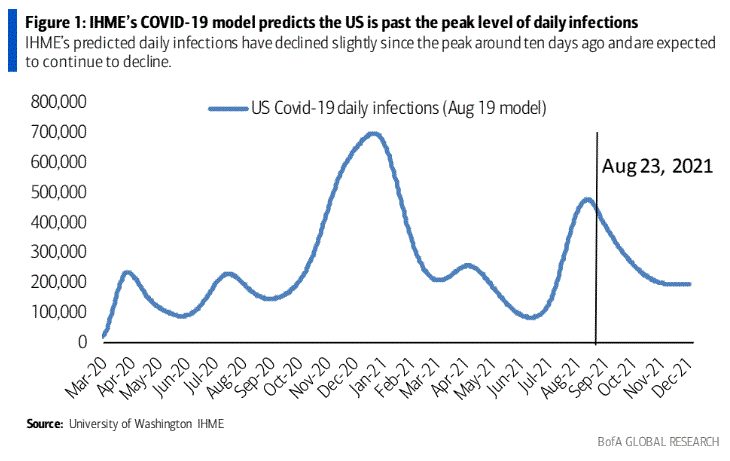
Delta is topping out in the US.
Advertisement
On the last, BofA:
Evidence–such as the University of Washington’sIHME model–suggests the US is now past the peak level of dailyCOVID-19infections caused primarily by the Delta variant. While daily new cases–a subset of new infections–also showed a small decline yesterday (to 147,294 from 147,550the prior day, 7-day average), keep in mind this data is noisier due to varying levels testing activity and potentiallyHurricane Henri. The much cleaner data for number of people hospitalized withCOVID-19 rose just 7.8% the past week which, due to its lagged nature and very rapid pace of decline, is consistent with the US being past peak level infections. Moreover the recent one-point decline in theCOVID-19 test positive rate to 9.32%–another indicator we are past peak level infections–highlights one driver of high daily case counts is merely more testing activity.
The thing is, if Delta is taking a back seat and markets are hitting new highs then why would the Fed not taper?
As well, the PBoC commitment is still incremental and targeted, delivering nothing new for commodity demand.
Advertisement
To my mind, Delta has been the saviour of markets because it has masked the real problem of draining liquidity.
Until we see that reversed I remain bearish the Australian dollar.
David Llewellyn-Smith is Chief Strategist at the MB Fund and MB Super. David is the founding publisher and editor of MacroBusiness and was the founding publisher and global economy editor of The Diplomat, the Asia Pacific's leading geo-politics and economics portal.
He is also a former gold trader and economic commentator at The Sydney Morning Herald, The Age, the ABC and Business Spectator. He is the co-author of The Great Crash of 2008 with Ross Garnaut and was the editor of the second Garnaut Climate Change Review.