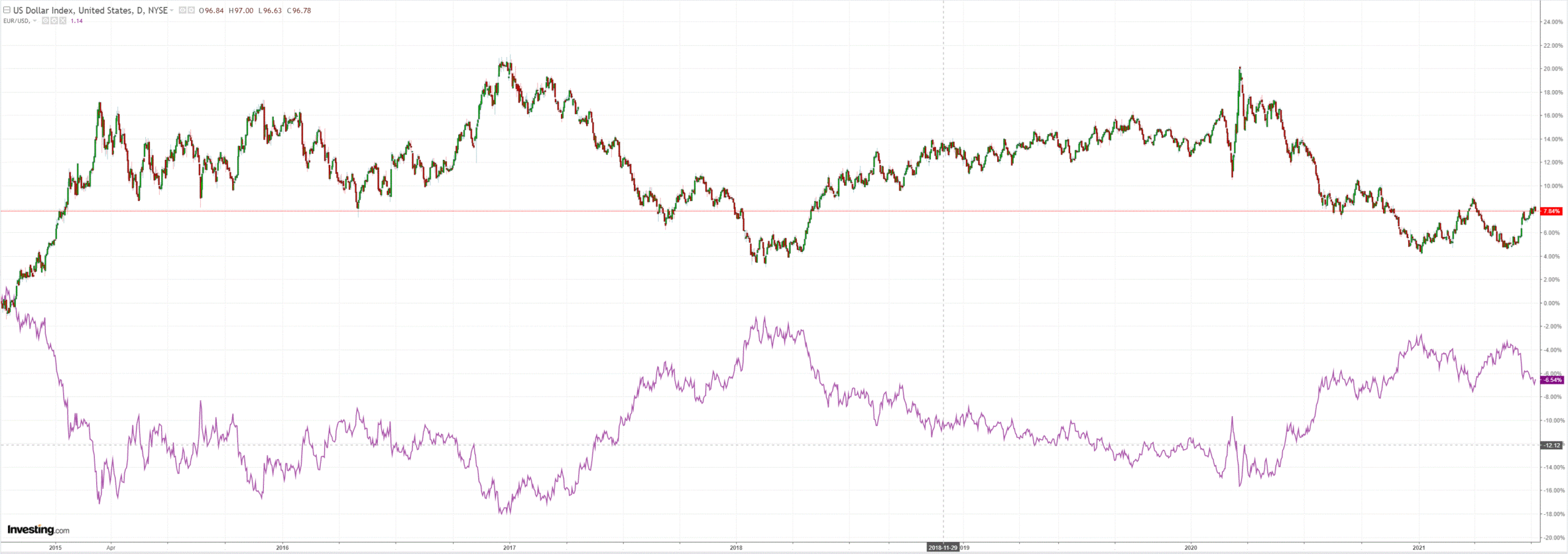
The Amphetamine Cycle is back for forex. Every time I posit a future factor rotation for this post-COVID world it comes upon us in weeks rather than months. Let alone what used to be years. What’s happening now is my growth shock risk case thesis is gathering momentum daily as yields plunge and this is wreaking havoc with currencies. DXY was softish as EUR rose which only tell us that is not yet anything like genuine risk off:
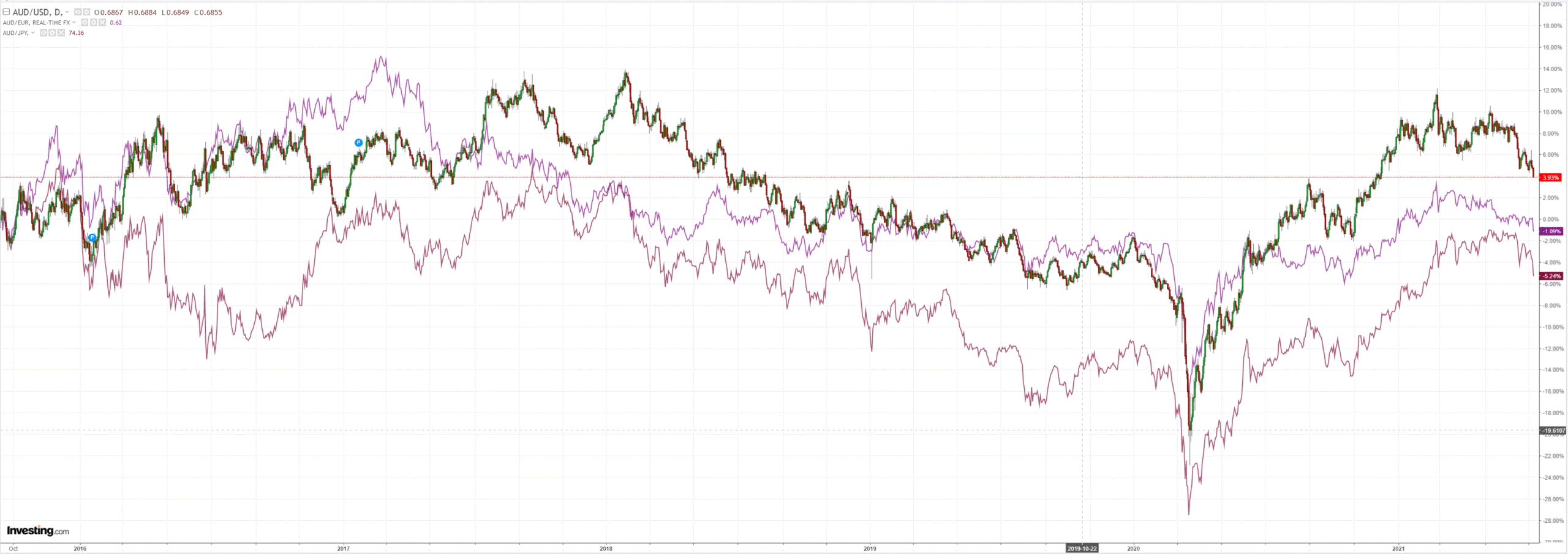
But the Australian dollar was comprehensively poleaxed anyway. The break against JPY is very bearish for wider risk:
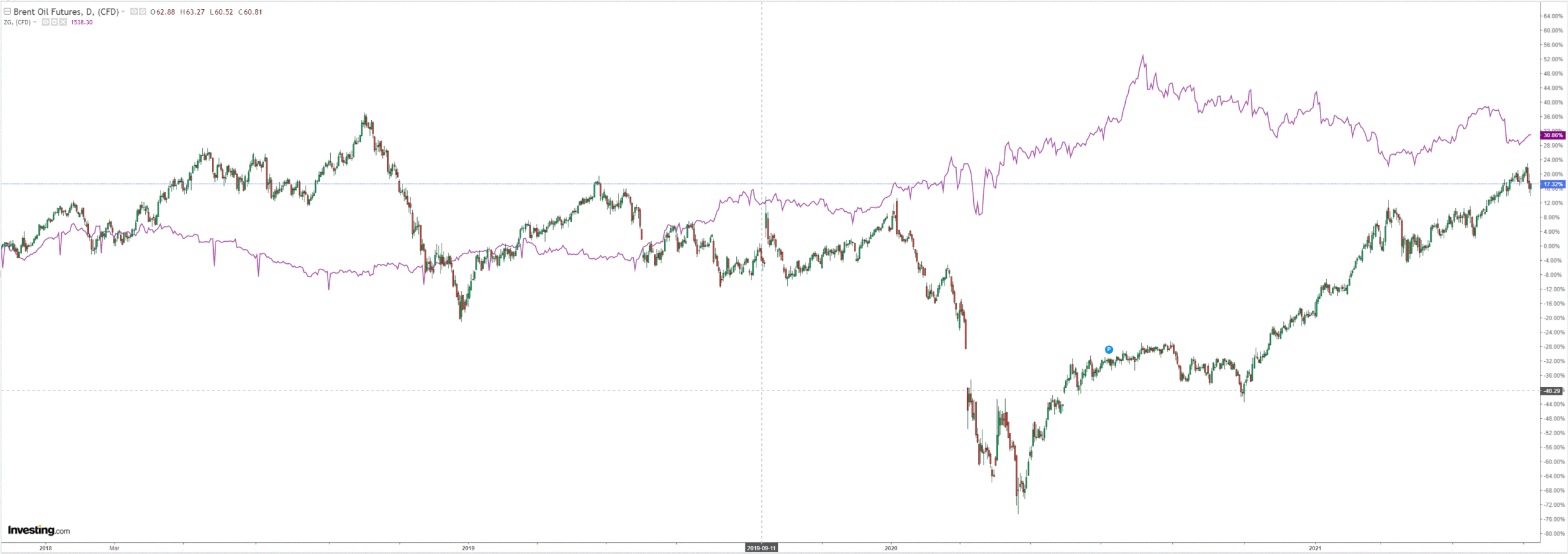
Gold fell and oil is in deep trouble:
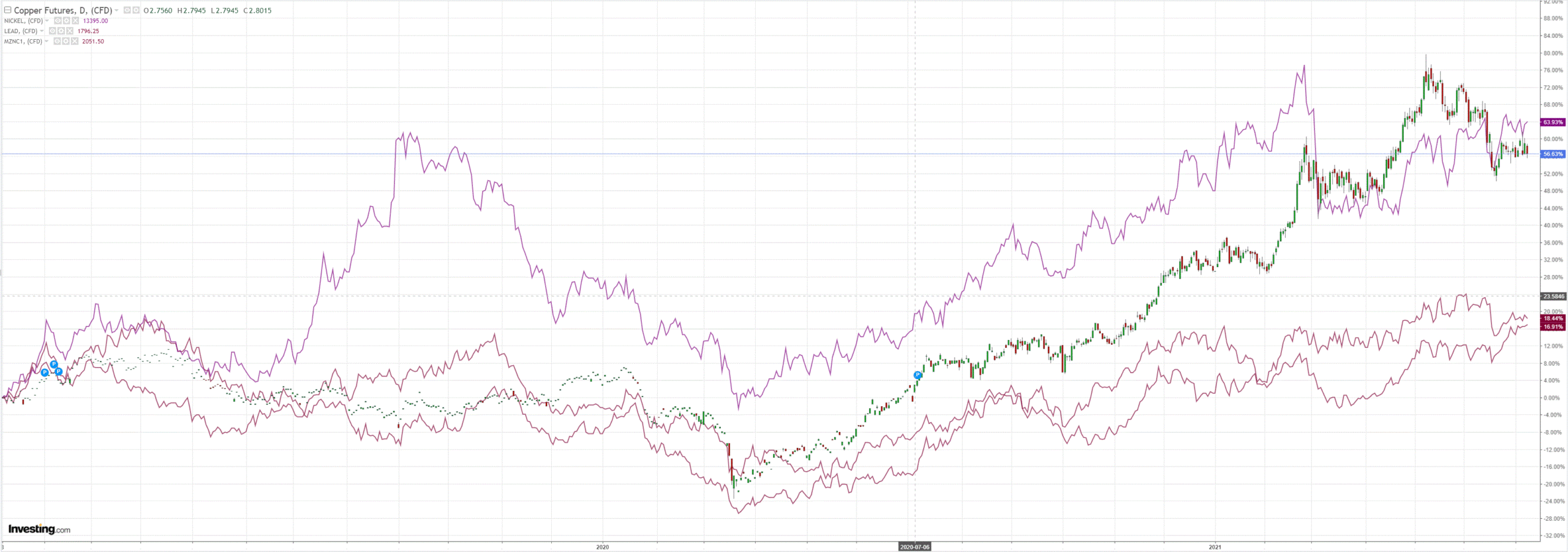
Base metals eased:
But miners were crushed:
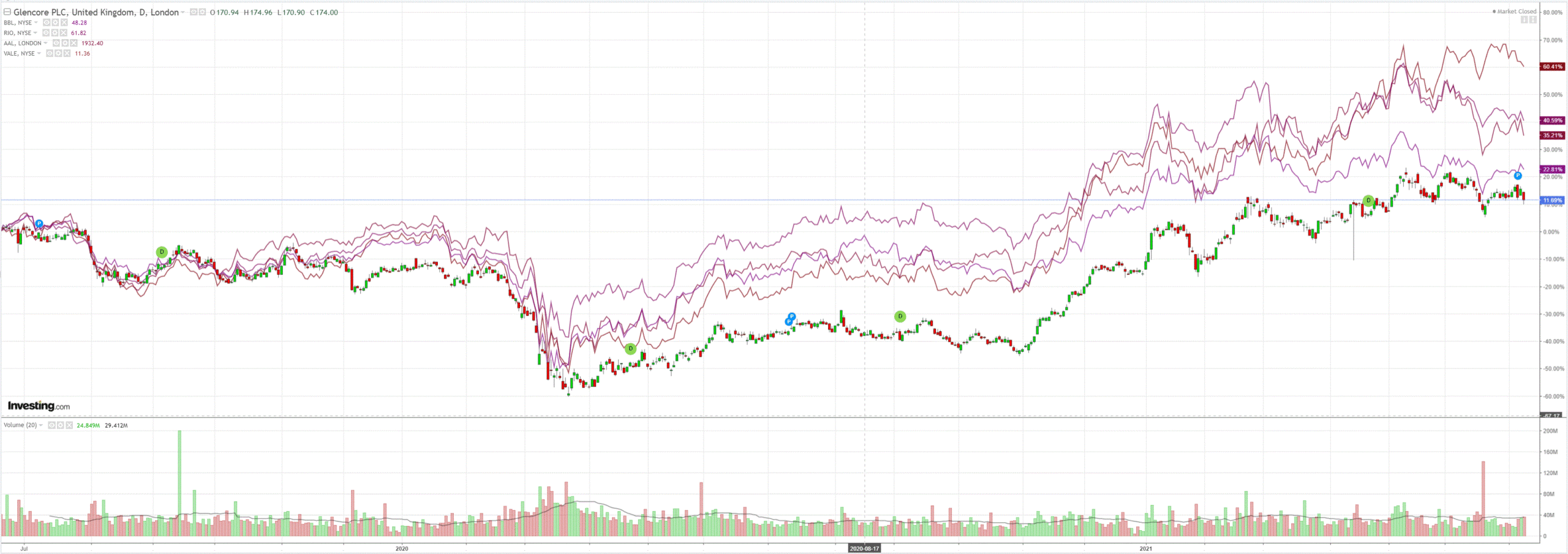
EM stocks are back at the cliff:
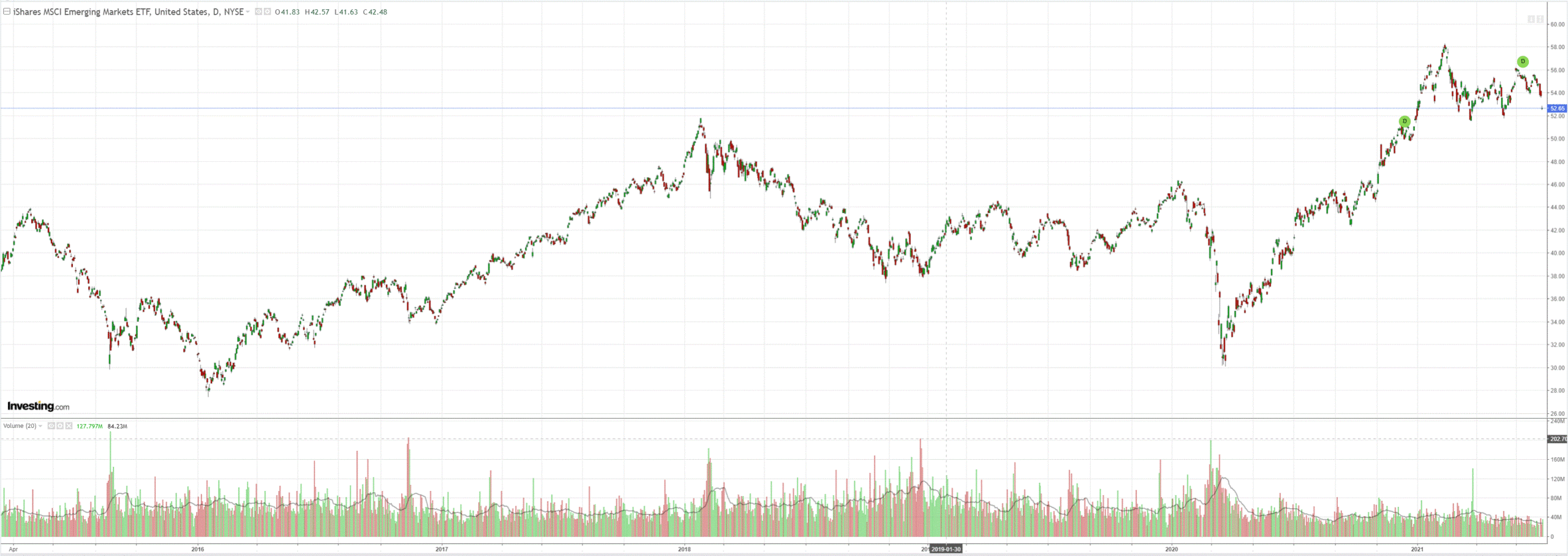
But junk is fine:
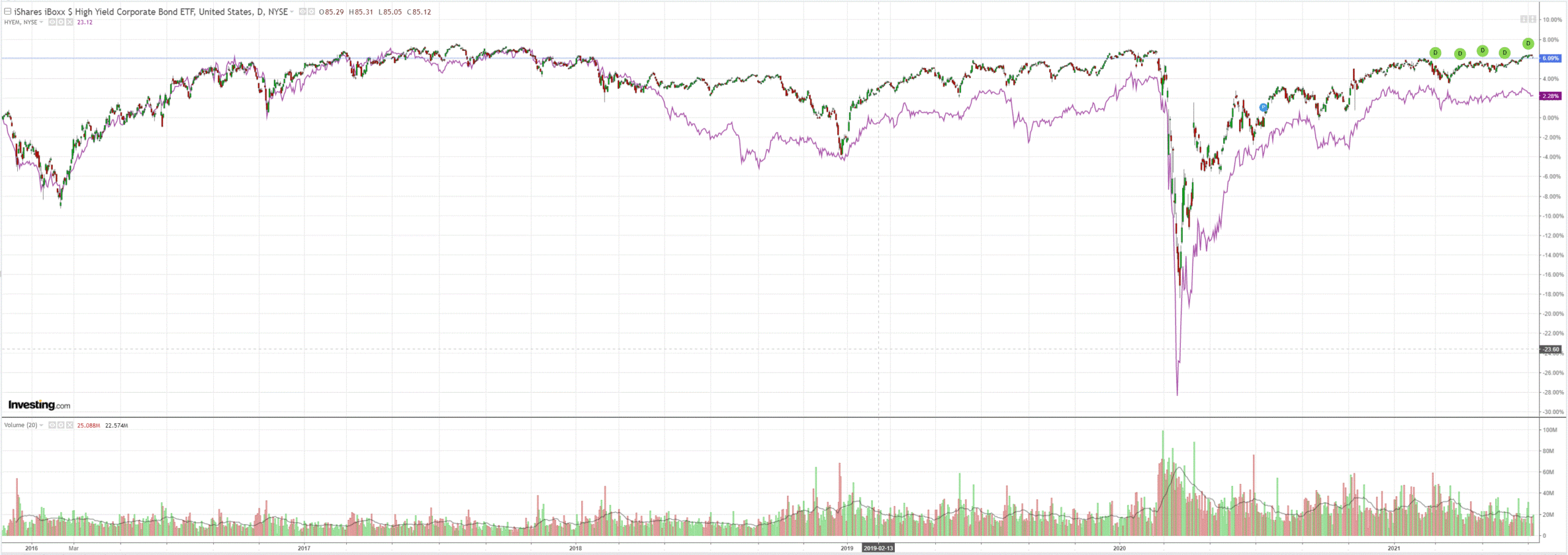
As the US curve is obliterated:
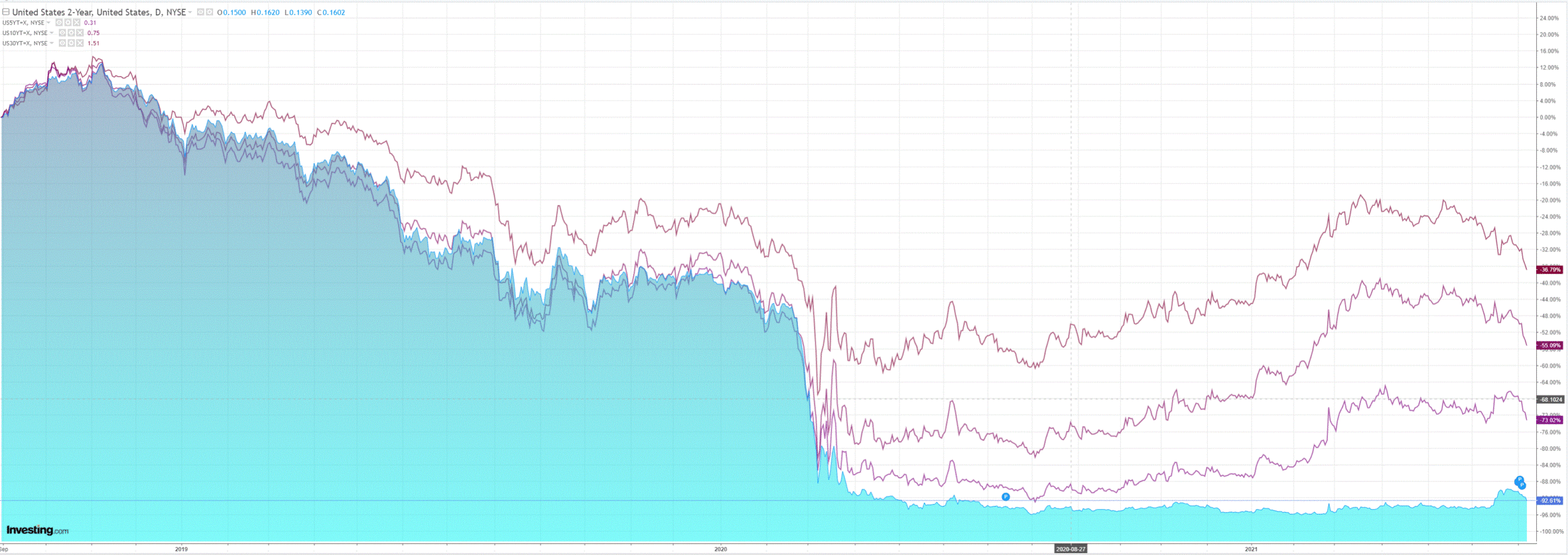
Hammering value over growth:
Westpac has the wrap:
Event Wrap
US weekly initial jobless claims of 373k were slightly above the market estimate of 350k, the prior week revised to 371k from 364k. Continuing claims were close to expectations at 3.339m (est. 3.350m).
The ECB announced its 18-month long strategic policy review, approving a shift in the inflation target to 2%, from its previous target of “below but close to 2% over the medium term”. While it’s a modest shift, it does indicate that the ECB is not in a hurry to withdraw stimulus. The ECB was explicit on symmetry, stressing that “negative and positive deviations of inflation from the target are equally undesirable” and that “when the economy is operating close to the lower bound on nominal interest rates, it requires especially forceful or persistent monetary policy action to avoid negative deviations from the inflation target becoming entrenched. This may also imply a transitory period in which inflation is moderately above target”.
Event Outlook
China: The June PPI is expected to show another 8.8%yr surge on base effects and commodity price strength. However, CPI growth should be more modest (market f/c: 1.2%yr). June new loans are set to rise to CNY1850bn, with the focus squarely on quality lending. M2 money supply, which has eased off mid-2020 peaks, is expected to hold at 8.3%yr in June.
The ECB clarification around average inflation targeting clear the air and probably aided EUR, via Goldman:
The Governing Council adopted a 2% inflation target in its strategyreview and agreed that owner-occupied housing costs should be reflected in the HICP. Although the target is symmetric, the ECB signals tolerance to temporarilyovershoot 2% inflation given the lower bound on interest rates, but does not call for make-up strategies. The strategy review included little news on the monetary policyinstruments, stressing that policy rates remain the primary monetary policyinstrument. The Governing Council agreed on a climate-related plan, incorporatingclimate factors in its monetary policy objective and adapting the design of itsmonetary policy operational framework.
The EUR was perhaps lifted by the inclusion of house prices in monetary policy decisions, which have a habit of running away in places like Netherlands, Spain and Ireland. Not least, right now.
But, that will take time and until we get there, three forces are coming together fast to revive volatility:
- The China slowdown is starting to bite and it is still a long way from turning it around.
- The US slowdown is coming later in H2 as it falls off the $5tr fiscal cliff.
- The global inventory supercycle has peaked, ending the inflation scare and ahead is the great commodity bubble bust to ensure that 2022 is year of global deflation.
- The above three, and prospective Biden stimulus, will drive DXY higher.
There is nothing here to do anything other than smashing the Australian dollar lower until either the Fed or China backtracks to materially more stimulus.