
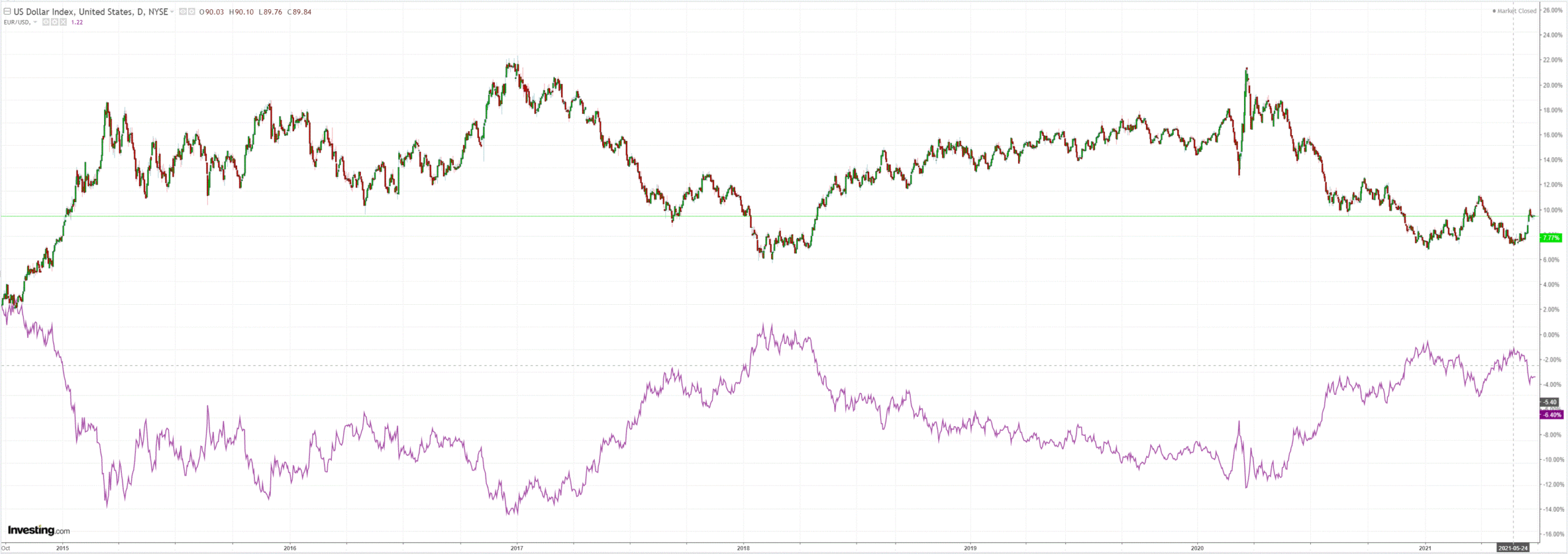
Forex was roughly stable Friday night as new US inflation figures were strong but did not beat estimates, DXY and EUR are stalled as a pair:
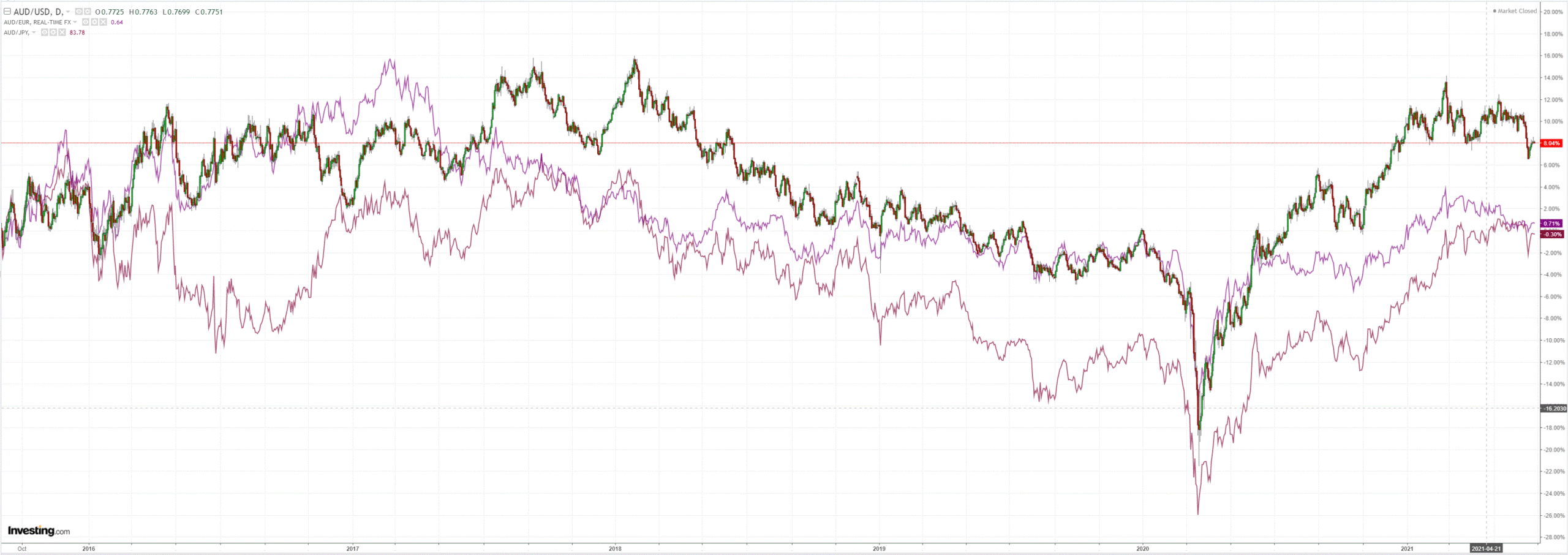
The Australian dollar is still the key support turned resistance line. Above will confirm false breakdown. Rejection will be bearish:
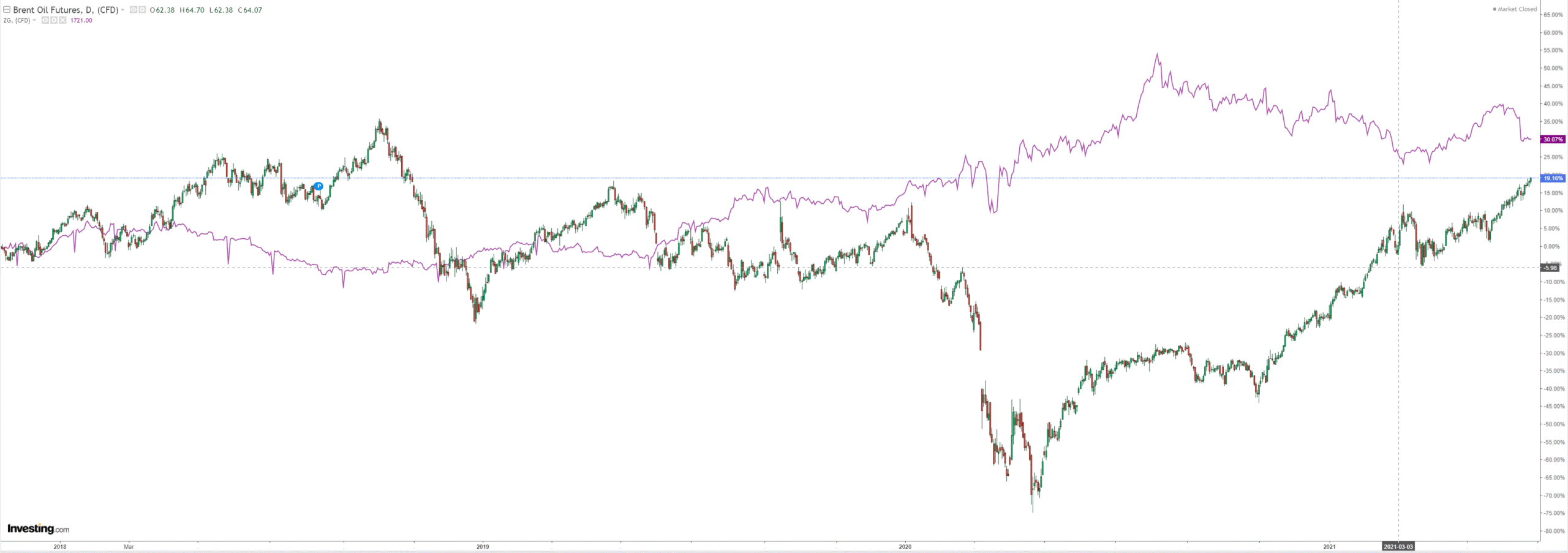
Oil is a one-way ticket for now. Gold the mirror of DXY:
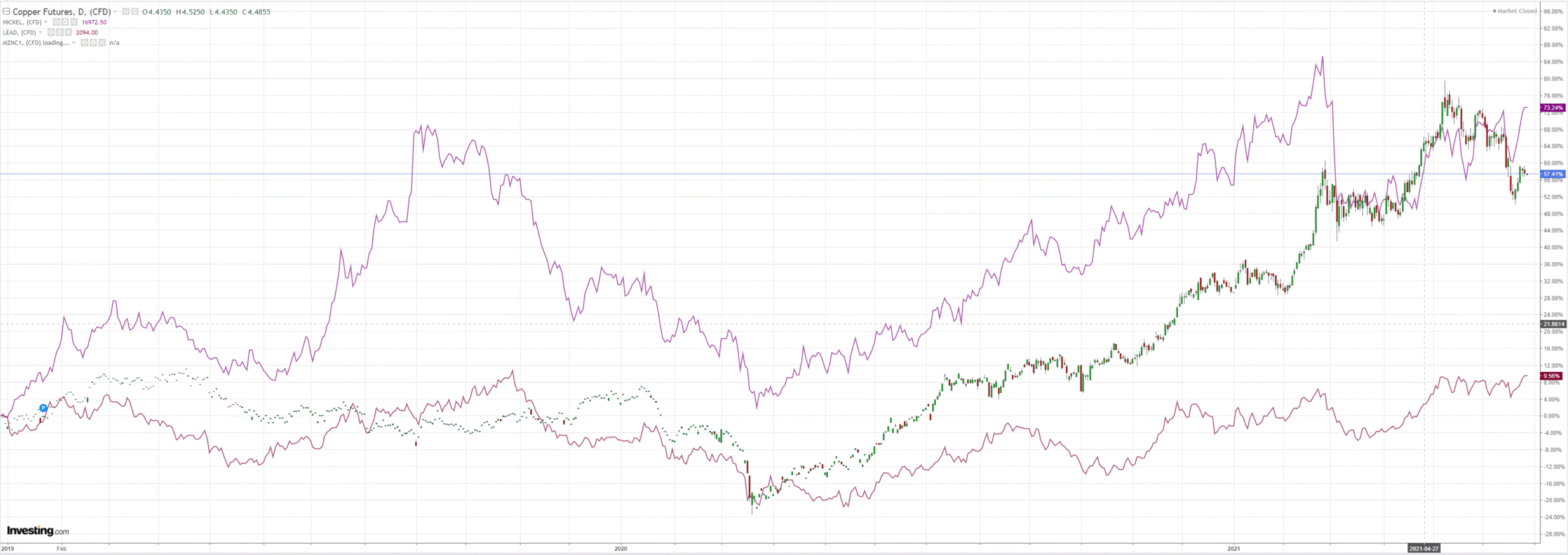
Base metals struggled:
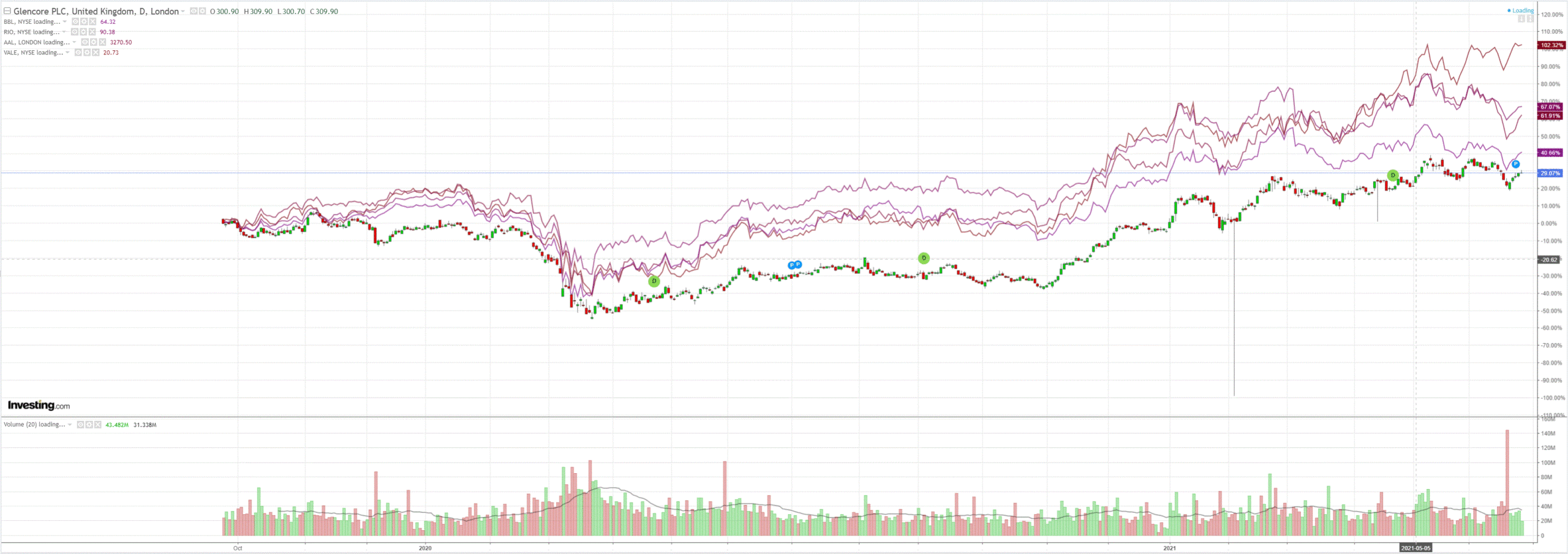
Big miners did OK but Aussies lagged again:
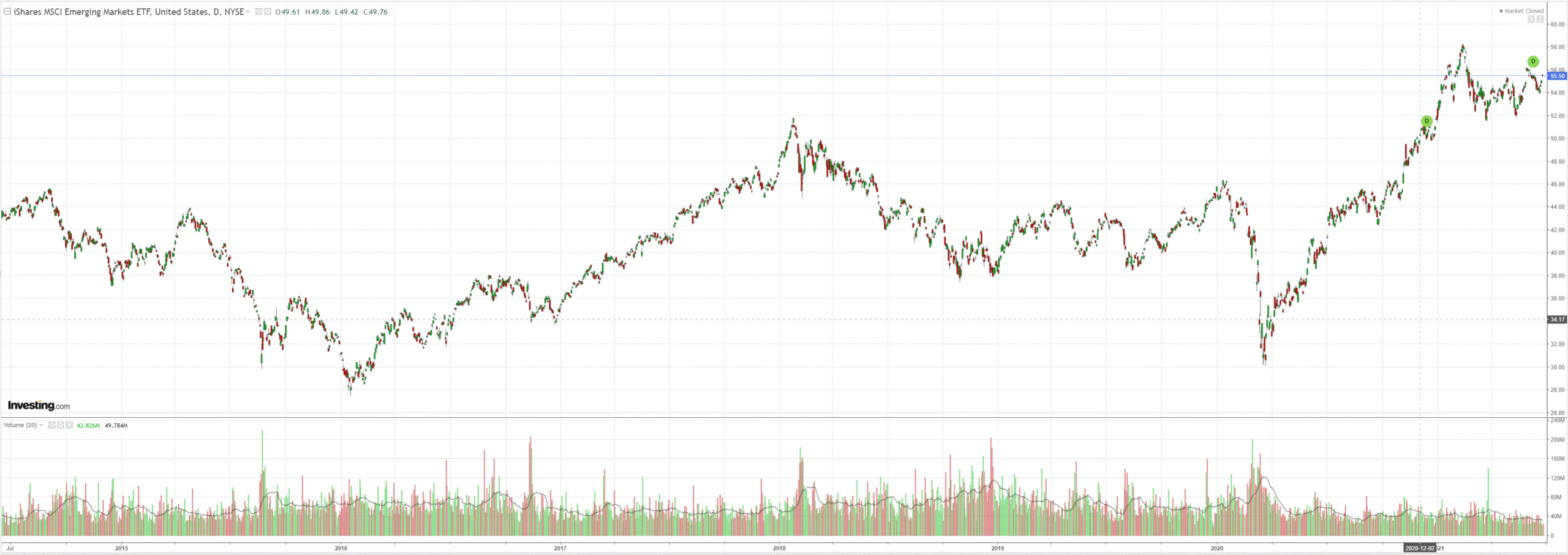
EM stocks popped:
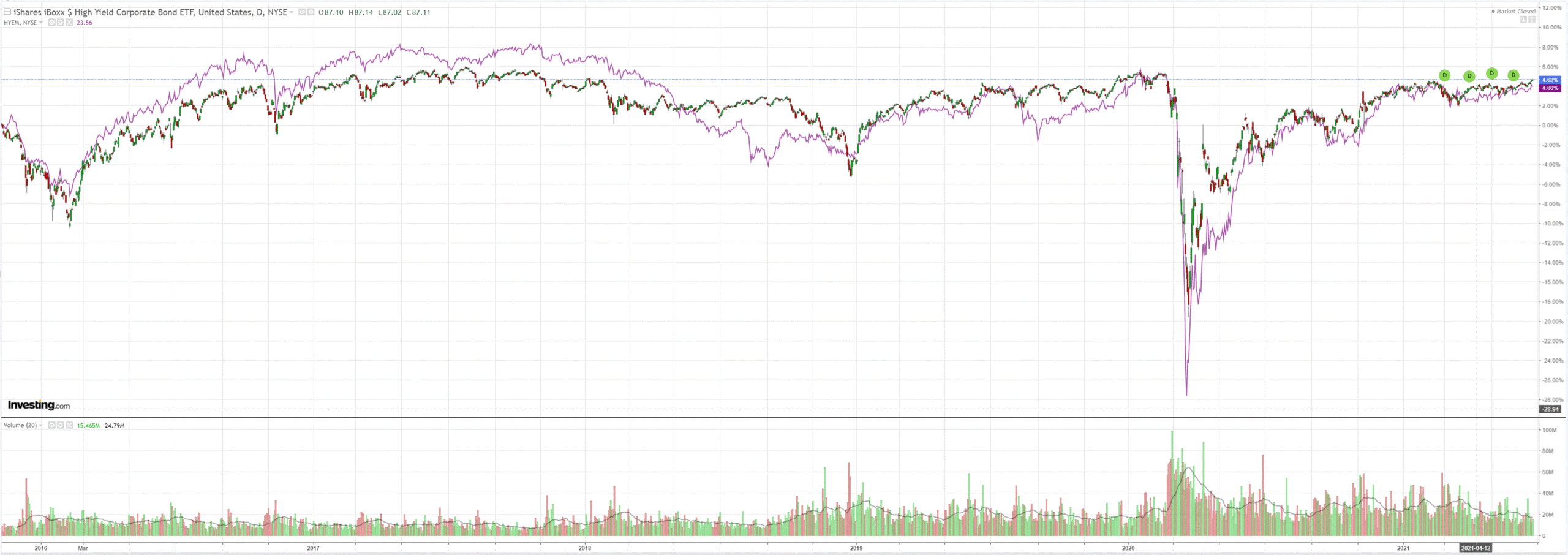
As the dash for trash accelerates:
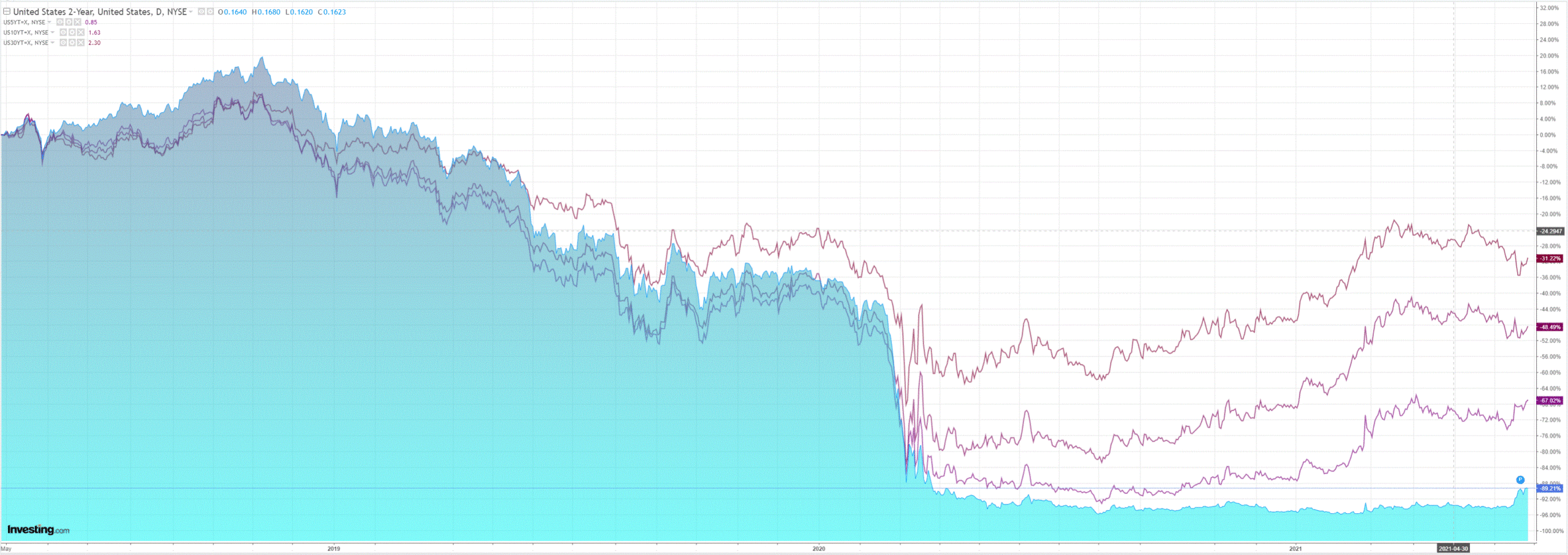
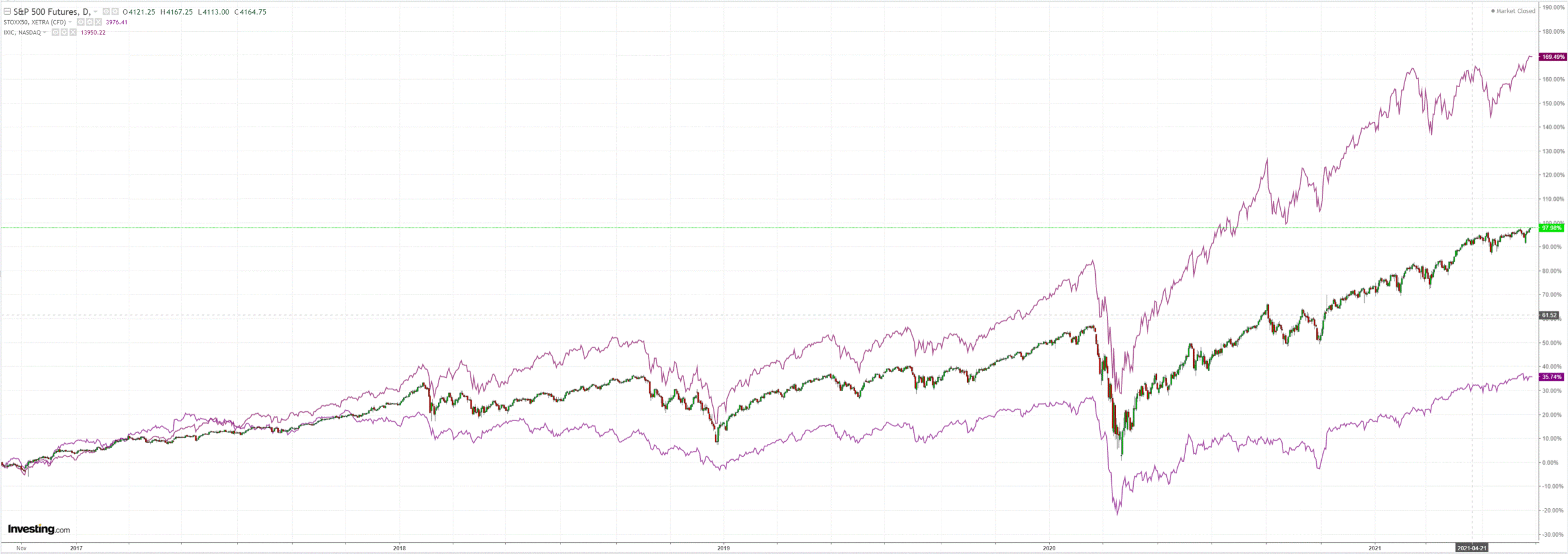
The curve steepened for once:
Which lifted value over growth:
Westpac has the data:
Event Wrap
US personal income fell in May by 2.0%m/m (est. -2.5%), with spending unchanged (est. +0.4%), distortions due to stimulus check payments still evident. The core PCE deflator rose 0.5%m/m (est. 0.6%), for an annual pace of 3.4% (as expected, and above April’s 3.1%).
University of Michigan consumer sentiment survey for June was revised lower to 85.5 from 86.4 (82.9 in May) due to a pullback in current conditions (fell to 88.6 from 90.6, estimate 92.0). The 1yr inflation expectation rose to 4.2% (prelim. 4.0%), but the more important 5-10yr measure remained at 2.8% (was 3.0% in May).
FOMC member Kashkari maintained the core Fed views of inflationary pressures being transitory and further work to be done on employment, while acknowledging the strong recovery and higher near-term inflation readings.
Event Outlook
New Zealand: The monthly employment indicator is based on data from income tax filings. It provides a less detailed but more timely, snapshot of employment trends compared to the quarterly surveys. We’ve assumed a flat outcome for May. Job advertisements have soared to new highs, but the extent to which these jobs are being filled is unclear given concerns about skills mismatches.
US: The market will be looking for signs of bottlenecks and price pressures in the June Dallas Fed Index (market f/c: 32.5). The FOMC’s Williams will take part in a BIS panel.
The US inflation spike is slowing but the Fed dots can’t be taken back (at least, not without some kind of accident), via Morgan Stanley:
- One of the biggest revelations to come from the June FOMC meeting was increased confidence among FOMC participants evident in the dot-plot. While Chair Powell attempted to de-emphasize it, the dot-plot raises reasonable questions about the timing and pace of tapering, and the pace of rate hikes to follow. We think the risk of another taper tantrum is low, but it has certainly risen.
- While the dot-plot no longer plays the same role in forward guidance as it did in 2012, market participant views of its importance remain entrenched. We look back at the period leading into the 2013 taper tantrum and compare it with today. Most differences between then and now reduce our concerns about a taper tantrum in 2021. However, the recent evolution of the dot-plot–a major difference from2013–presents a risk to our view.
- In 2013, primary dealers thought tapering the $45bn/month of USTreasury and $40bn/month of agency MBS purchases would last 3months, according to the April 2013 New York Fed survey. Today, both primary dealers and market participants expect tapering of the $80bn/month of USTreasury and $40bn/month of agency MBS purchases will take 12months, according to the April 2021 New York Fed survey of primary dealers and market participants. Any Fedspeak that suggests a faster pace of tapering is possible or further hawkish dot-plot developments would increase tantrum risk, in our view.
- We continue to believe the best way to hedge ta per tantrum risk is through long positions in USD and short positions in beta-weighted TIPS breakevens, which benefit most from higher real yields. We believe these trades should also perform well if the Fed avoids a taper tantrum after all, while the US economy continues to improve–which is our base case expectation.
That’s bearish both commodities and Australian dollar. Amen to it.
