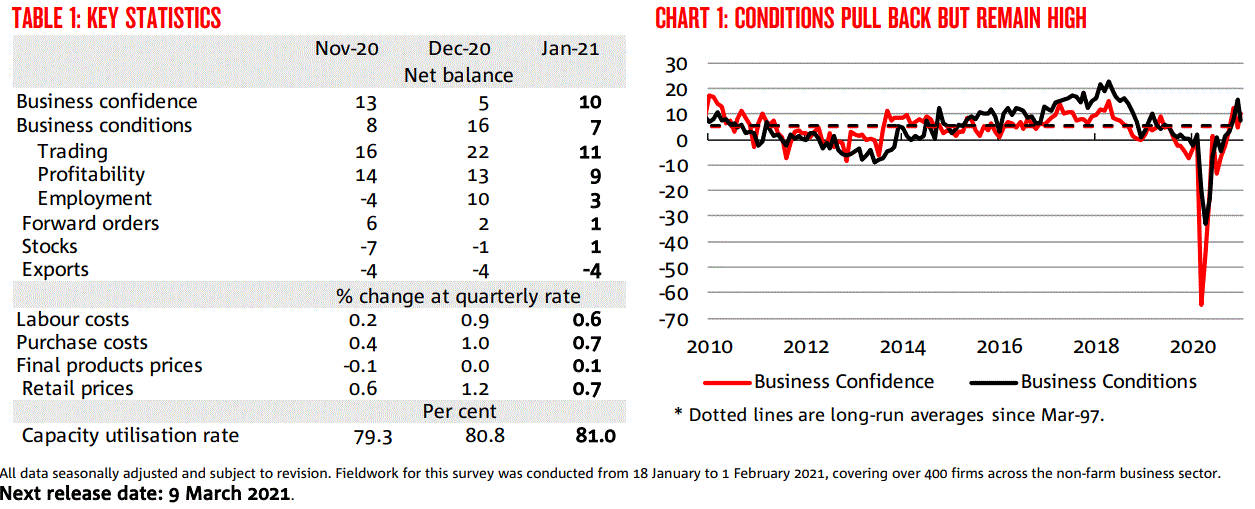
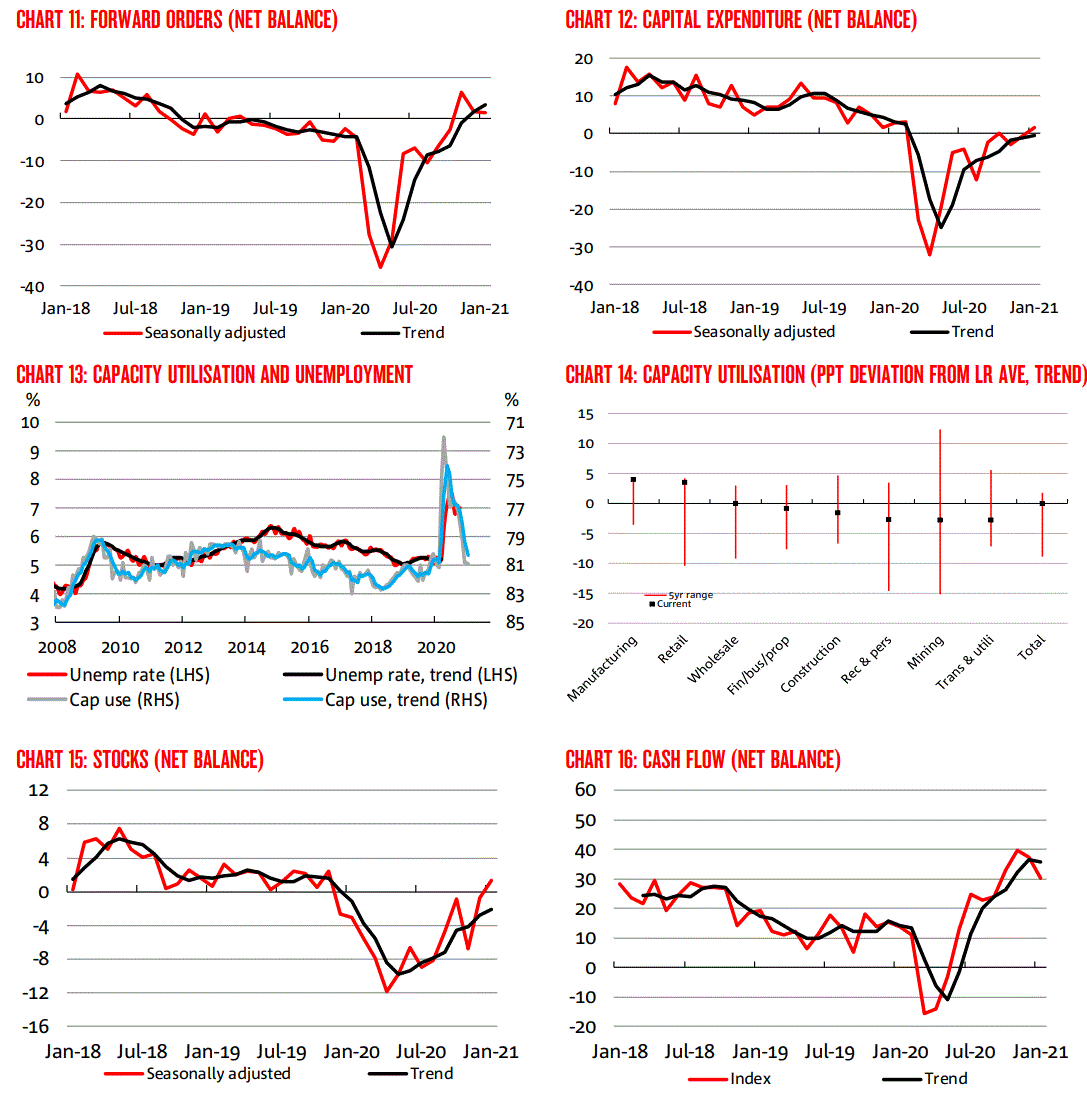
Business confidence rose in January to be well above long-run average, while business conditions fell, after reaching multi-year highs in December. Driving the fall in conditions, businesses reported trading conditions had pulled back to around long-run average levels after a very strong November and December. Profitability and employment also pulled back, though both are above their historic averages. The divergence in conditions across industries continues to track as expected, with retail and wholesale still strong, but recreation and personal services continuing to lag. This is also consistent with confidence that is slightly higher in services pointing to expectations of further recovery there. Elsewhere, key indicators of the level of activity recovered – capacity utilisation and capex – made modest gains, where both are just a little below pre-virus levels. Capacity utilisation also generally reflects the outcomes observed in other economic data, where retail has been operating at a higher level than it has in recent years while some sectors of personal services continue to be impacted by restrictions. As such, given conditions remain above average, notwithstanding the fall this month, and lead indicators continue to trend higher, the survey continues to point to an ongoing recovery.
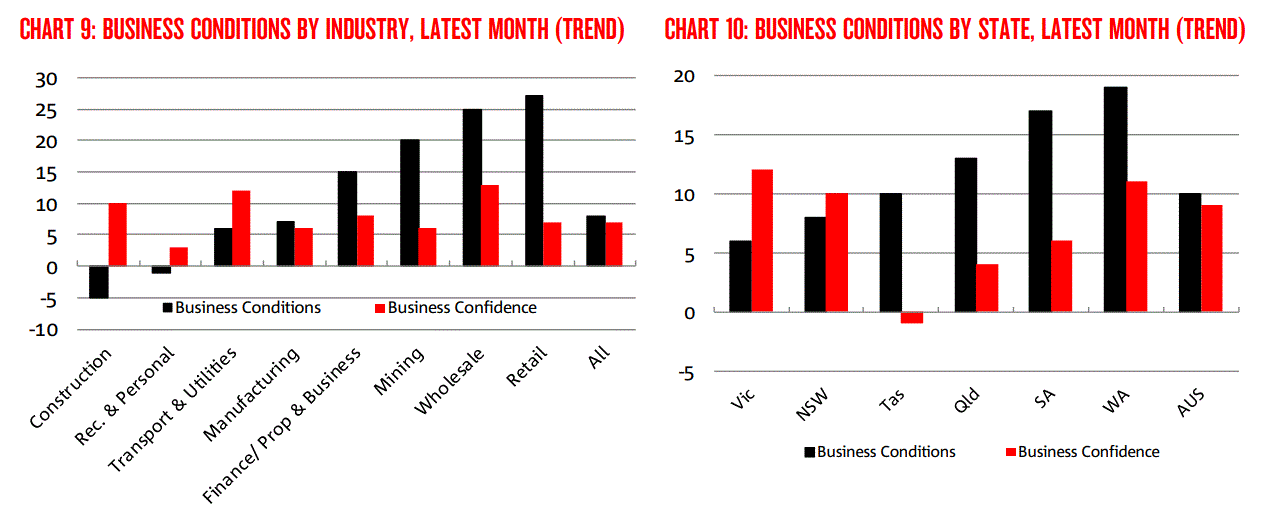
A distinct deceleration in business conditions is what matters. Probably related to the Frydenberg Unstimulus. The ongoing activity is all about mining states:
Forward indicators faded:
Advertisement
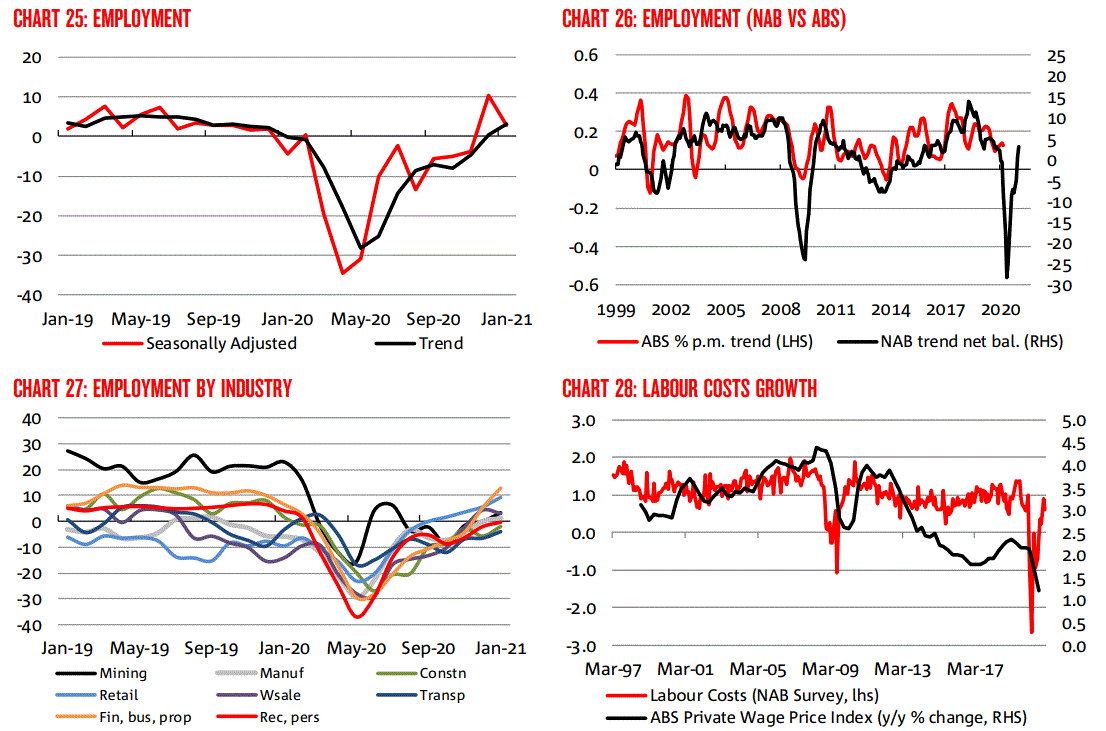
Employment softened thought the trend is OK:
The steady reopening will help but I see spending shifting from retail to services in some measure so we may not get much better than this in the recovery this year.
David Llewellyn-Smith is Chief Strategist at the MB Fund and MB Super. David is the founding publisher and editor of MacroBusiness and was the founding publisher and global economy editor of The Diplomat, the Asia Pacific's leading geo-politics and economics portal.
He is also a former gold trader and economic commentator at The Sydney Morning Herald, The Age, the ABC and Business Spectator. He is the co-author of The Great Crash of 2008 with Ross Garnaut and was the editor of the second Garnaut Climate Change Review.