Via Fairfax:
Westpac analyst Rob Rennie says:
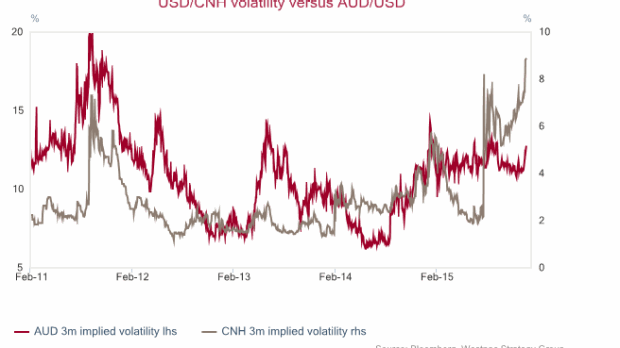
- Increased volatility: Having ‘pegged’ the yuan to the appreciating US$ through the January/ July period last year, the sharp devaluation seen in August touched off a wave of volatility in global financial markets. The way China it goes about devaluing its currency also has deep and meaningful implications for global market sentiment.
- Weaker commodity prices: China has been a source of deflation for the global economy for many years now. In a world where central banks are fighting to create some inflation, that is a problem. A sharp yuan devaluation adds to that problem.
- Reduced Asian central bank demand: a period of messy China devaluation has a direct impact on capital flow into the Asian region. As we see signs of capital flight from Asia, so central bank reserves start to shrink.
The global turmoil triggered by China has shifted the AUD to a new 68 to 72 US cents range – down from 70 – 74 in November, Rennie writes in a note to clients, adding that the lower end of that range will remain sticky as equity related demand builds.
“While the recent events in China may indeed add a significant layer of volatility to global financial markets, may generate another push lower in commodity prices and lead to reduced demand for A$ assets out of Asia, I still feel the factors that will reinforce the lower end of my sticky range are in place,” he says.
Rennie still sees “a hefty queue of M&A deals that have been announced in the last 12 months that have yet to settle” and which should add to the equity related inflow, supporting the Aussie dollar.
To that list new deals which have been announced over the holidays need to be added.
“The upshot is that I see a meaningful uplift in direct equity inflow in the next few quarters that could see records broken back to 2004. I also expect to see an uplift to yield related demand as issuance kicks in.
“This flow will continue to frustrate the more bearish forecasters out there.”