
Advertisement
Some interesting headlines this morning from China via ForexLive:
China Securities Journal front page editorial (via MNI):
- China’s property boom has probably reached its peak
- Turning points seen in second- and third-tier cities
- Says good days in core cities may continue for a while
- Said housing investment as a percentage of China’s GDP is already at 9% in 2013, the same level as when property markets in Japan and South Korea hit their peaks
- Said demand for new houses in urban areas had also reached a turning point as the number of migrants from rural areas to the cities has already started falling
And from another CSJ story:
Advertisement
- New home sales in Beijing reached only 200 units during the May 1st holiday, its lowest level since 2009.
- According to data from Homelink, a major Beijing-based property agent, Beijing’s house transactions in April fell 18.4% m/m and 18.1% y/y, with average prices down more than 10% from March
- Government online house transaction registration data showed house sales in Shanghai fell 27.35% m/m in April and down 23.35% y/y
- While in Guangzhou, house sales were down 7.5% y/y and 16.7% m/m.
But!
From the China Economic Information Daily via MNI:
- China Railway Corp, the government-owned sole operator of the country’s railway system, has decided to boost its full-year fixed asset investment target to CNY800 billion, from CNY700 billion set at the beginning of the year.
- The move was in response to a State Council requirement calling for higher railway investment as part of the government’s efforts to support economic growth.
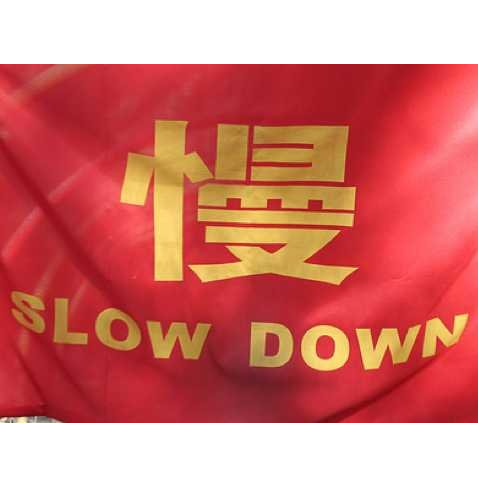
More foot on accelerator and brake.
About the author

David Llewellyn-Smith is Chief Strategist at the MB Fund and MB Super. David is the founding publisher and editor of MacroBusiness and was the founding publisher and global economy editor of The Diplomat, the Asia Pacific's leading geo-politics and economics portal.
He is also a former gold trader and economic commentator at The Sydney Morning Herald, The Age, the ABC and Business Spectator. He is the co-author of The Great Crash of 2008 with Ross Garnaut and was the editor of the second Garnaut Climate Change Review.
Advertisement