
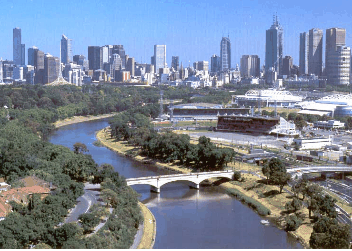
As noted previously, Melbourne has, since the onset of the Global Financial Crisis, led the nation in housing construction.
The recent boom in housing construction is easily recognisable by the below charts, which track the total number of dwelling approvals in the five major capitals since the late-1980s, as well as the percentage share of capital city approvals:
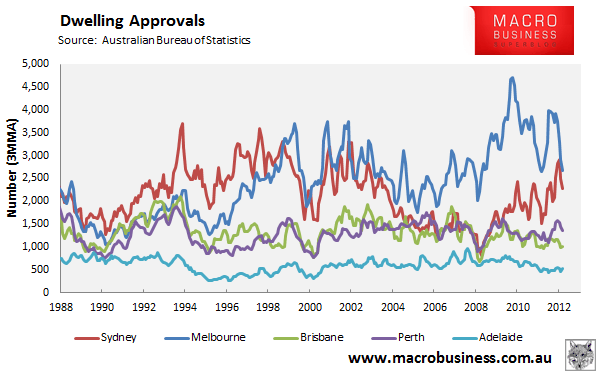
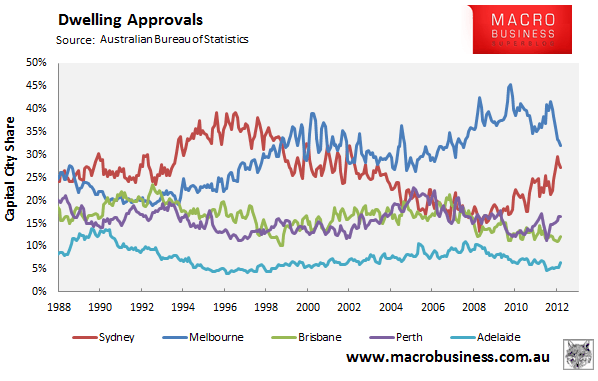
As you can see, Melbourne approvals surged from early-2009, accounting for a whopping 38% of capital city dwelling approvals in the four years to February 2013.
Recent signs have not been good, however, with Melbourne approvals falling to early-2009 levels. The Victorian detached new home markets looks particularly sick, posting its worst February sales on record, and the lowest annual house sales in the series’ 16.5 year history, along with the lowest house approvals since late-2001 (see next chart).
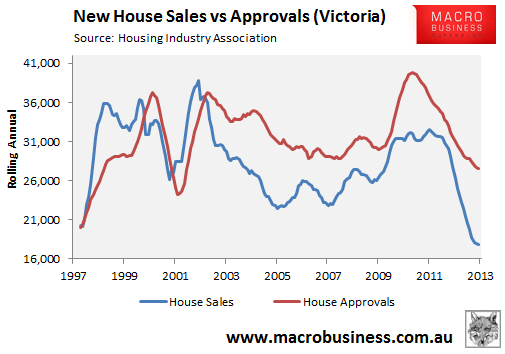
One shining light is the apartment market, where approvals have been surging, reaching a record 46% share in the year to February 2012 (see next chart). The surge in apartment approvals is likely to continue for some time, with Victoria’s planning minister, Matthew Guy, recently vowing to position Melbourne as the tallest skyline in Australia.
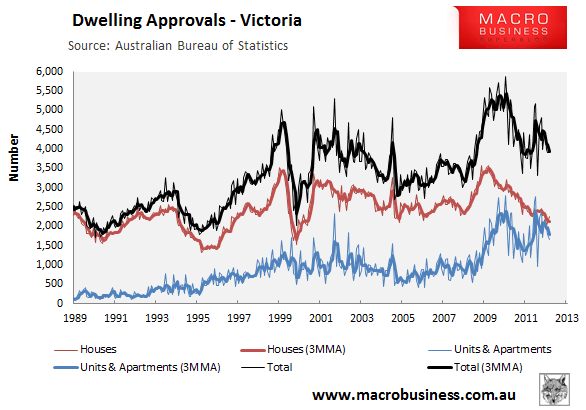
However, it is questionable whether Melbourne’s apartment boom is sustainable. The flood of apartment stock is depressing rental yields and is expected to lead to a blowout in vacancies. Meanwhile, apartment prices across inner Melbourne have reportedly fallen by between 7% and 11% in the past 12 months, with some 20,000 off-the-plan apartments due for completion over the next 2.5 years facing negative equity.
Any housing construction downturn would obviously have a detrimental impact on the Victorian economy. According to the latest ABS figures, construction accounts for 8.8% of total Victorian employment, versus 7.7% in New South Wales.
More broadly, with Victoria’s manufacturing industry in terminal decline, the economy has become overly dependent on housing construction and population growth to drive the economy. Such an economic model only works as long as Melbourne keeps on building. But as the charts above suggest, Melbourne housing construction has already begun to slow, which could soon leave a large chunk of the Victorian construction workforce without jobs.
unconventionaleconomist@hotmail.com
