
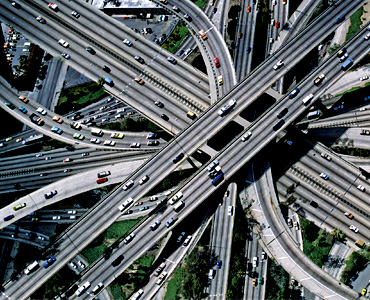
According to the AFR, Tony Shephard, head of the BCA, has suggested that the government should take advantage of low borrowing rates to ramp up infrastructure spending:
“Australia needs to recapture the reformist appetite and policy bravery that allowed us to take such substantial leaps forward between 1985 and 2000,” he said. “This is a time for policy heroism, not a time for managing a genteel decline in national prosperity.”
Speaking at an Infrastructure Partnerships Australia awards dinner, Mr Shepherd, chairman of Transfield Services, said that by 2050 Australia would need to increase annual spending on transport to more than $63 billion, a four-fold rise. A growing population will double demand for passenger transport over the next 25 years, he said. National freight capacity will triple in 40 years. Governments or users would have to pay – and for the federal government, debt has “never been cheaper”, he said, characterising debt for infrastructure as “good” borrowing.
The national infrastructure projects could fill the gap from waning construction when the resources boom subsides, he added.
I support this proposal as a useful “Plan B”. It is certainly preferable to cutting interest rates further and aiming for growth driven by increases in mortgage debt preferred by the deficit hawks of Canberra.
But it is still a kicking the can policy and is hardly reformist zeal. Infrastructure can be a stop-gap for growth. It will improve our productivity and therefore encourage investment but it is, in the end, not a sustainable answer in itself. Once you’ve built your new bridges, much of the benefit evaporates.
The only way to sustainably fill the approaching business investment hole is to get tradeables investment back on track and that will only happen when the dollar is lower.
Reformist zeal would be contemplating macroprudential tools and capital controls, even better would be paring back the tax distortions around property investment, and other measures that would shift Australian investment from unproductive asset inflation and consumption to productive investment in tradeables.
The longer we refuse to talk about the currency and export-led growth the worse it gets. Tradeables are hollowed out and the cost inflation in non-tradeables gets more and more entrenched so that when the dollar does fall you don’t get relief, you get inflationary crisis and no way to grow.
