
The Australian Bureau of Statistics (ABS) earlier today released the International Trade in Goods and Services for the month of December. Australia’s trade surplus in December expanded by $366 million to $1,709 million. This compares to a downwardly revised 1,343 million surplus in November.
Analysts had expected a surplus of around $1.2 billion, so the strong result in December is a bit of surprise.
Export earnings (+2.0% mom) in particular benefited from a large increase in non-monetary gold exports (up 31%).
Imports (+1.0% mom) rose primarily on the back of increased Intermediate and other merchandise goods (up 4%).
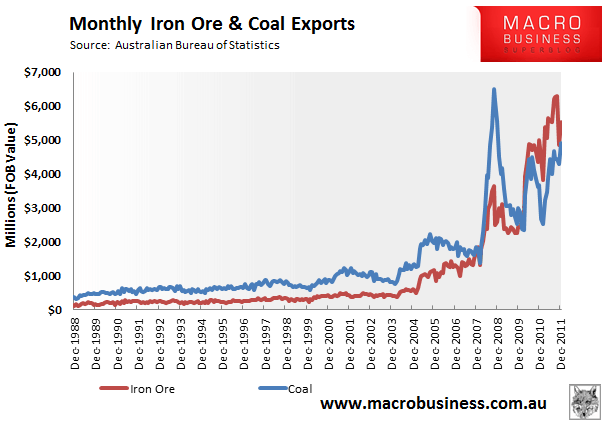
The below chart shows Australia’s two major commodity exports – iron ore and coal – with both below their peak levels:
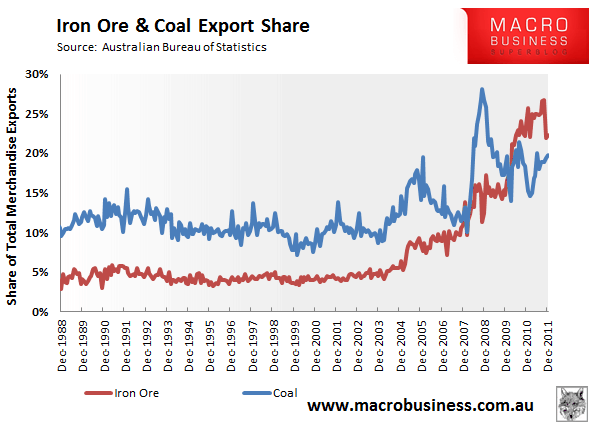
Incredibly, these two commodities combined accounted for 42% of Australia’s total merchandise trade in December, just shy of their all-time record share of 46%. This compares to their 15% share of total merchandise exports in the late 1980s:
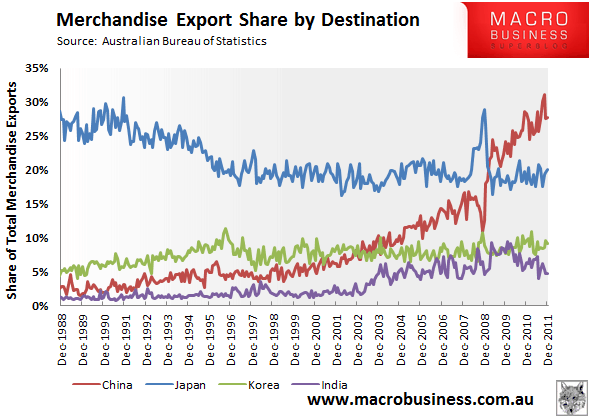
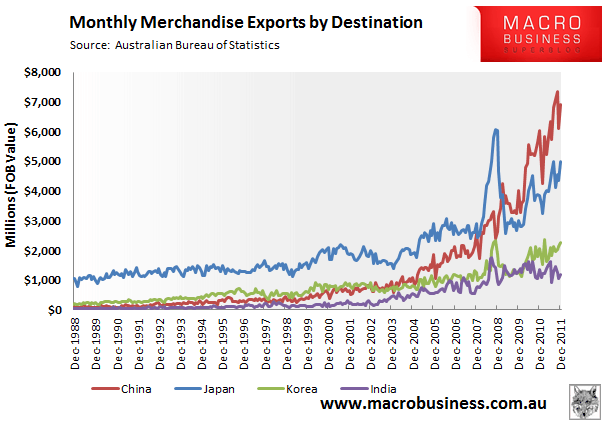
As stated many times before, the primary reason behind the explosion of Australia’s iron ore exports and terms of trade needs to look no further than China, which in December received nearly 30% (or $7 billion per month worth) of Australia’s total merchandise exports, up from only 5% in 2000:
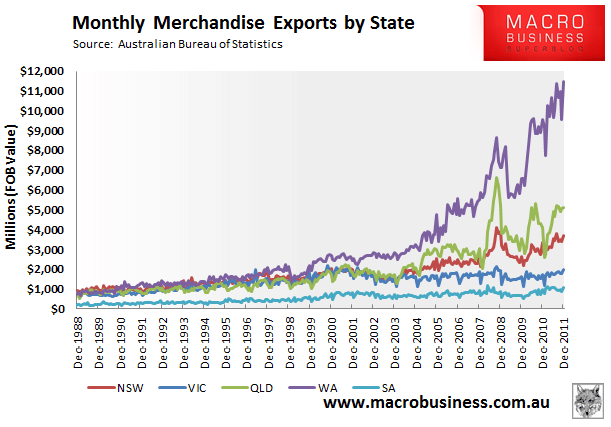
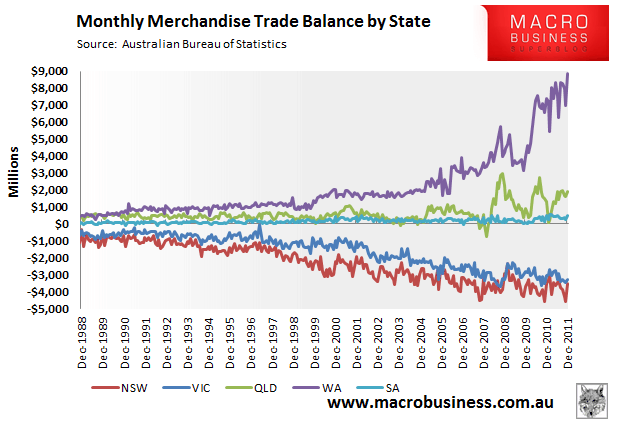
Moving on to the states, and you can see a continuation of the two-speed economy at work. The key resource states of Western Australia and Queensland are both dominating Australia’s exports and running large trade surpluses. By contrast, the two largest states – New South Wales and Victoria – are running large trade deficits, with Victoria’s export performance also lagging owing to its lack of mineral wealth:
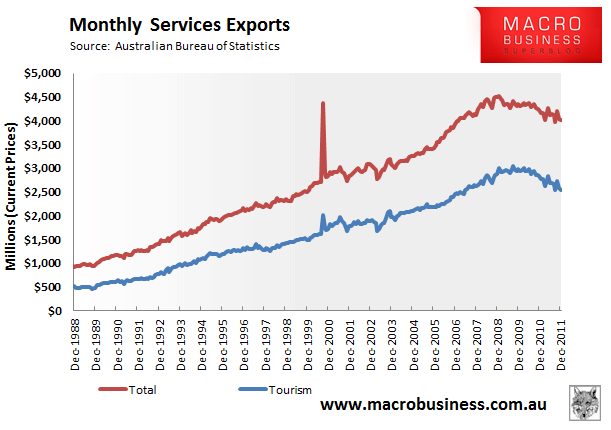
Finally, you can see the deterioration in Australia’s services export, which have been trending down since late 2008 on account of the high Australian dollar:
Reflecting the increased purchasing power, Australia’s services imports (mostly overseas travel and tourism) has surged, which has thrown Australia’s services trade balance into deficit:
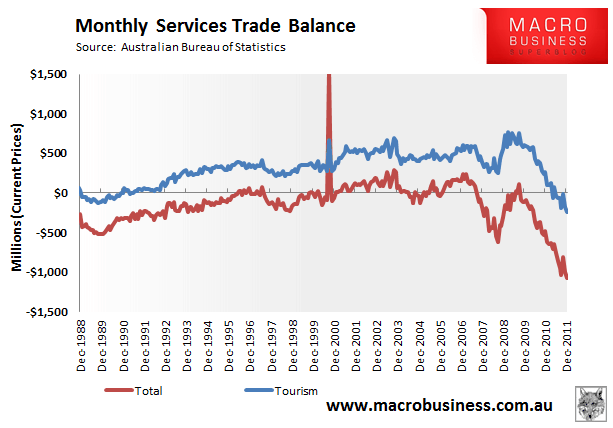
The divergence between Australia’s commodity exports and services exports, as well as the mining states and non-mining states could not be more stark and highlights the pervasiveness of Australia’s two-speed economy.
unconventionaleconomist@hotmail.com
