
Transport sector expansion fuels demand for qualified medium rigid truck drivers

Surging demand in freight and logistics is driving more Queensland motorists to upgrade their standard driver credentials for commercial transport roles.
Local freight corridors, delivery networks, and municipal services need more drivers every single day. If you hold a standard car licence, you watch regional distribution hubs expand across your community while local businesses search for capable transport operators. You can step through these doors by advancing your driving credentials to meet commercial vehicle requirements.
Upgrading your licence opens pathways to steady, hands-on employment in an expanding industry. Gaining a medium rigid qualification gives you the practical road skills and professional certification necessary to take control of larger commercial vehicles with confidence.
Why is regional freight demand expanding?
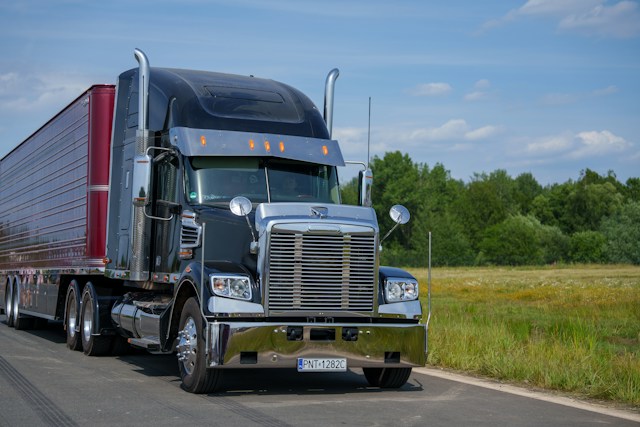
Growing distribution networks across regional corridors place intense pressure on commercial fleets to move stock without delay. Supermarkets, construction suppliers, and parcel depots rely on medium-rigid vehicles to shuttle goods between distribution hubs and neighbourhood stores. This constant movement creates steady vacancies for drivers who can step behind the wheel of two-axle trucks.
A report published by Fully Loaded details how the Queensland Freight Delivery Plan targets improvements in transport productivity, safety standards, and network reliability, while regional freight activity is projected to grow by 20 percent. Businesses across local trade and freight sectors need competent drivers to keep pace with this rising cargo volume. When you hold the right driving qualifications, you position yourself at the centre of this industrial momentum.
How do you master practical heavy vehicle skills?
Driving a medium rigid truck requires total command over larger blind spots, extended braking distances, and air brake systems. Completing an accredited MR Licence Course gives you direct experience handling two-axle trucks under realistic road conditions. Qualified trainers guide you through load restraint basics, cabin pre-trip inspections, and smooth gear changes. Mastering these operational habits early builds the road awareness you need to operate heavy equipment safely.
Practical assessments test your ability to guide a large vehicle through tight urban environments and loading docks. Reversing tests require precise mirror use, slow clutch control, and sharp spatial judgment to park without clip hazards. You must demonstrate clean parallel stops and straight-line reversing before examiners approve your upgrade.
What prerequisites do you need for a licence upgrade?
The Department of Transport establishes clear criteria before letting drivers progress from standard cars to commercial heavy vehicles. Meeting these baselines proves you possess the foundational road judgment needed for larger payloads.
- Hold valid credentials: You must hold a provisional or open car licence for at least 12 continuous months.
- Pass medical checks: Commercial drivers must declare medical conditions that could impair vision, motor skills, or highway awareness.
- Complete written evaluations: You must pass the official heavy vehicle road rules test before taking practical driving lessons.
Organising your paperwork ahead of time keeps your licensing pathway on track. Once the transport office confirms your eligibility, you can book your practical instruction without administrative delays.
Where can a commercial licence take your career?
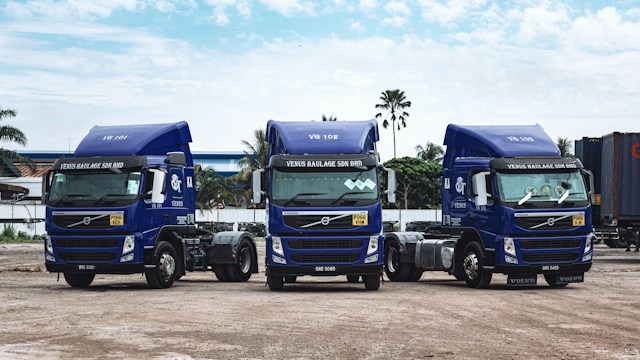
Earning a medium rigid qualification unlocks immediate roles across diverse industries throughout Queensland. Local freight carriers hire rigid truck drivers for scheduled pallet delivery runs, while civil construction firms employ drivers to transport building materials between job sites. Municipal councils consistently advertise openings for waste management, recycling collection, and public works operators.
Commercial driving roles offer competitive wages, consistent shifts, and strong job stability compared to standard passenger transport gigs. Many drivers use this credential as a stepping stone toward heavy rigid or articulated vehicle classes as their experience expands.
Navigating your commercial licence upgrade comes down to structured preparation and committed practice behind the wheel. Review your eligibility, choose certified driver training, and focus on mastering real-world vehicle handling. With commercial transport demand rising across Queensland, your new qualification opens direct pathways to dependable, well-paying professional driving careers.