

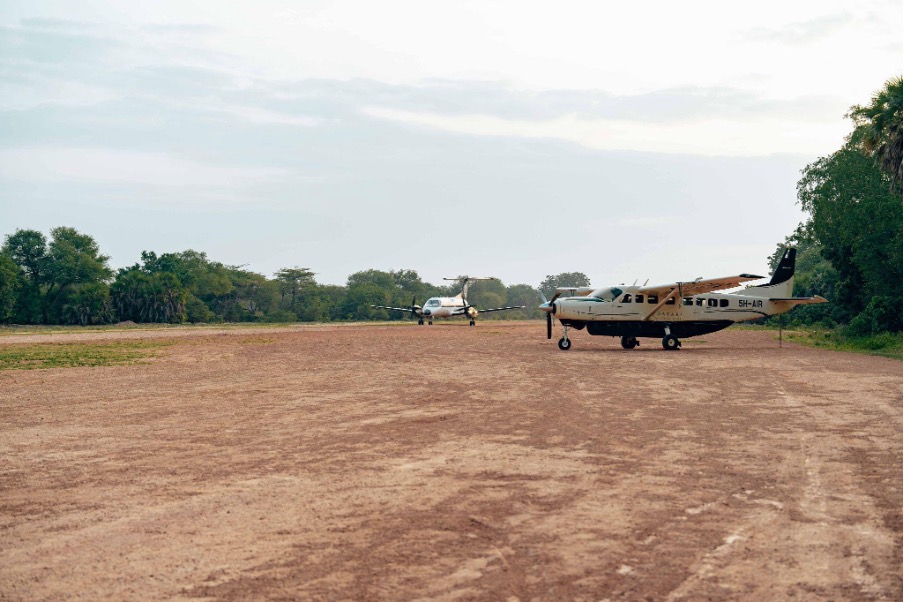
Australia’s regional investment pipeline is now growing faster than the flights needed to service it. For businesses with capital tied up in those projects, the practical question is how their people get there.
The Difficulty
Because Australia’s regional business investment is booming, there’s an increased demand for transportation to regional hubs. But there aren’t nearly enough flights to meet this demand.
In 2025-26, BITRE recorded 325,063 flights on regional and remote routes, 1.4% fewer than a year earlier, even though passengers on those routes grew 2.2% to 24.1 million. It’s at a point where many firms are asking private jet charter companies to arrange flights into the nearest usable aerodrome.
Deloitte Access Economics’ Investment Monitor now tracks $1.34 trillion of projects after $76 billion was added in the June 2026 quarter, and a rising share of that money is being spent a long way from any CBD.
Most trips still run on a scheduled flight and a hire car. When a visit is urgent, or the site sits beyond the airline network, some companies use private flights. The option has clear limits, but its growing use says something about how far the regional network has fallen behind the pipeline.
Where the Pipeline Is Heading
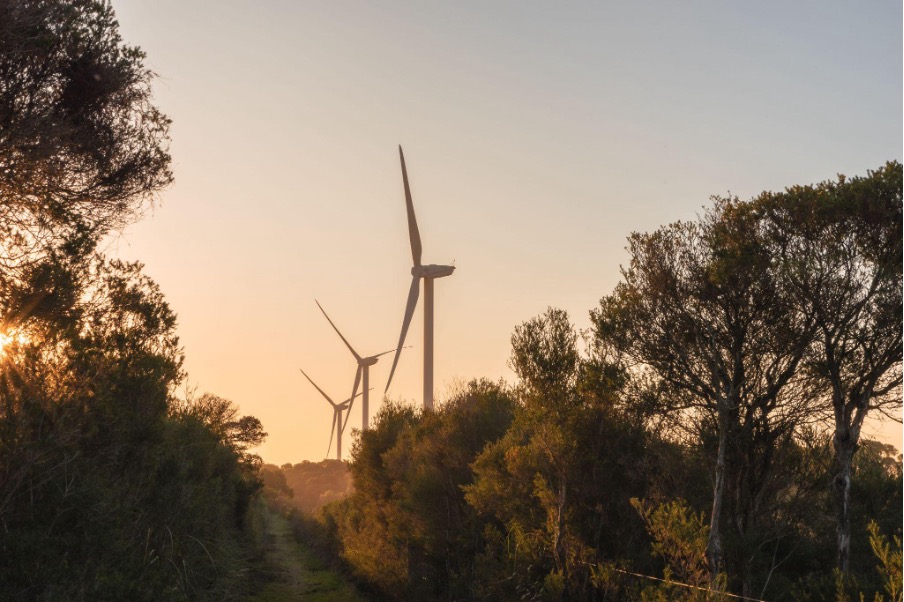
Money is pouring into energy, mining, and data centre projects out in regional Australia. Utilities projects account for 28% of Deloitte’s database, compared with 7.6% at the start of the decade, with $96 billion under construction or committed and another $281 billion planned. Generation and transmission tend to follow land and resources, which usually means regional locations.
Data centres are pulling in the same direction. Deloitte counts 33 projects worth $104 billion, four times the value of a year ago. New South Wales and Victoria still hold 71% of that, but investors chasing land and grid capacity are looking further afield. South Australia has secured IREN’s $10 billion Bundey Campus, and the Northern Territory has Energy North’s $11.9 billion Project Ares.
Critical minerals add a longer-dated layer. PwC has identified 907 projects nationwide, overwhelmingly in regional and remote areas. The pipeline is deep but slow to convert, and every project in it generates travel well before it generates revenue.
Travel Demand Peaks Before the First Shovel
Most of these projects (especially those in mining) sit years away from actually breaking ground. It’s in this stage that there’s a steady stream of visits from potential buyers, inspectors, engineers, and lenders.
Only 13 critical minerals projects have reached definitive feasibility, the last stage before a final investment decision (FID), and just six reached FID between 2022 and mid-2026. Nearly 90% of the investable pool sits three to six years from that milestone.
Those years are spent persuading people to commit money. Lenders send independent engineers to inspect deposits and pilot plants. Offtake customers in North Asia or the United States typically want to see an operation before signing a supply contract that may run for a decade. PwC’s own critical minerals report stresses that allies now prize speed to production, which puts pressure on every one of those visits.
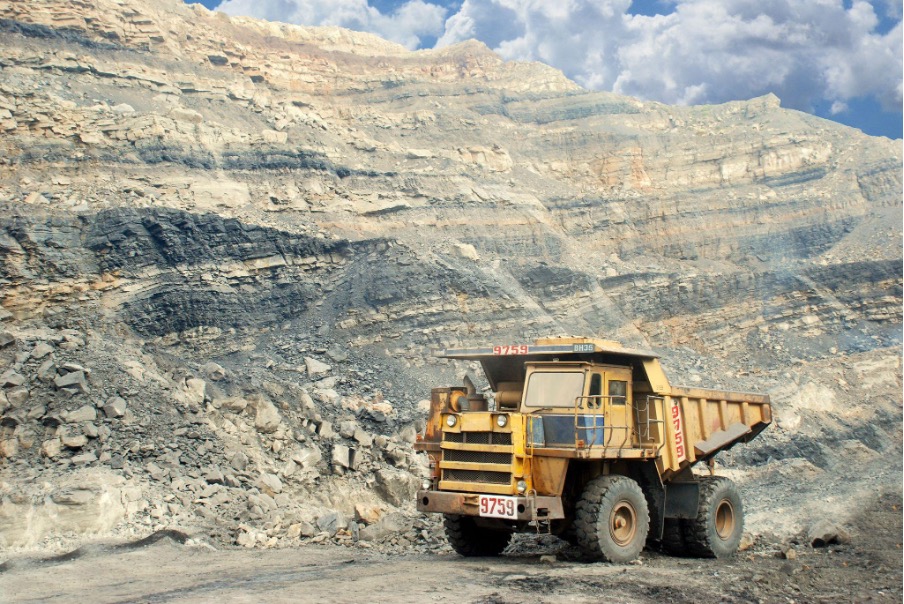
Reaching FID and starting construction doesn’t end the traffic. It just shifts to workers and site managers.
Arafura Rare Earths committed to its Nolans project, about 135 km north of Alice Springs, in May 2026, with construction due to start in September and more than 600 construction jobs expected. By late June, the company was briefing Territory suppliers in Darwin on work packages and procurement.
Workforce movements at that scale are handled through fly-in fly-out programs, on scheduled services or larger chartered aircraft. The group the system handles worst is much smaller: a director or a visiting customer who needs to be on site in the morning and back in the capital by night.
What Better Connectivity Would Look Like
The existing flight network isn’t ideal for supporting travel to these regional firms. It’s based around hubs, constrained by capacity, and not built for a quick day trip to a mine site.
For example, a trip from Melbourne to a project in the Pilbara or central Australia usually involves a connection through another capital and a long drive at the end. One late inbound flight can cost the entire day.
Private jet travel can fill part of that gap. Aircraft can use smaller aerodromes closer to a site, and at private terminals passengers can sometimes arrive as little as 15 minutes before departure. The aircraft waits on the apron and leaves when the inspection ends, which lets a small team cover two sites in a day without an overnight stay.
Of course, charter is a premium option and only suits certain trips. It makes sense for time-constrained individuals, extremely important meetings, or trips that commercial flights really won’t fit.. For routine travel, a scheduled seat remains the sensible choice.
The larger opportunity sits with project planners and governments. PwC is pushing for shared infrastructure precincts, and those discussions tend to focus on power and water supply. Adding aerodrome upgrades and realistic travel budgets to that list would cost little relative to projects measured in billions.
Final Thoughts
Deloitte warns that utilities, data centres, housing and defence are all competing for scarce labour and resources. The people who can approve a drawdown or sign off a design are among the scarcest of all. For now, businesses that can get the right people to the right sites as fast as possible will hold the advantage. It’s less about capital, and more about connectivity.