
One of the claimed intents of the Albanese government’s recent budget was the pursuit of so-called “intergenerational equity”, which, by adjusting the settings of the tax system, would help improve the fortunes of the nation’s young.
In terms of the changes to negative gearing and the capital gains tax discount as they relate to existing residential housing, the budget does shift the balance between first home buyers and property investors.
As things stood prior to the budget, the balance very much favoured property investors, with 0000% of new loans flowing to them, compared with 0000% to first home buyers.
According to forecasts from Westpac, total investor activity is expected to fall by 34% in the coming years and become significantly more concentrated in the new build market.
Westpac estimates that the proportion of overall investor activity dedicated to new builds will increase from around 18% today to 40% by late 2028.
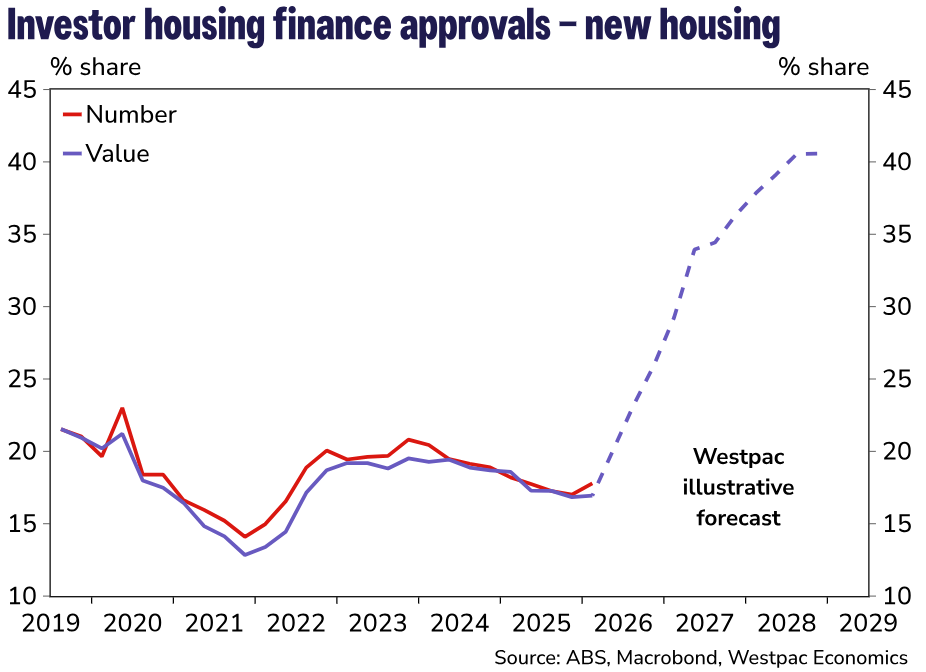
Chart: Westpac
However, despite the changes to the capital gains tax discount and negative gearing as they relate to existing residential housing being quite popular with younger voters, the broader federal budget has been poorly received as a means of helping younger Australians.
According to polling from Resolve, 28% of voters believe that the budget is good for young people.
This is the lowest level on this metric since the Albanese government came to power.
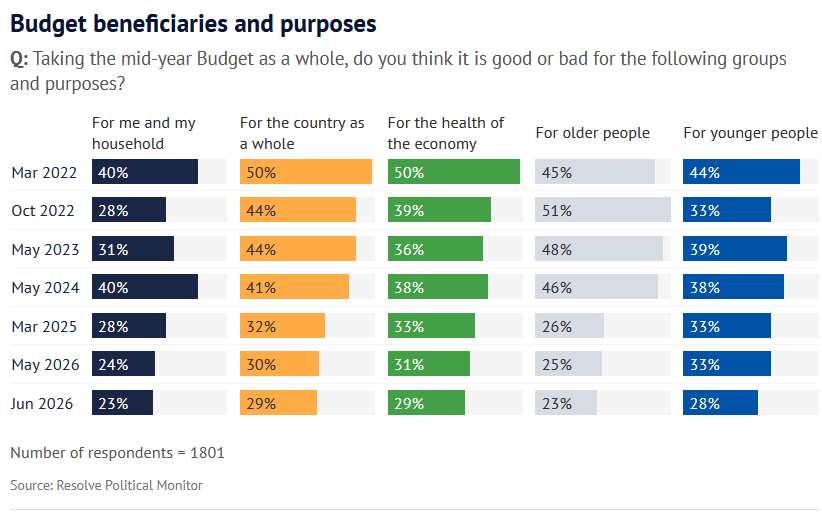
Source: The Age
The Issue
While the changes to negative gearing and the capital gains tax discount as they relate to existing residential property are welcome if they deliver the expected rise in home ownership rates, the other elements of the budget have made conditions more challenging for young people to start to build wealth outside of property than it was previously.
It’s all well and good for Treasurer Jim Chalmers to make the case that:
“Analysis from Treasury of new ATO data for 2023-24 shows that 0.2% of tax filers earned around 60% of all the net capital gains income, while 99% of tax filers earned only 13%.”
The reality is that the “99%” are impacted by the changes to the capital gains tax discount, the minimum 30% capital gains tax rate and changes to family trusts even though they are the means by which only a small fraction of the additional revenue generated in a given year.
It is for that reason the other element of Chalmers recent tweet (quoted above) falls flat:
“We are making the tax system fairer for workers, first home buyers and young Australians.”
If the Albanese government wanted to raise capital gains tax rates on the truly wealthy to a level broadly similar to the U.S. or Canadian average, then that would have been far better received than this budget has been.
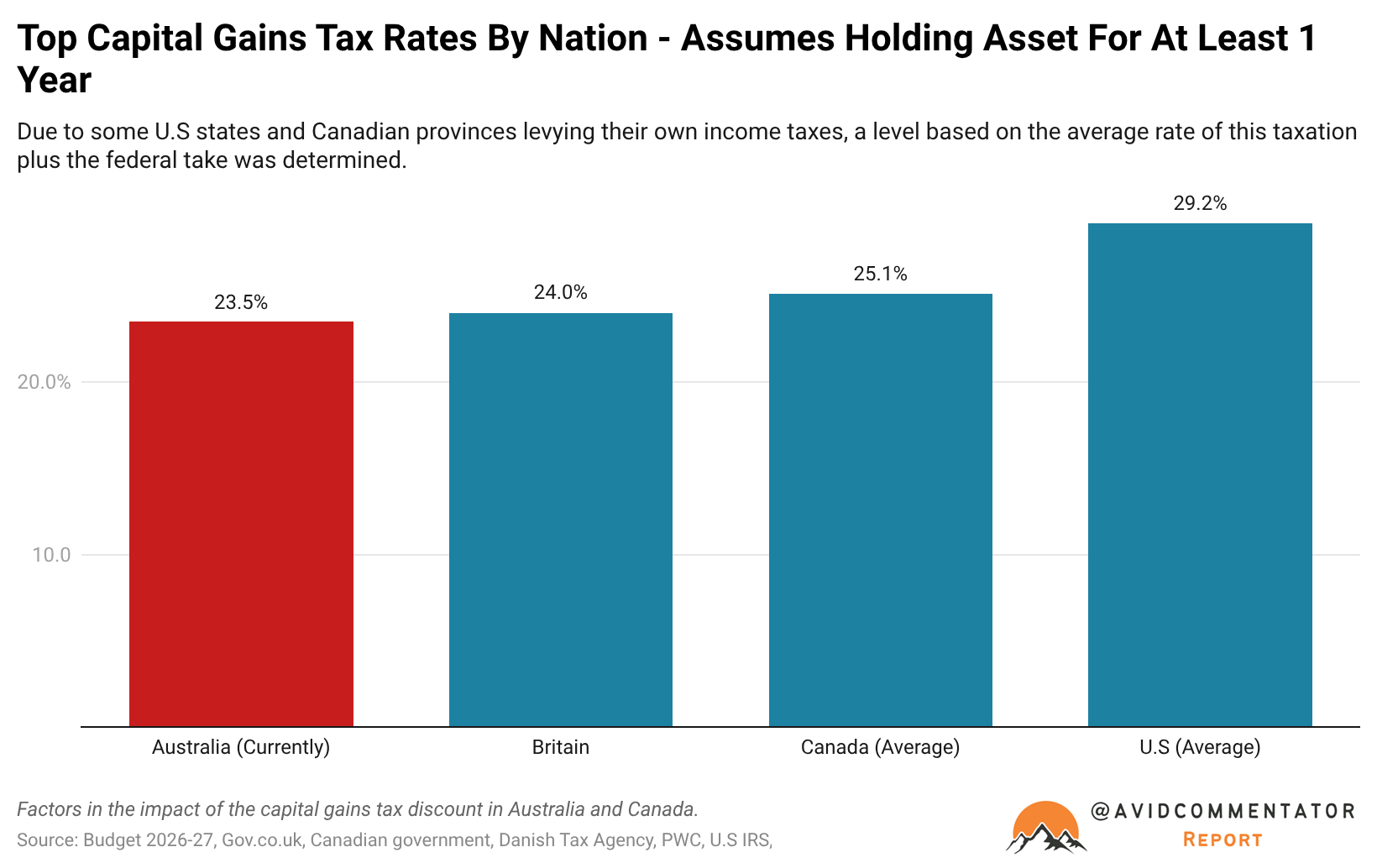
Ultimately, that isn’t what has happened and many of the nation’s young who have put their savings into shares, crypto and other non-property assets feel as if they are getting a raw deal, as they attempt the challenging task of attaining a quality of life and housing comparable to that of their parents’ generation.
