

Many Australians feel broke, even after earning a decent after-tax income. Household debt keeps climbing, but the savings accounts somehow stay flat. Everyone knows they should learn about personal finance, but they often fail to do so due to work deadlines and family commitments.
In today’s age, you don’t need years of financial education to take control of finances. You need the right information applied consistently. Committing 10–20 minutes a day to learning beats an MBA in finance if you’re actually implementing what you learn.
Quick answer: 3 ways to learn about personal finance
- Focus on budgeting basics, debt management, and investment fundamentals. These three topics have the biggest immediate impact on your financial knowledge and actual results.
- Repurpose the time you’re already wasting on scrolling or commuting. Apps focused on bite-sized learning, such as Nibble, teach personal finance concepts in 10-minute sessions.
- Set up automated savings and investments so your money works without constant decisions. The less you rely on daily discipline, the more consistent your results.
Which financial concepts deliver real results for busy professionals
Not all financial literacy is created equal. Tracking your spending matters more than you’d think! Recent research shows it accounts for 68% of whether someone actually reaches their financial goals or not.
Based on this information, you should start here:
| Priority | Topic | Immediate benefit |
| 1 | Cash flow tracking | See where money actually goes |
| 2 | Debt mechanics | Stop paying thousands in interest |
| 3 | Basic investing | Make compound interest work for you |
Understanding how to manage your money is not difficult when you have a grasp of these three foundations. Some financial advisors will attempt to sell you highly complex strategies, but you can’t build wealth on shaky fundamentals.
Budgeting basics that work in 2026
Forget the spreadsheet nightmare. Modern budgeting is about patterns, not pennies.
Track one month of spending without judgment — just data collection. Most people discover they’re hemorrhaging money in places they never noticed. That daily coffee adds up, sure, but it’s usually the forgotten subscriptions and impulse Amazon purchases that do real damage.
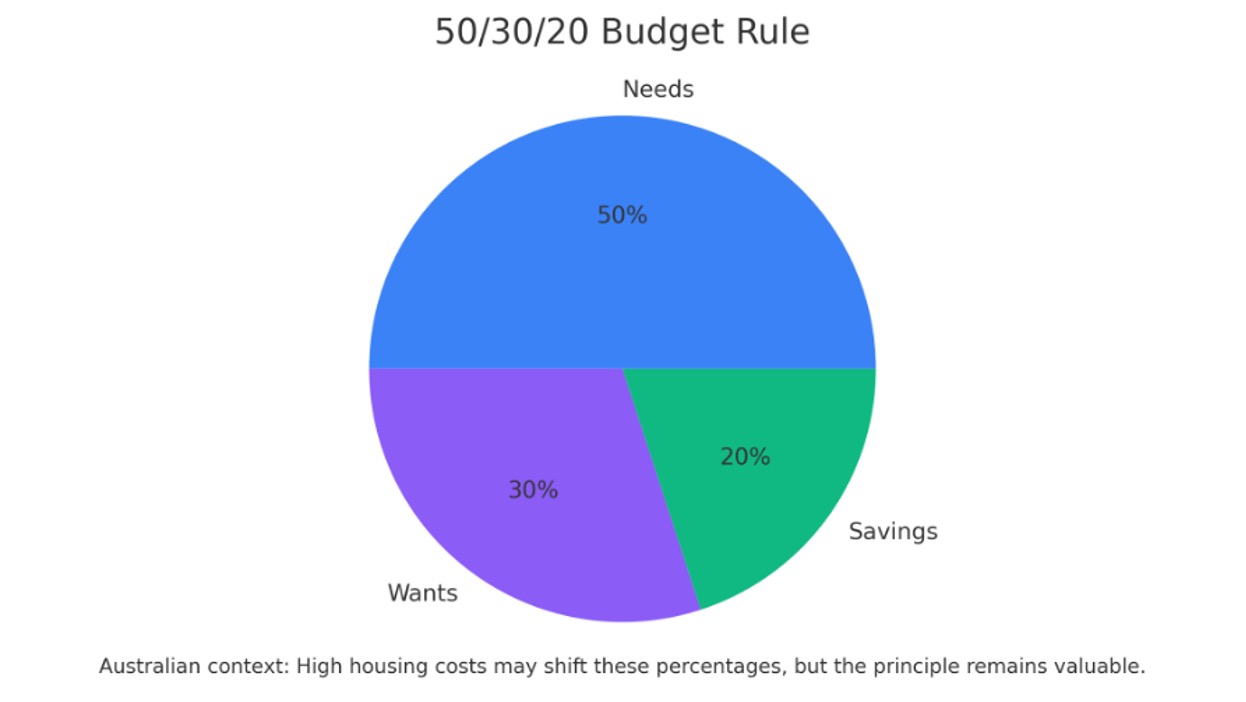
The 50/30/20 split (50% needs, 30% wants, 20% savings) gives you a framework. Australian housing costs can often skew these percentages, but the concept remains valid. You need to know your numbers before you can improve them.
Understanding debt management before it manages you
Compound interest is beautiful when you’re earning it through investments. It’s brutal when you’re paying it on credit cards.
A $5,000 balance at 19% costs you nearly $1,000 yearly in interest alone. That’s money evaporating for nothing. Understanding the mathematics changes how you think about debt. Good debt funds typically appreciate assets such as property or education. Insufficient debt funds fuel lifestyle inflation.
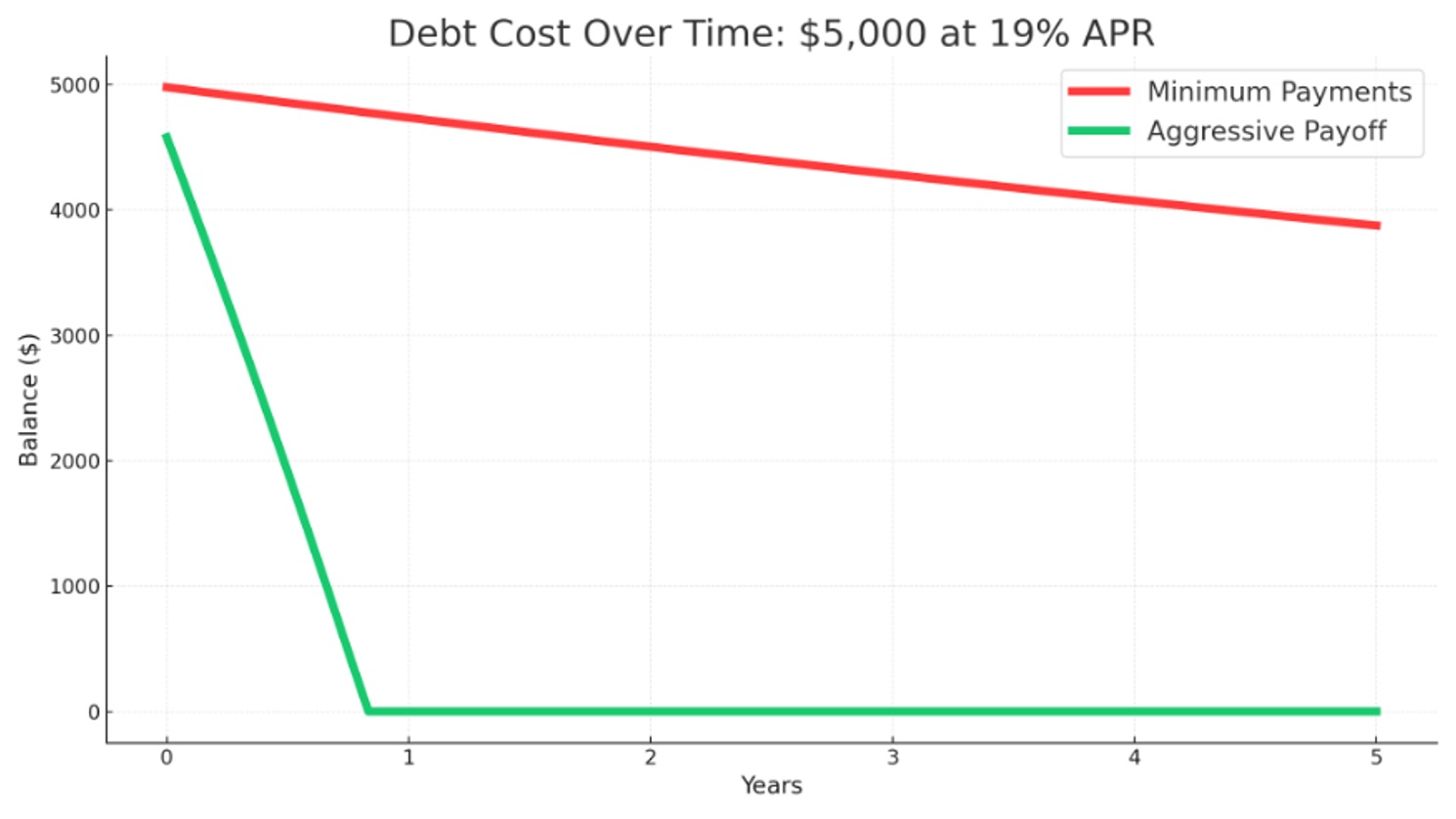
Most Australians carry both types of debt: the trick is to eliminate bad debt while strategically using good debt to build wealth.
How busy people learn personal finance
According to an Australian government report from DITRDCSA, the average commute in Sydney wastes 62 minutes daily. That’s 258 hours yearly you’re already spending, so turn some of it into self-education.
Financial education fits into existing routines:
- Morning commute – Podcasts covering practical advice on superannuation, investing, or property.
- Lunch breaks – 10-minute lessons on your phone covering specific topics.
- Before bed – Five minutes reviewing your spending or adjusting automated savings.
Time-efficient learning beats intensive study sessions because you’ll actually stick with it. That’s why listening to the Australian Finance Podcast or completing Nibble lessons on personal finance will provide the knowledge you need.
Connecting learning to your specific financial goals
General pieces of personal finance advice rarely work for most people in practice because they typically don’t apply directly to an individual’s goals.
- Saving for property? Learn about the first home buyer grants and the mortgage structure.
- Planning early retirement? Master all about super contribution caps and salary sacrifice.
- Starting a side business? Educate yourself on cash flow management and tax structure.
- Just getting started? Prioritise budgeting and debt elimination first.
You don’t need to learn personal finance comprehensively — you need to learn what matters for your situation right now.
Small and consistent steps beat perfect plans!
Financial literacy compounds: 15 minutes today, another tomorrow. Six months from now, concepts that seemed impossible will make perfect sense.
The gap between financially stable Australians and those struggling is no secret. It’s boring fundamentals applied consistently. Tracking spending. Automated savings. Understanding debt. Basic investing.
Start where you are. Use the time you’ve got. Your future self is counting on you!