

Supply Chain Management (SCM) is the process of managing the flow of goods, services, and information from the point of origin to the point of consumption. It encompasses all activities involved in sourcing raw materials, manufacturing and assembly, warehousing, transportation, and delivery of finished goods to customers.
Effective supply chain management is crucial for businesses of all sizes and industries. It can help companies improve efficiency, reduce costs, and increase customer satisfaction. In today’s highly competitive business environment, it is more important than ever for companies to have a well-designed and executed supply chain strategy.
Sourcing and Procurement
One of the key components of SCM is sourcing and procurement. This involves the process of identifying, evaluating, and selecting suppliers that can provide the goods and services needed to support a company’s operations. This can include everything from raw materials and component parts to finished products and logistics services.
Effective sourcing and procurement practices can help a company reduce costs, improve quality, and increase efficiency. By carefully selecting suppliers and negotiating favourable terms, a company can secure better prices for the goods and services it needs while also ensuring that these goods and services meet its quality standards.
Manufacturing and Assembly
Another key component of SCM is manufacturing and assembly. This involves the process of transforming raw materials into finished goods. This can include everything from simple assembly operations to complex manufacturing processes.
Effective manufacturing and assembly practices can help a company reduce costs, improve quality, and increase efficiency. By carefully managing production processes, a company can minimise waste and optimise the use of resources. This can result in lower production costs and higher-quality products.
Warehousing and Distribution
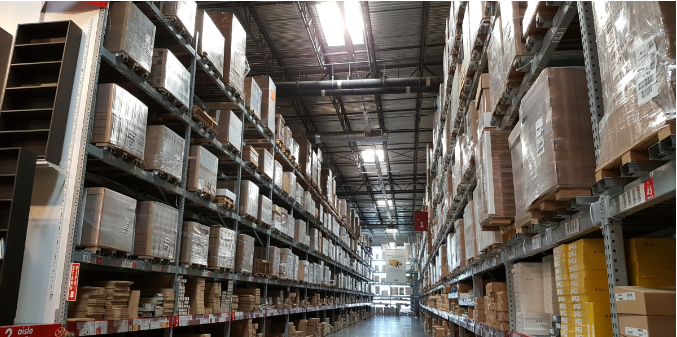
Warehousing and distribution are also important components of SCM. This involves the process of storing and transporting goods from the point of origin to the point of consumption. This can include everything from raw materials and component parts to finished goods and logistics services.
Effective warehousing and distribution practices can help a company reduce costs, improve quality, and increase efficiency. By carefully managing inventory levels, a company can minimise waste and optimise the use of resources. This can result in lower production costs and higher-quality products.
Transportation
Transportation is also an important component of SCM. This involves the process of moving goods from one location to another. This can include everything from raw materials and component parts to finished goods and logistics services.
Effective transportation practices can help a company reduce costs, improve quality, and increase efficiency. By carefully managing transportation routes and schedules, a company can minimise waste and optimise the use of resources. This can result in lower production costs and higher-quality products.
Information Technology
Information technology (IT) plays a critical role in the SCM process. IT systems are used to manage and track the flow of goods, services, and information throughout the supply chain. This can include everything from inventory management systems and transportation management systems to procurement systems and manufacturing systems.
Effective IT practices can help a company reduce costs, improve quality, and increase efficiency. By using advanced technology and sophisticated software, a company can optimise the flow of goods, services, and information throughout the supply chain. This can result in lower production costs and higher-quality products.
Staying Relevant
It’s important for companies to have a well-designed and executed supply chain strategy to stay competitive in today’s business environment. The key components of SCM include sourcing and procurement, manufacturing and assembly, warehousing and distribution, transportation, and information technology. Each of these components plays a crucial role in the overall success of the supply chain and should be carefully managed to optimise the flow of goods, services, and information throughout the supply chain.
In addition to the traditional components of SCM, there are also emerging trends that are becoming increasingly important. These include sustainability, resilience, and risk management. As global supply chains become more complex, it’s important for companies to have a comprehensive understanding of the risks and opportunities associated with their supply chain. This includes identifying potential supply chain disruptions, managing the environmental impact of the supply chain, and ensuring that the supply chain is able to respond quickly to unexpected events.
Overall, Supply Chain Management is a complex and multifaceted process that requires a comprehensive understanding of all the various components and how they interact. Companies that are able to effectively manage their supply chain will have a significant competitive advantage in today’s business environment.