

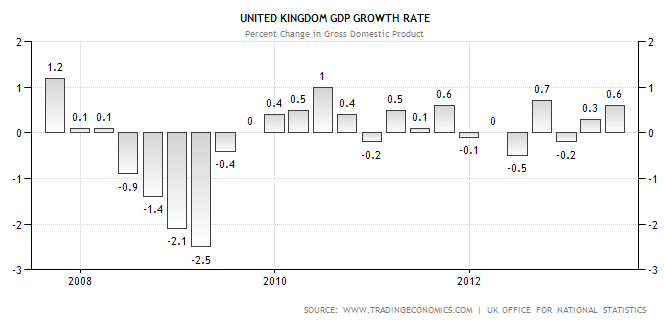
The UK last night reported its second quarter GDP results, which expanded by 0.6% over the quarter, in line with the economy’s long-run average of 0.63% quarterly growth since 1955:
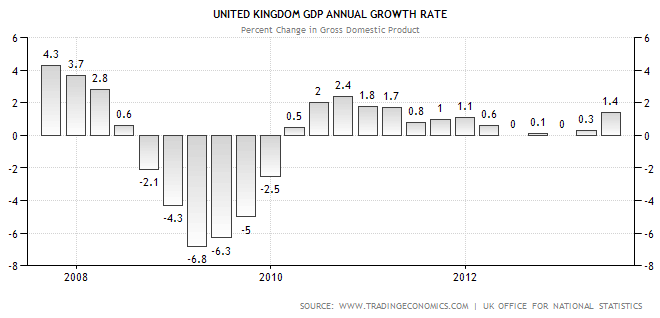
On a year-on-year basis, the UK economy expanded by 1.4%, which was the strongest rate of growth since March 2012:
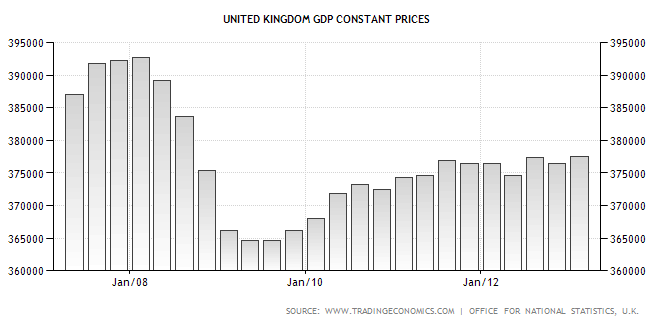
Following the June quarter’s result, the UK economy has recovered roughly half of the output lost since the 2008-09 recession:
The UK labour market has performed better, with the total number of jobs now above their lows, although much of these gains have been driven by an increase in the number of pensioners seeking work or delaying retirement:

Moreover, much of the gains in employment have come at the expense of falling incomes:
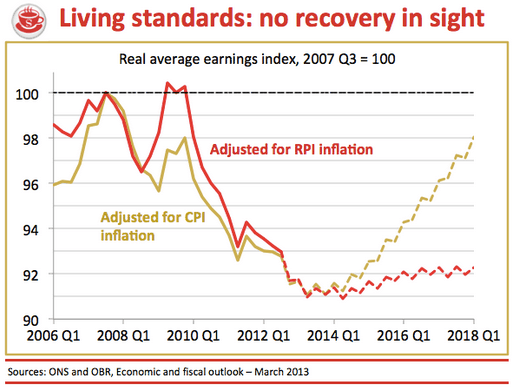
While the apparent recovery in the UK is welcome, questions remain over whether is is sustainable.
First, the UK economy is still drowning in debt – both public and private:
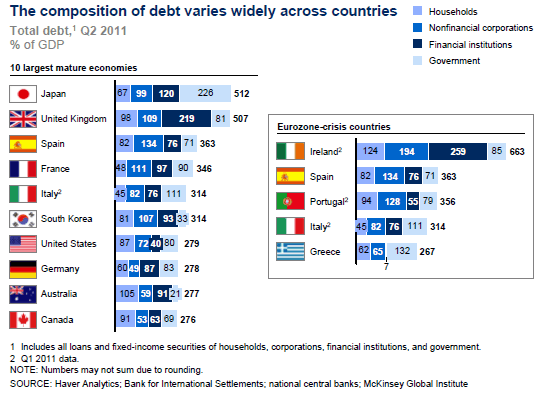
Yet, despite the debt overload, the Central Government and the Bank of England have kick-started growth by encouraging home buyers to further leverage-up into housing via £130 billion of off-balance sheet government mortgage guarantees (the “Help-to-Buy” scheme), as well as subsiding credit via the Funding-for-Lending scheme – akin to overcoming a hangover by drinking more alcohol. At the same time, the Government has failed to liberalise the housing market to allow an increase in the supply of homes that the UK so desperately needs.
While these interventions in the credit markets have been somewhat effective in artificially bolstering the number of housing transactions and pushing up prices, in turn making homeowners feel happier by boosting their wealth and encouraging them to remortgage and spend, they have nationalised risk and helped to worsen imbalances across the UK economy, potentionally setting it up for bigger problems down the road.
In short, none of the economy’s structural flaws have been fixed, and the UK still faces a major crisis in the event that interest rates eventually rise.
unconventionaleconomist@hotmail.com
